Getting the Heat Right in Automated Pizza Ovens
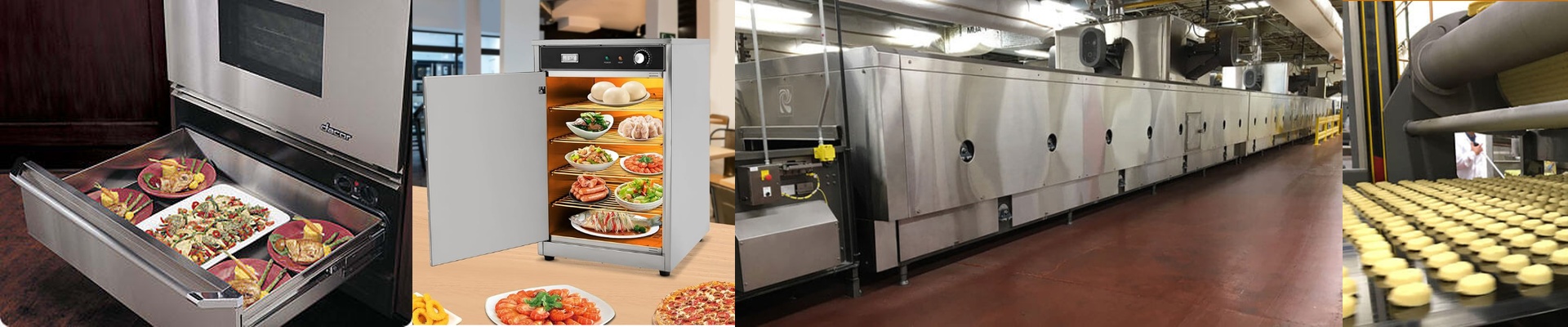
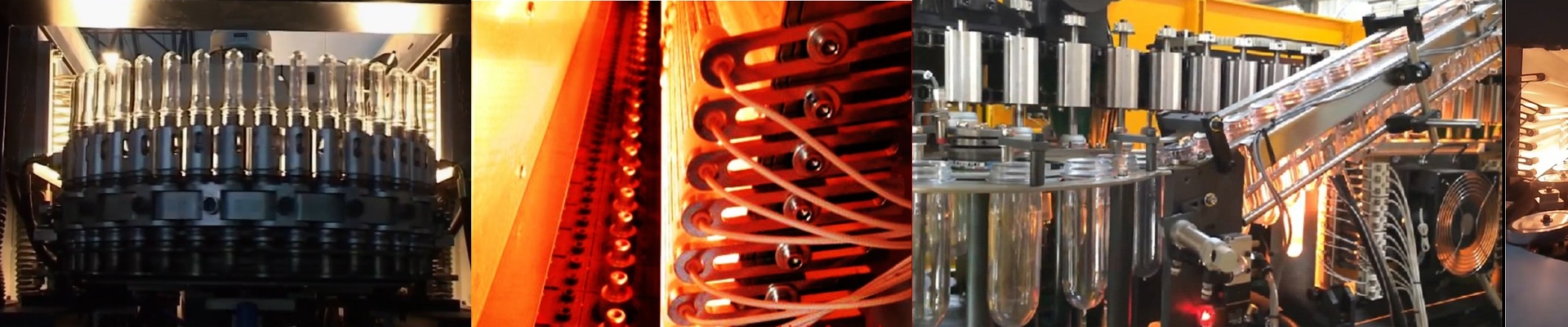
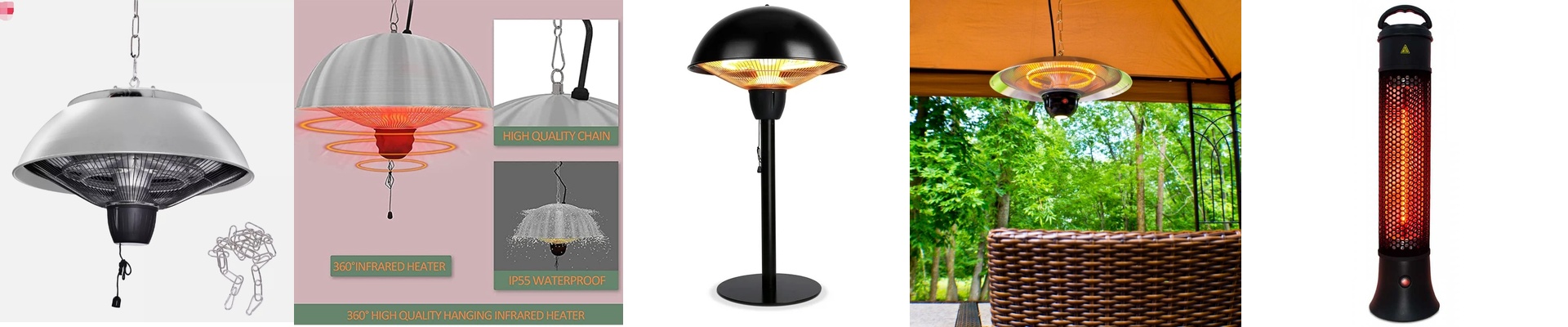
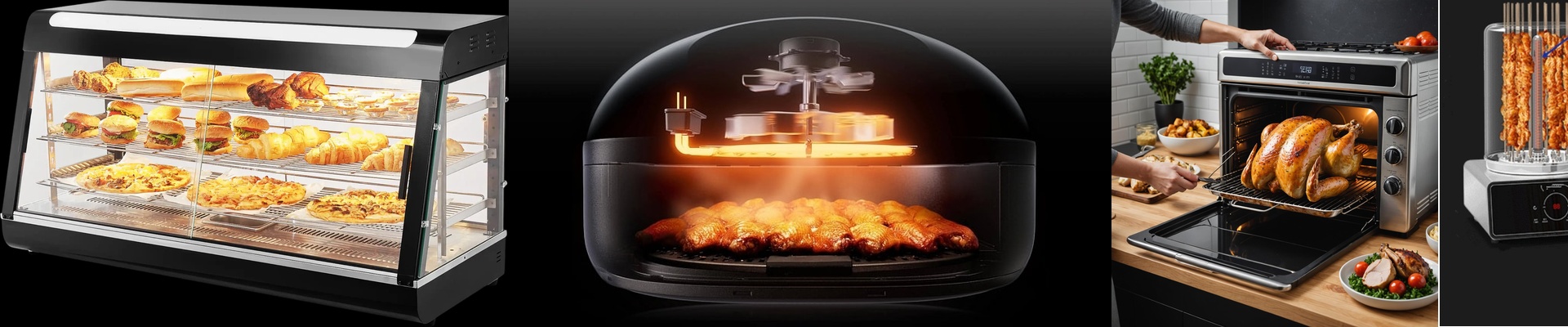
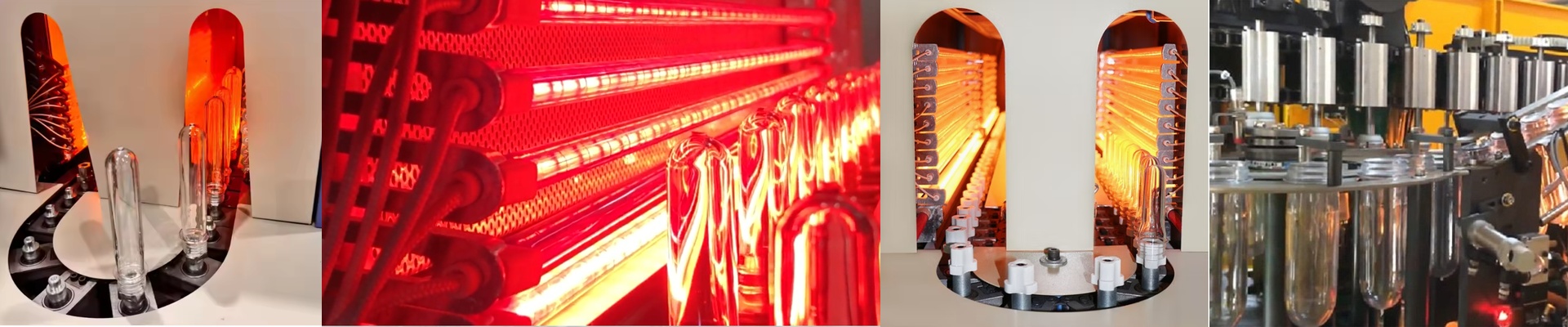
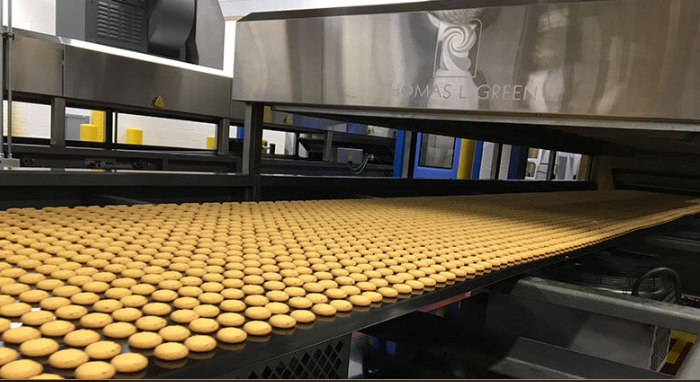
When you’re running a commercial kitchen, you can’t afford to wait around for an oven to “warm up.” You need heat, and you need it right now. That’s why we use stainless steel housing and shortwave halogen bulbs. Instead of heating up the air and hoping it reaches the pizza—which is how old-school convection works—these infrared lamps shoot energy directly into the food. It’s fast. Really fast.
Why Halogen?
The secret is in how quickly these bulbs react. They ramp up in a flash and, more importantly, they cool down just as quickly. If you’re running a high-speed conveyor, you don’t want the oven to keep pumping out heat after the power is cut, or you’ll end up with burnt crusts. To keep things steady, we wire the lamps into a PID controller using Solid State Relays (SSRs). It basically flickers the power on and off so quickly that your temperature stays locked in, usually within a tiny 2°C window.
The Nitty-Gritty on Hardware
The stainless steel chassis does more than just look clean. It handles the structural weight of the quartz envelopes and helps manage the heat. We go with high-wattage bulbs because you need that raw intensity to sear the crust perfectly without drying out your toppings. But here’s a tip: make sure your voltage and wattage actually match your power supply. If they don’t, you’re just going to blow your filaments. Also, keep an eye on your vents. High-wattage bulbs put a lot of stress on the chassis, so you need enough airflow to stop the housing from overheating.
Making it Your Own
Precision is all about the feedback loop. We stick K-type thermocouples or infrared pyrometers right in the heating zone to see exactly what’s happening. That sensor talks to the PLC, which then tells the lamps to dial it back or crank it up. The best part? You can actually customize the lamp length and wattage to create different “zones.” For example, you can set the front of the oven to a high-heat blast to lock in that crust, and then let the back of the oven gently finish everything off. It makes it way easier to switch between a thin crust and a deep dish without having to rebuild the whole system.