Fixing Those Cold Edges in Your Deck Oven
Ever notice how the loaves in the middle of your deck come out perfect, but the ones near the edges look a bit pale? It’s frustrating. You’ve got a massive oven, but you can’t use every inch of it because the heat just leaks out of the sides faster than the oven can keep up. It leaves you with inconsistent crusts and a guessing game on bake times. Not ideal.
Why standard heat isn’t cutting it
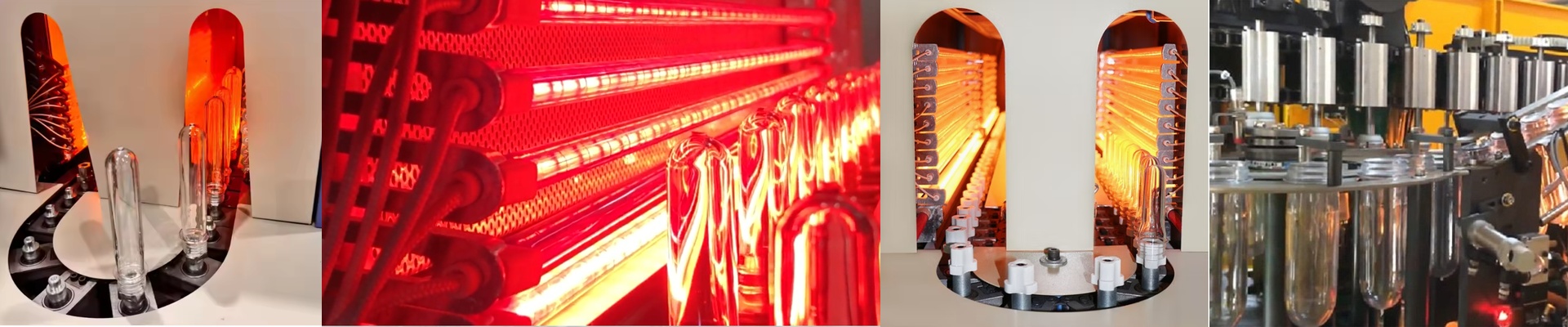
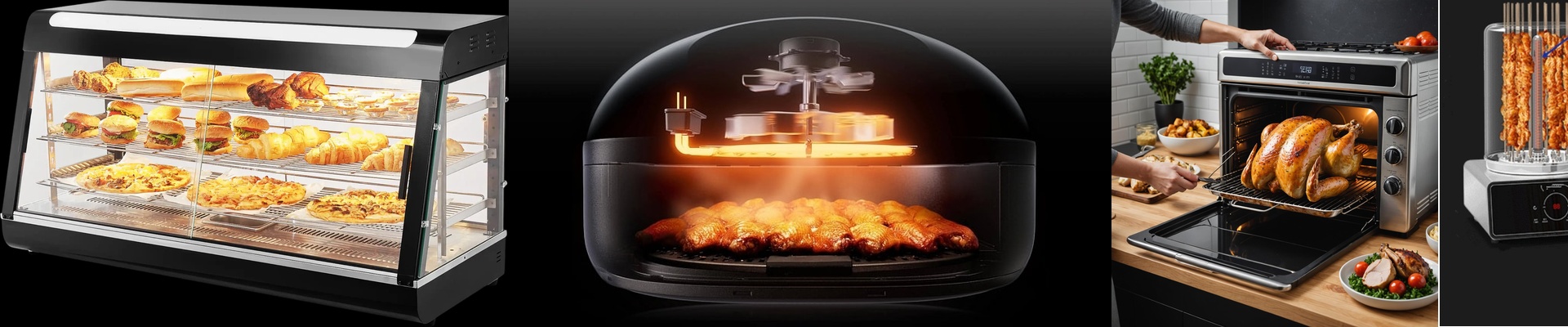
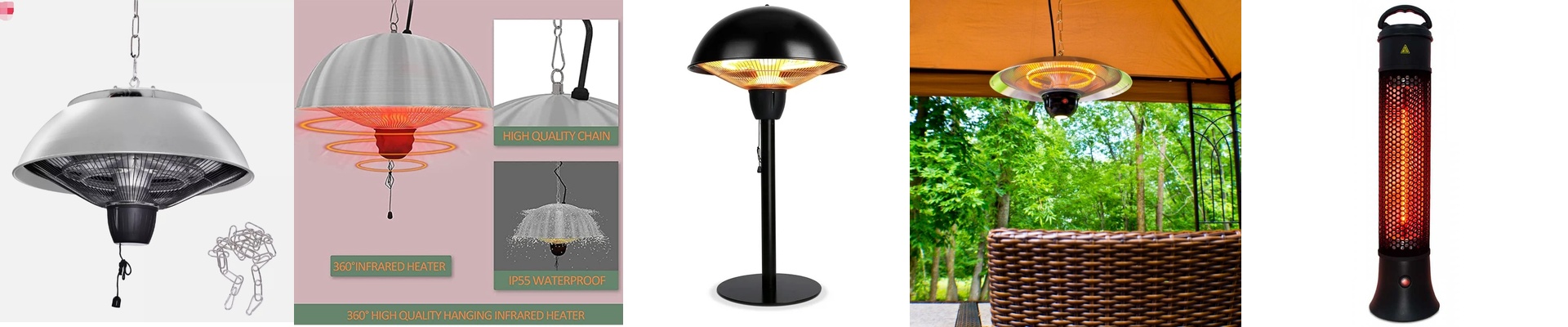
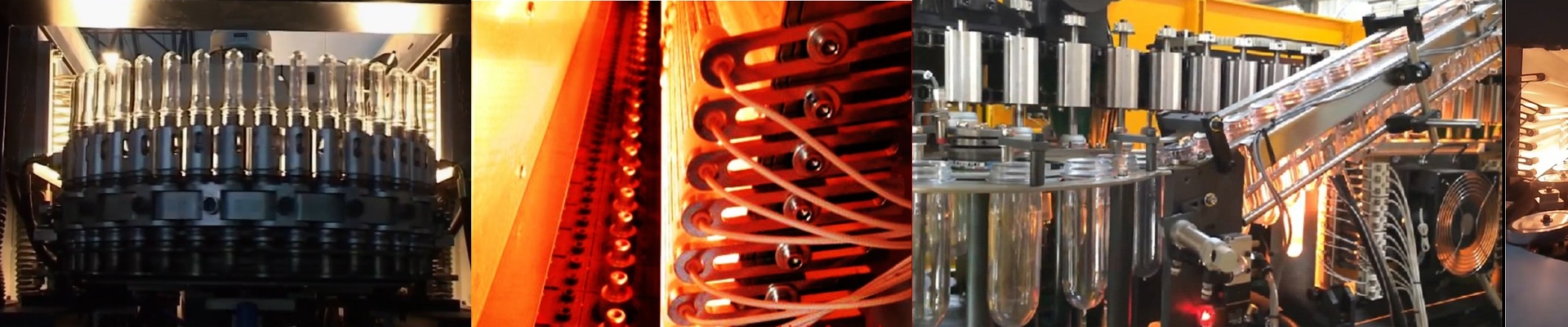
Most ovens rely on the air getting hot or the stone soaking up heat. That’s fine for the center, but it’s too slow for the edges. By the time the air warms up, the heat has already escaped. That’s where short-wave infrared (IR) comes in. Think of it like the sun hitting your skin on a cold day. It doesn’t wait for the air to warm up; it just hits you. Our IR lamps do the same thing—they beam energy straight into the dough and the stone. By lining the perimeter of your deck with these lamps, you’re basically building a “wall of heat.” It stops those edges from dipping in temperature, so the whole deck bakes the same.
The nitty-gritty stuff
We don’t do one-size-fits-all here. Depending on how big your oven is, we tweak the length and wattage of the tubes. We want the heat to match the weight of your stone perfectly. The lamps themselves use quartz and halogen gas. In plain English? They can get much hotter without burning out. They last longer, and we use standard industrial connectors, so you can just swap them into your current setup without a headache.
A quick heads-up on the setup
Now, this isn’t a “plug it in and forget it” kind of deal. Because these lamps heat up almost instantly, they’re powerful. If you just flip a switch, you’ll probably scorch your crusts. You need a decent PID controller and a fast-acting relay (or an SCR) to keep things steady. **Pro tip:**Make sure your sensor is sitting close to the stone. If it’s too far away, the controller won’t know the stone is overheating until it’s too late. Get the sensor placement right, and you’re golden.