Getting Your Sidel Matrix Heat Just Right
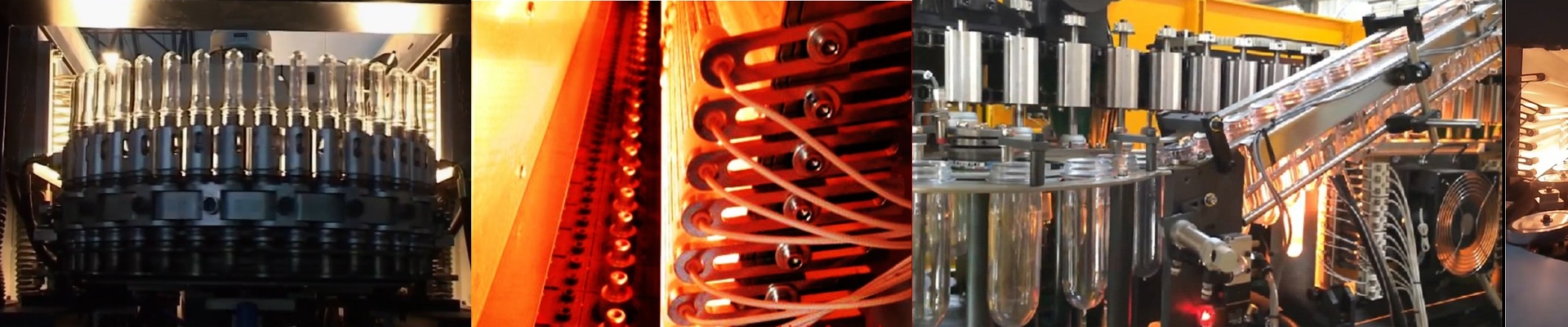
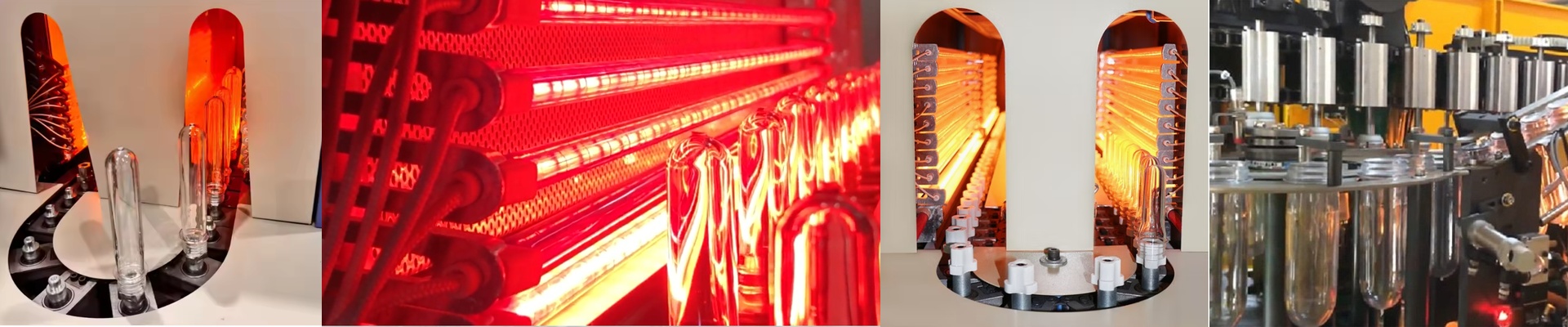
Here is the problem with swapping out OEM bulbs in a Sidel Matrix machine: the temperature curve usually shifts. If that infrared output is even slightly off, you end up with uneven preheating. Then you’re staring at PET bottles with wonky wall thickness, and suddenly you’ve got a headache on your hands. We fix this by making sure our lamps mirror the original electrical and thermal footprint. Exactly. It’s more than just volts and watts If you only match the voltage and wattage, you’re missing the big picture. We dig into the spectral distribution of the shortwave radiation. By tweaking the filament mix and the thickness of the quartz envelope, we make sure the heat hits the PET preform at the same speed as the factory bulbs. The best part? You don’t have to waste your entire afternoon recalibrating oven zones or messing with machine speeds just because you changed a lamp. You just plug them in and go. No forcing, no fighting These are true drop-in replacements. We kept the dimensions and connectors identical so they slide right into the sockets. That matters. A loose connection leads to arcing, and arcing kills your bulbs way too early. To handle the stress of rapid heating and cooling, we use high-purity quartz that can take the hit without cracking. A few things to keep in mind To keep those cycle times fast, you need high-density heat. But there’s a trade-off. Running these at peak wattage puts more pressure on your oven’s cooling blowers. If your cooling system is clogged or just tired, that ambient heat builds up and eats away at the lamp ends. And please, keep your reflectors clean. Seriously. A thin layer of dust on that mirror can kill your efficiency by 15%. That forces the lamps to run hotter to compensate, which just wears them out faster. We build these for the people actually working on the shop floor. You get the same heat curve as the factory bulbs, but you keep more of your budget.