Making Your Outdoor Heaters Actually Smart
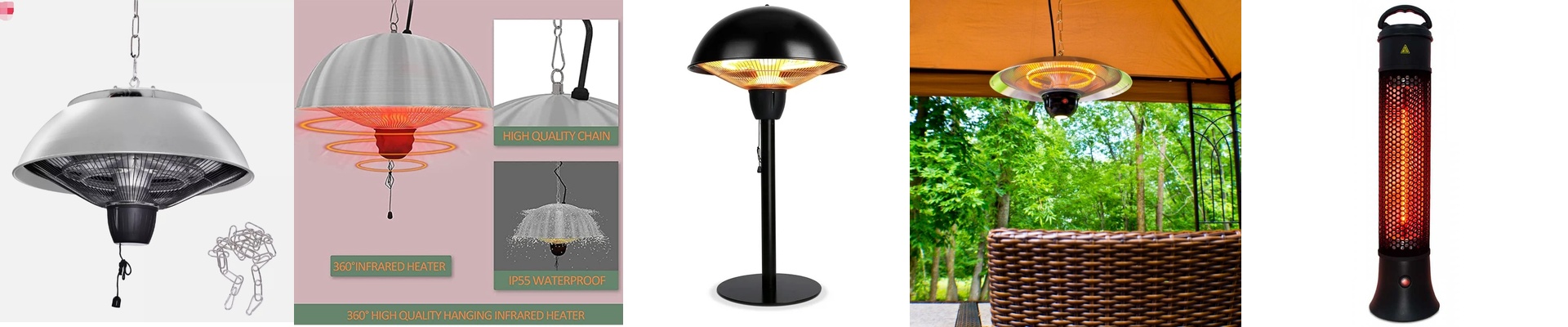
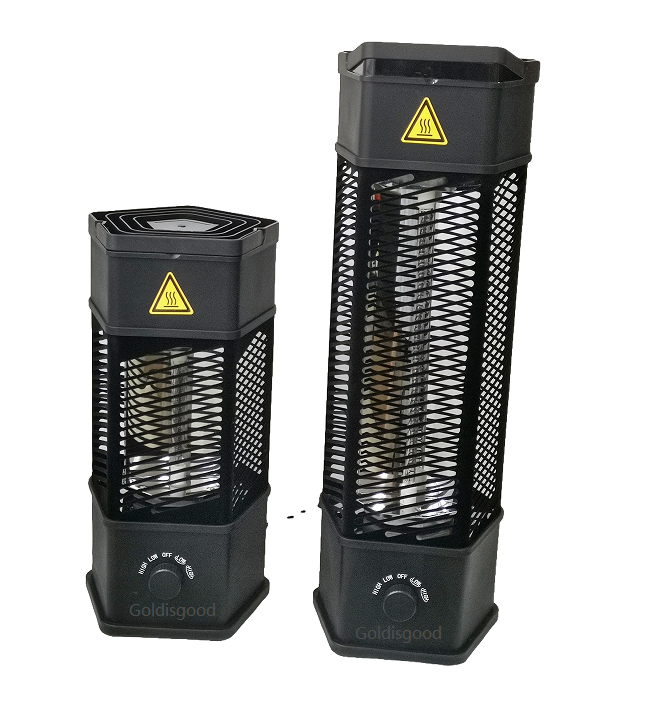
Let’s talk about those heavy-duty IP65 infrared heaters. You know the ones—the rugged beasts designed to survive rain, dust, and basically any weather you throw at them without blowing a fuse. They’re great, but flipping a manual switch every time you want to step onto the patio is a pain. The real magic happens when you hook these things up to your smart home. Imagine waking up on a freezing Tuesday, tapping your phone, and having the patio toasted and ready before you’ve even finished your first cup of coffee.
The Hardware Part (Don’t Fry Your Gear)
Here is the thing: you can’t just plug these into a cheap smart plug from the drugstore. These heaters pull a massive amount of power. If you try that, you’re going to end up with a melted piece of plastic and a very bad day. Instead, we use heavy-duty smart relays or contactors. Think of the relay as the middleman. It takes a tiny, low-voltage signal from your hub—whether you’re using Zigbee, Matter, or Wi-Fi—and uses it to flip the switch on the high-voltage line that actually powers the lamps.
That “Instant” Warmth
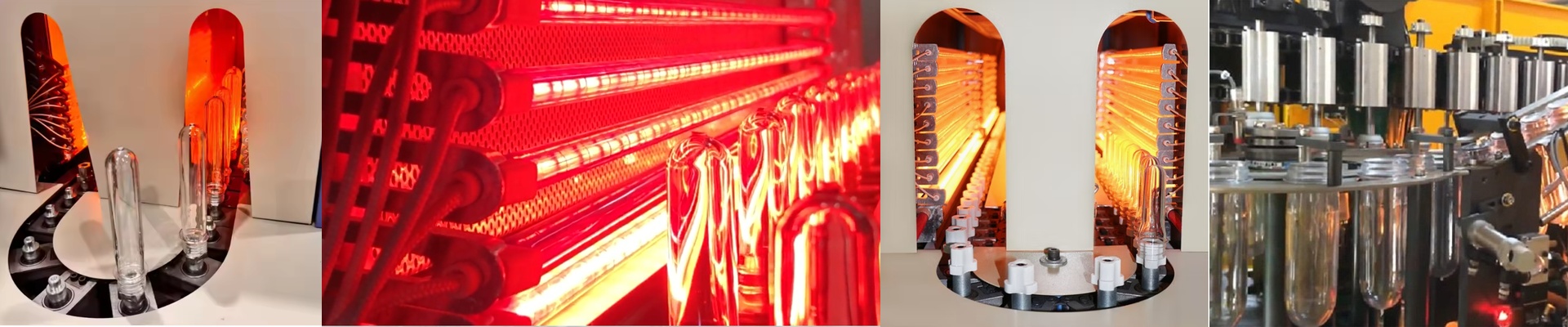
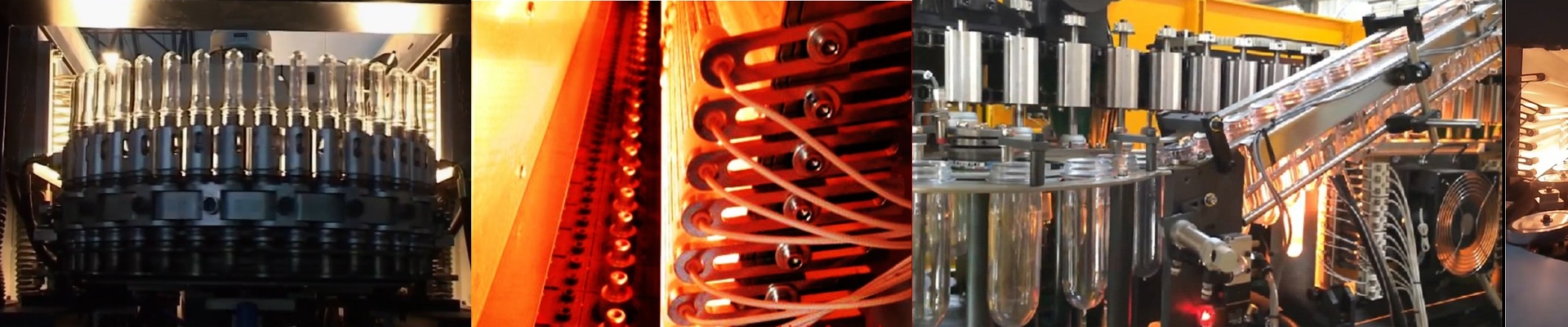
The best part about infrared is how it feels. It doesn’t waste time trying to warm up the cold air around you. Instead, it beams heat directly onto you and your furniture. It’s fast. Really fast. The moment you hit “on” in your app, those tungsten or halogen tubes glow and you feel the heat almost instantly. To make it even easier, I like to toss in a few outdoor temperature sensors. I set mine so that if the air drops below 5°C, the heaters just kick in on their own. No thinking required.
A Couple of Things to Watch Out For
It’s not all plug-and-play. You have to be careful with your power load. If you put too many of these heaters on one circuit, you’ll be tripping your breaker every time you turn them on. Make sure your wiring is thick enough to handle the peak surge. And one last tip: just because the heater is waterproof (IP65) doesn’t mean your smart controller is. Those relays hate moisture. Keep them tucked away in a proper NEMA-rated enclosure to keep them bone-dry, or you’ll be replacing them by next winter.