How to Get Real Heat in Damp Spaces (Without the Wait)
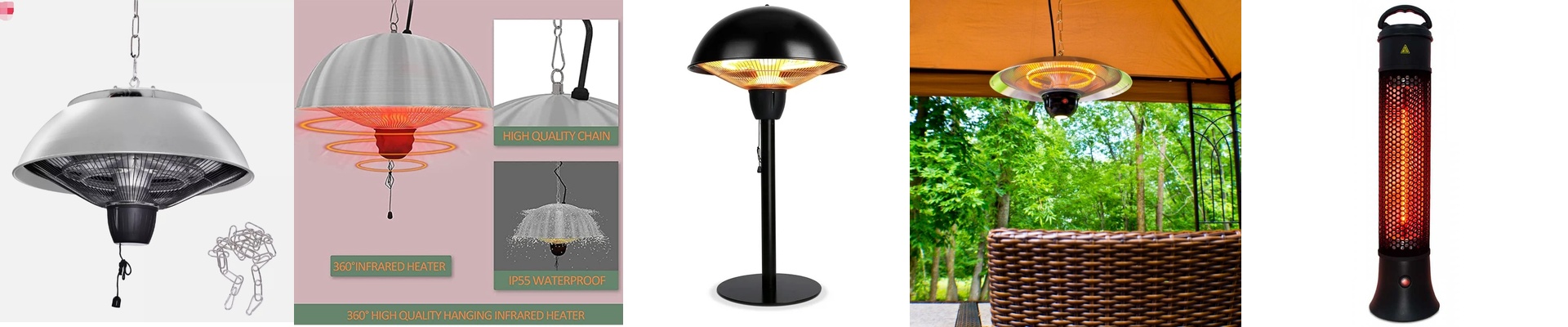
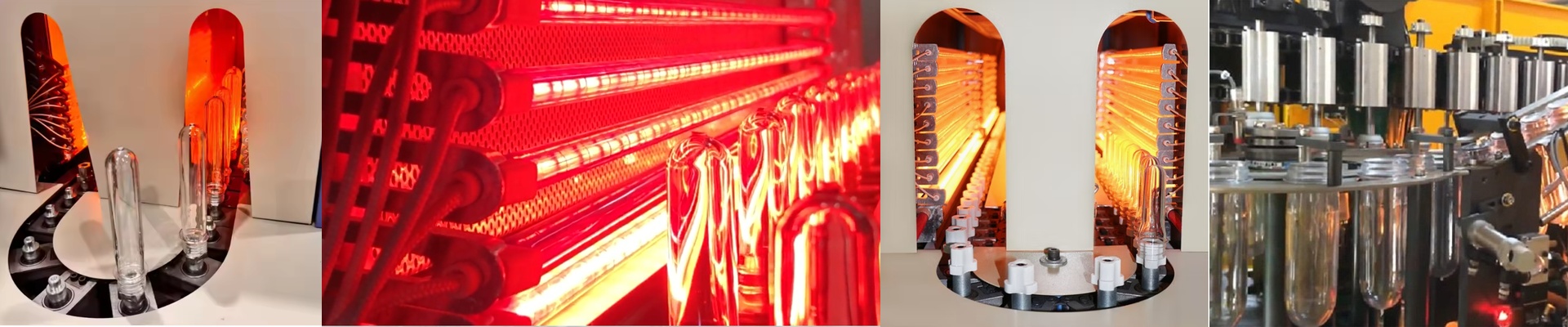
Ever tried to warm up a changing room or a patio using a standard heater? It’s a nightmare. You’re basically trying to heat the air, and in a drafty or open space, that warm air just floats away. You’re left shivering while the heater works overtime. That’s why we use shortwave infrared. Instead of fighting the air, it goes straight for the target. It hits you. **It feels like stepping into a patch of sunlight on a cold day.**You don’t wait for the room to warm up; you just feel the heat the second you flip the switch. It’s instant, and for someone standing in a locker room in a towel, that’s the only thing that matters. But there’s a catch: moisture. Putting high-voltage electronics in a steamy room is a recipe for disaster. Nobody wants a short circuit when things get damp. To stop that from happening, we seal everything tight. We’re talking tempered glass and heavy-duty gaskets that keep the humidity out of the guts of the machine. If it’s rated IPX4 or higher, it can handle the splashes and the steam without frying itself. Now, if you’re planning to install these, there are two things you need to watch out for. First, the power. These units pull a lot of juice. If you’re putting a whole row of them in a commercial gym, make sure your breakers can actually handle the load. You don’t want the power cutting out right during the morning rush because you overloaded the circuit. Then, there’s the placement. Since the heat travels in a straight line, where you hang the lamp is everything. Too low? You’ll bake the people underneath it. Too high? The warmth loses its punch before it hits the floor. It takes a little bit of math—looking at the beam angle of the lamp—to find that sweet spot where the heat spreads out just right. Get that right, and your guests stay warm. Get it wrong, and you’ve just built a very expensive toaster.