
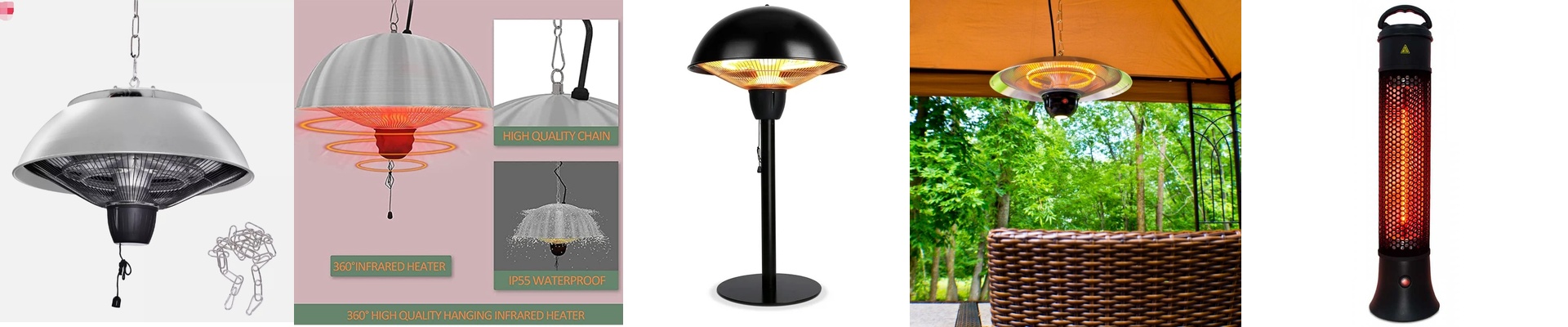


Winter doesn’t just make your deck cold—it makes it unusable. The issue isn’t the air temperature alone; it’s that your body shuts down circulation to the extremities to protect your core. Hands and feet go numb first because blood flow to the skin drops off. A wall-mounted outdoor heater flips that script. It uses infrared radiant heat to warm people and surfaces directly, instead of trying to heat the air around them.
What matters, under the hood
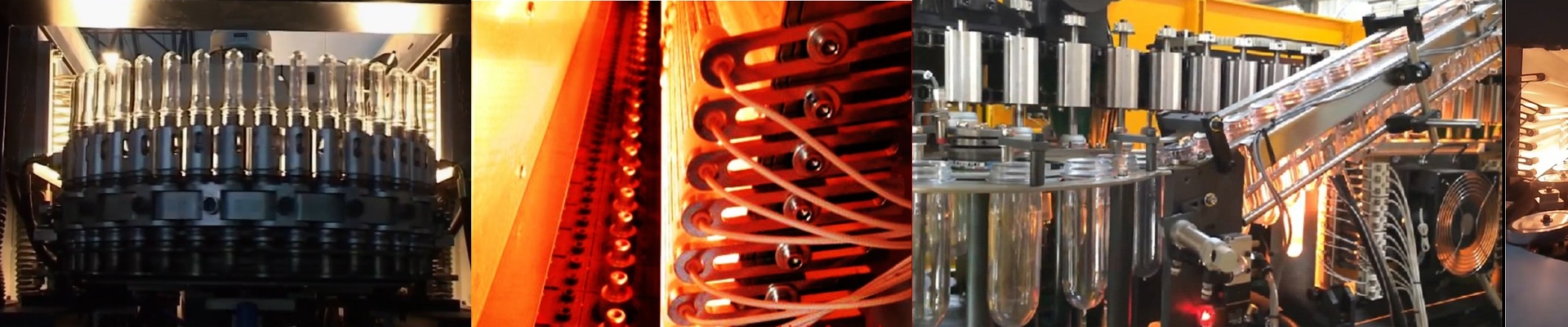
We build these with either an infrared quartz tube or a carbon fiber element. The radiant warmth travels outward at the speed of light, so you feel comfort the moment you step into the beam. Compared to air-based patio heaters, you get heat where you need it, when you need it—no waiting for a big volume of air to turn warm. For residential setups, output is typically 1500W to 2000W, and the unit is designed for hardwired, fixed installation. That means clean lines, no floor footprint, and steady performance. The fixture is engineered for outdoor use with protective housing and an IP rating that holds up in exposed areas. A built-in thermostat keeps comfort level, avoiding the wide swings you get when the heat cycles hard on and off.
Why this approach actually works
Cold hands and feet aren’t just uncomfortable—they’re your body working overtime to stay warm. Infrared warmth helps hands, feet, and face feel more comfortable without overheating the surrounding air. That gentle, penetrating heat helps muscles relax and supports better microcirculation, which makes winter evenings feel less like a battle. Because the heat is directional, you can aim it where people actually sit and pause—seating areas, walkways, the spot by the door. You’re not heating the whole yard; you’re making the right spots usable again.
The details that make the difference
A wall-mounted outdoor heater does its best work when it’s mounted on a solid exterior wall, with clearances respected and distance from anything flammable. It needs a dedicated electrical circuit, and in most cases, professional hardwiring to keep everything code-compliant and safe. The heater itself is compact, but the wiring is not a DIY triviality—if you’re not comfortable with line-voltage work, plan for an electrician. And remember: radiant heat warms what it hits directly. When the wind picks up, you’ll still want to layer up, even though your core and extremities will feel far less chilled.