Introduction
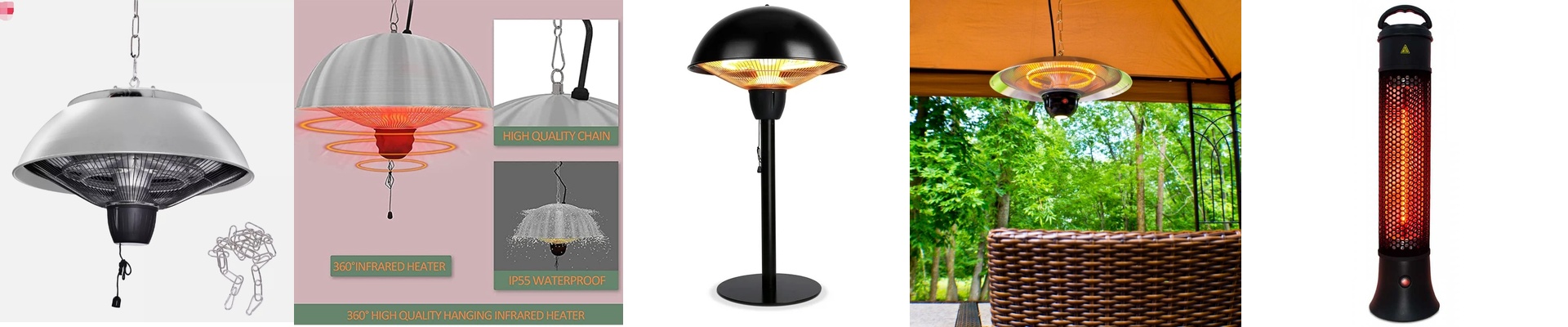
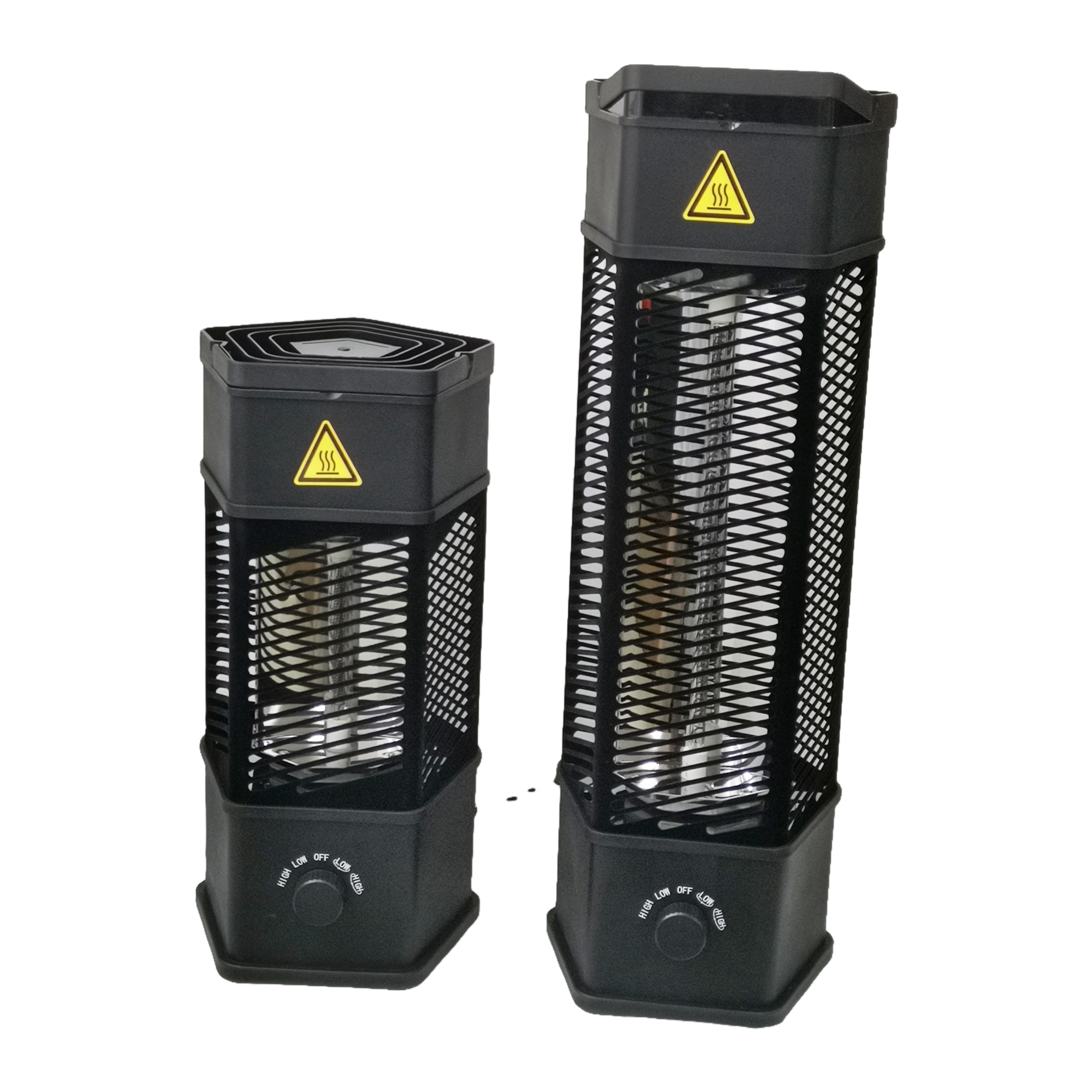
We didn’t build these infrared wall heaters just to make a room feel warmer. The real goal? To give you targeted heat that actively improves the space around you. Our halogen infrared lamp zeroes in on the two things that make bathrooms a mold breeding ground: moisture and cold surfaces. It doesn’t just heat the air—it combines warmth with a spectrum that helps keep biological contaminants from taking hold.
Power, Voltage, and Output
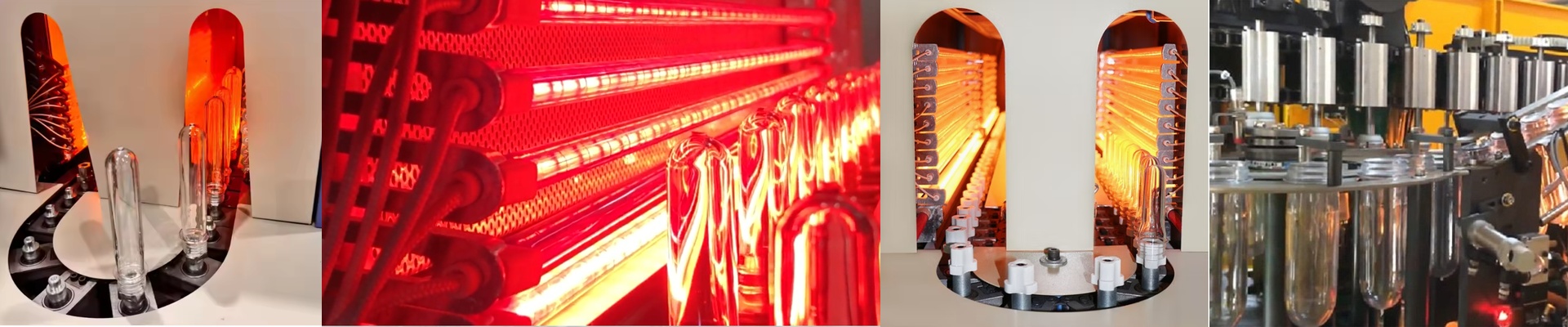
When it comes to infrared heating, it’s all about packing serious power into a small space. Our units are built to deliver high wattage without taking up room. They run on 220-240V or 400V, which matches up with your facility’s electrical setup. That voltage lets us push a lot of power through a short, tough tube—about 300mm long. So you get big heat without needing a bulky housing. What does that mean for you? Surfaces warm up fast. And when walls, mirrors, and fixtures stay warm, condensation drops way off. Less condensation means mold has a much harder time getting a foothold.
Material and Design
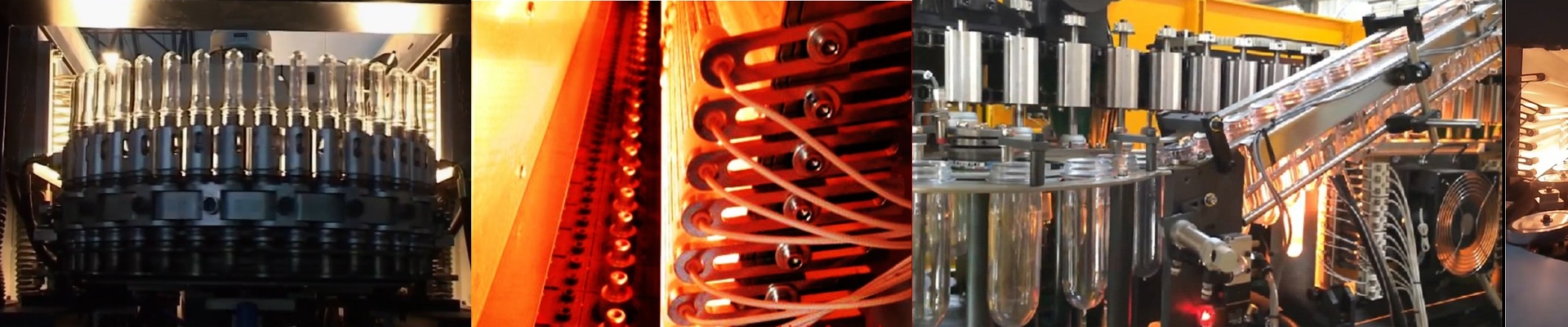
We chose a halogen-filled quartz tube for a reason. It handles sudden temperature changes without breaking, and it keeps output steady over time. The halogen cycle keeps the element clean, so the heat doesn’t fade as the unit ages. The shortwave infrared this design produces doesn’t waste time warming the air. It goes straight to the surfaces, heating them directly. That means faster drying—and that’s a big deal when you’re trying to prevent mold. For installation, we use R7s or SK15 connectors. They’re made for high heat, so replacing the lamp is simple. These connectors take the heat at the ends of the tube, so you don’t have to worry about standard sockets burning out.
Application and Benefits
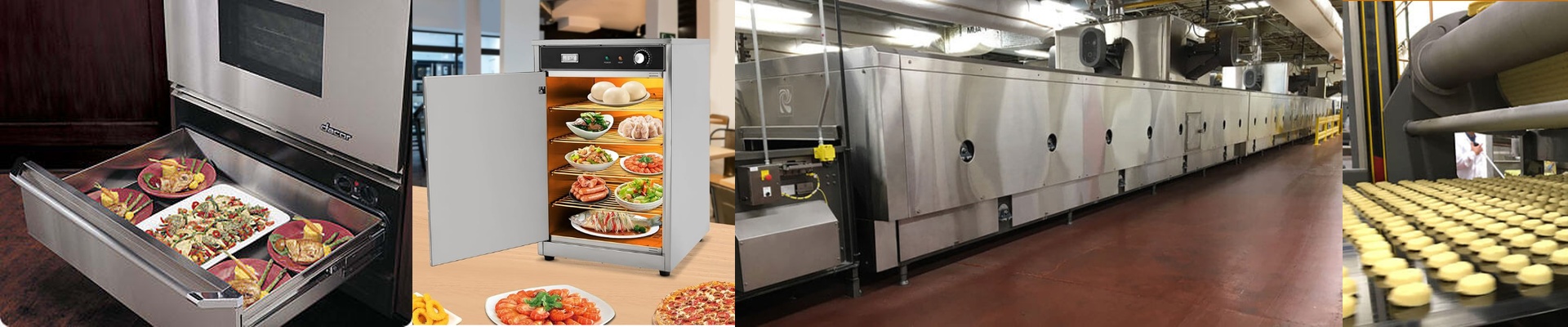
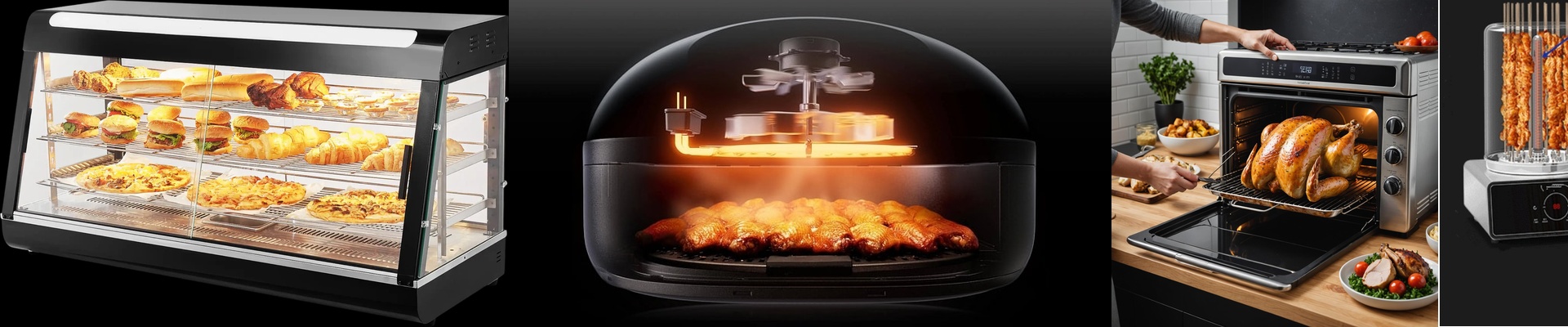
In a bathroom, this heater pulls double duty: it warms the room and helps control the environment. It attacks the core problem—cold surfaces that collect moisture. By heating walls and floors directly, it stops condensation before it starts. That leads to quicker drying and fewer humidity spikes after a shower. It’s not meant to replace your ventilation system. But it does lighten the load on exhaust fans and dehumidifiers, so they don’t have to work as hard.
A Quick Reality Check
Here’s the trade-off: because the heat is so concentrated, the heater needs proper clearance and the right voltage wiring. Think of it as part of the room’s design, not just an afterthought. Treat it like a thermal element that needs its space, and you’ll get the best results.