Stop Losing Money Every Time the Temperature Drops
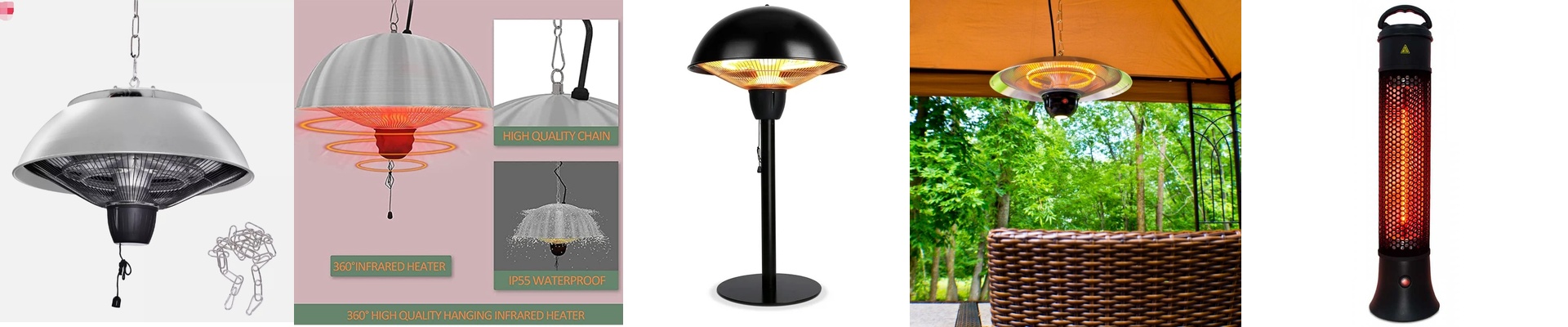
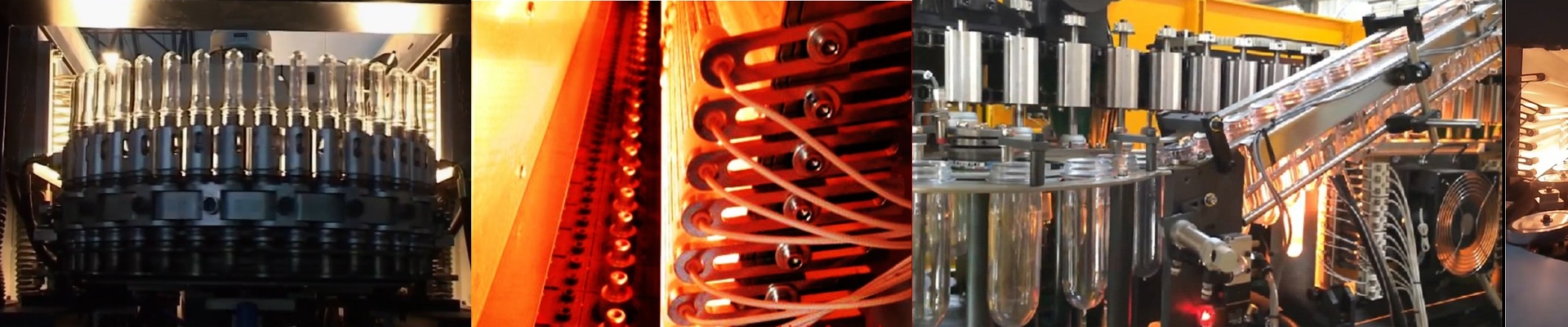
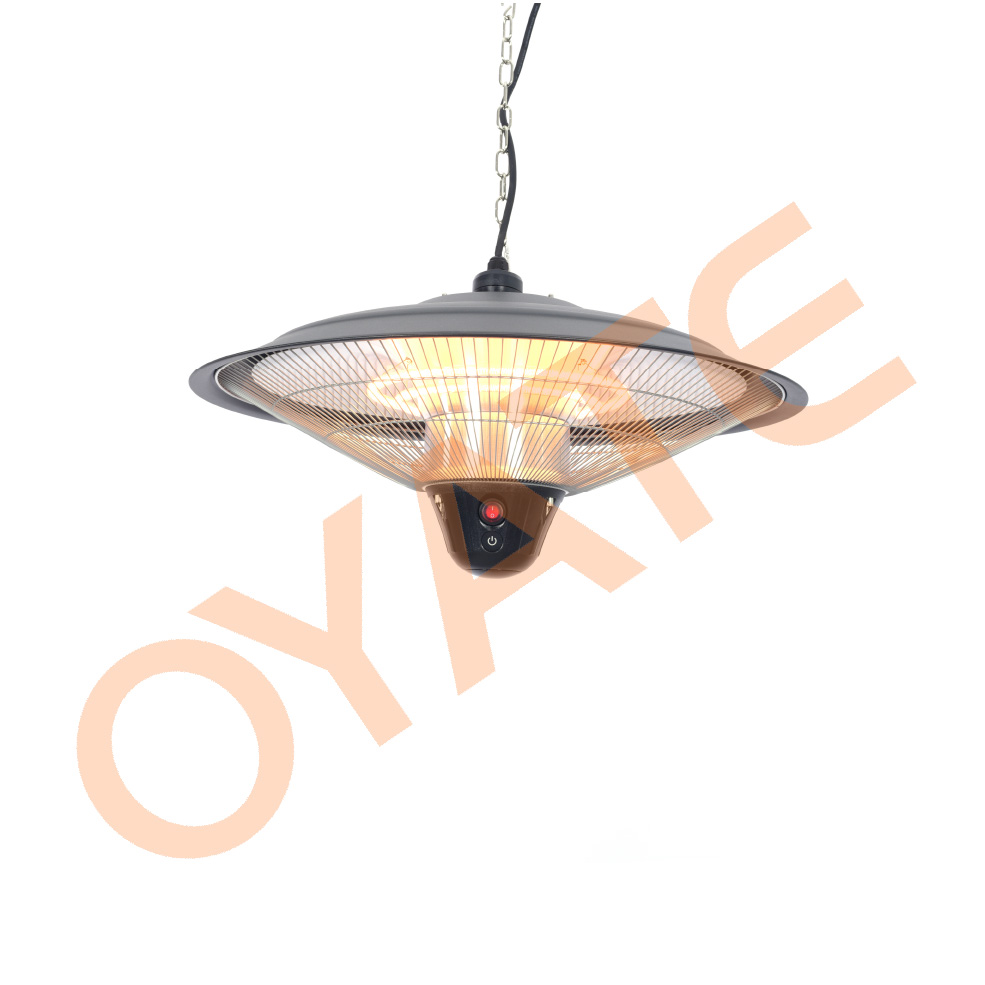
If you run an outdoor patio or a pergola, you already know the winter struggle. You’ve probably tried those standard space heaters, but they’re basically useless the second a breeze kicks up. The wind just carries the heat away before your guests even feel it. It’s frustrating, and it’s costing you money. Here is the secret: you need to stop trying to heat the air. We use shortwave infrared heaters because they work more like the sun. Instead of warming the breeze, they send heat in a straight line directly to the person sitting at the table. It hits them instantly. Even if it’s windy, your guests stay warm because the heat isn’t floating away—it’s landing right on them. And since these are built for the outdoors, they’re waterproof. Rain or heavy dew won’t fry the electronics. They just keep working. Getting the layout right Speed is everything here. Shortwave lamps hit their peak temperature in a few seconds. No waiting around for the area to “warm up.” But you can’t just slap one heater in the middle of the ceiling and call it a day. If you do, you’ll end up with “cold spots” where guests are shivering just two feet away from the heat. We map out a grid to make sure the warmth covers every single chair. The “unsexy” part: The wiring Now, a heads-up on the installation. These heaters pull a lot of power. If your electrical panel is old, you’re going to trip a breaker the moment you turn everything on. You need a heavy-duty backbone. Make sure your cabling can handle the full load of every unit running at once, or you’ll be spending your Friday night resetting switches instead of serving drinks. Why this actually matters for your bottom line It comes down to something simple: comfort. When a guest feels a cozy 5-10°C bump in temperature, they don’t rush to leave. They linger. They order that second glass of wine. They actually stay for dessert and coffee. By turning a “dead zone” into a place people actually want to sit in January, you stop losing seats. The hardware pays for itself pretty quickly just by keeping your tables full during the months you’d usually be empty.