Why Your Bathroom Heater Needs “Explosion-Proof” Quartz
Designing a heater for a bathroom is a bit of a nightmare. You aren’t just dealing with the cold; you’re fighting physics. Imagine a heating element glowing at 600°C. Now imagine a single, stray drop of cold shower water hitting it. That instant temperature crash causes a massive amount of stress. Standard quartz tubes just can’t take it. They snap. And the second they crack, the filament burns out and the whole thing is toast.
The Secret to the Glass
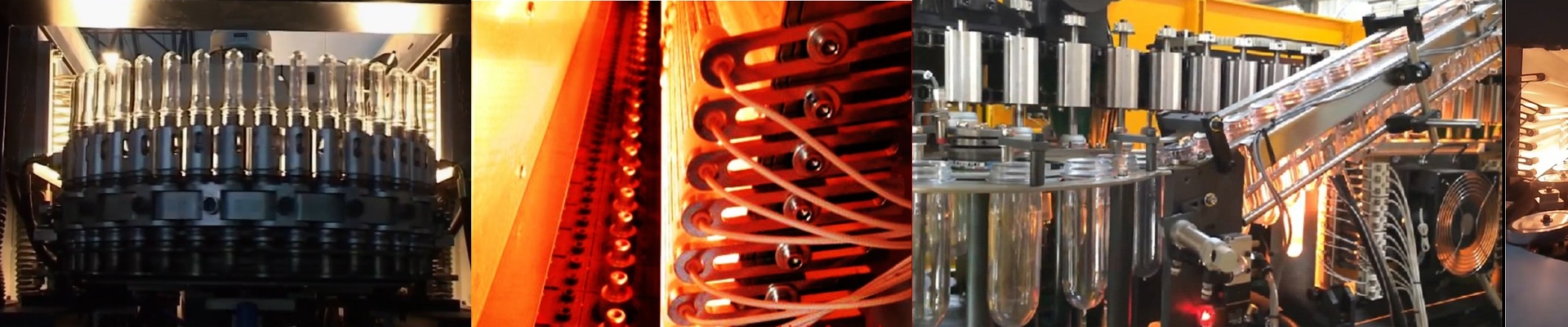
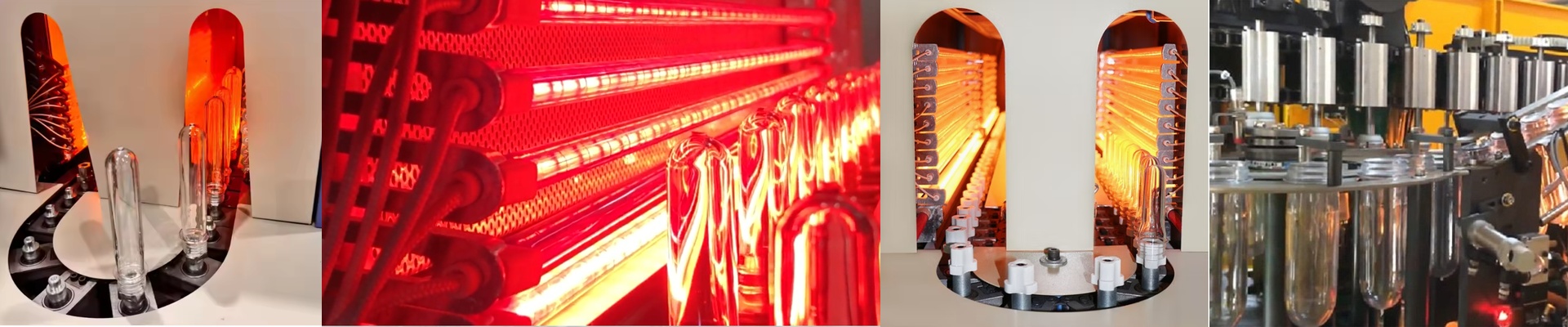
To stop this from happening, we use a specific kind of explosion-proof quartz. It’s built to handle those wild temperature swings without giving up. But here’s the real peace of mind: if the glass does fail, it won’t shatter into a thousand dangerous shards. It’s treated so it doesn’t spray debris everywhere. It’s about keeping the user safe, period. Inside that tube, there’s a tungsten filament swimming in halogen gas. This is the clever part. It lets us crank up the heat way higher without the metal evaporating too fast. You get a ton of warmth coming from a very small space.
Getting the Setup Right
The wiring is where things get tricky. You need a tight seal. We rely on high-temp gaskets and IP-rated boxes to keep steam and direct spray away from the electrical bits. If water touches those connectors? You get arcing. Which is exactly what we don’t want. You also have to make sure your housing can actually handle the wattage. These lamps put out a massive amount of infrared energy. If the reflector is dull or the housing is too cramped, the heat just sits there in the chassis. Before you know it, your plastic mounts are warping or the thermal cutoff is tripping.
A Quick Warning
These tubes are the safest bet for a wet room, but they have one major weakness: your fingerprints. Skin oils are the enemy here. If you touch the quartz while installing it, those oils create “hot spots” on the glass. Those spots are where the tube will eventually fail. **Do yourself a favor:**wipe the tubes down with a bit of alcohol before you flip the switch. It takes ten seconds and saves you from replacing the lamp way too soon.