Why You Can’t Just Use Any Quartz Tube in a Wet Room
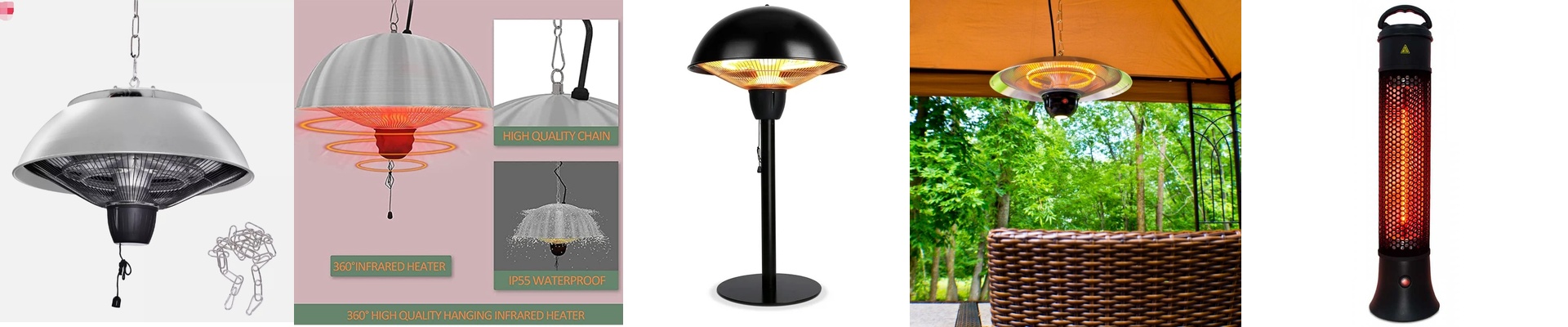
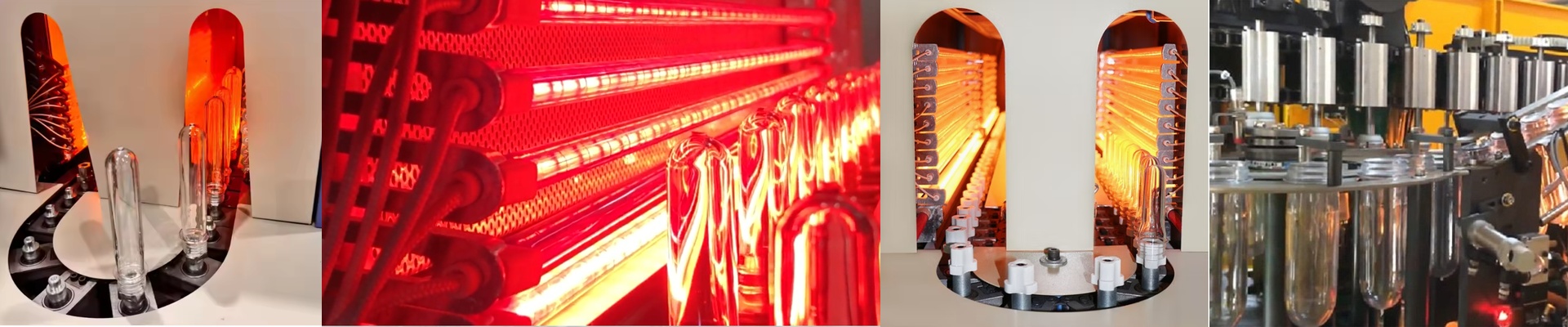
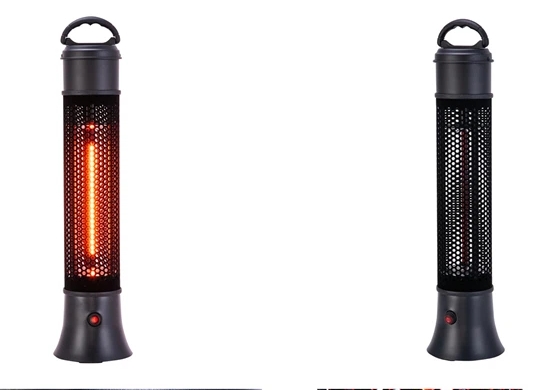
If you’re putting infrared heat in a bathroom or a steamy patio, you’re dealing with more than just a chilly breeze. You’re fighting physics. Here’s the problem: standard quartz tubes hate cold water. If a stray droplet hits a scorching hot tube, it doesn’t just slide off. It causes a “thermal shock.” The glass cracks, the filament burns out instantly, or—even worse—you get a short circuit right where you’re standing barefoot. Not a great feeling. That’s where explosion-proof quartz comes in. We use this specific glass because it can handle the chaos. Imagine a tube glowing at 600°C. Now imagine a cold drop of water hitting it. Regular glass would shatter. But this engineered stuff is built to take those sudden temperature swings without breaking a sweat. It keeps the tungsten filament safe and dry, which keeps you safe. As for the heat itself, these lamps use short-wave infrared. It’s pretty cool—the heat travels in a straight line. Instead of trying to warm up all the air in the room (which takes forever), it hits you directly. It’s instant warmth. But we don’t stop at the glass. We use reinforced seals to make sure the electrical bits stay bone-dry. If those seals leak, your GFCI is going to trip, or your terminals will just fry. One thing to keep in mind: the power. These high-wattage lamps pack a punch. They’re amazing for drying things out fast, but they put a lot of stress on your wiring. You’ve got to make sure your cables can handle the peak current. If the wiring is too thin, the lamp won’t even reach the temperature it’s supposed to, and you’re just wasting electricity. At the end of the day, the only way to make this last is to tuck those tubes into a proper waterproof housing. It’s the difference between a system that works for years and one that blows out after a few months of steam.