


Why we put our bathroom lamps through a “steam torture test”
Bathrooms are honestly a nightmare for heating elements. One minute it’s freezing cold, and the next, the whole room is a thick cloud of steam. Most people think infrared lamps fail because the filament just gives up. But that’s rarely the case. The real killer is the seal. If a tiny bit of moisture sneaks into the quartz envelope and hits that white-hot tungsten?**Pop.**Game over.
The battle against the steam
To stop this from happening, we put our lamps through damp-heat aging tests. Basically, we try to ruin them. We toss the lamps into chambers with crazy high humidity and swing the temperatures back and forth. It’s like simulating years of steamy showers in just a few weeks. We’re looking for those microscopic gaps in the R7s or SK15 connectors. If a seal is off by even a fraction of a millimeter, moisture will find its way in. And if it does, that lamp is going to blow the second you flip the switch in a real bathroom.
It’s not just about the glass
Humidity doesn’t just attack the filament; it goes after the electrical insulation too. We keep a close eye on “leakage current” during these tests. Here’s the thing: salt and moisture can actually create a path for electricity to travel where it shouldn’t. That leads to arcing at the terminals, which is a mess nobody wants. We make sure the insulation stays rock solid, even after 500 hours of being completely saturated.
The price of instant heat
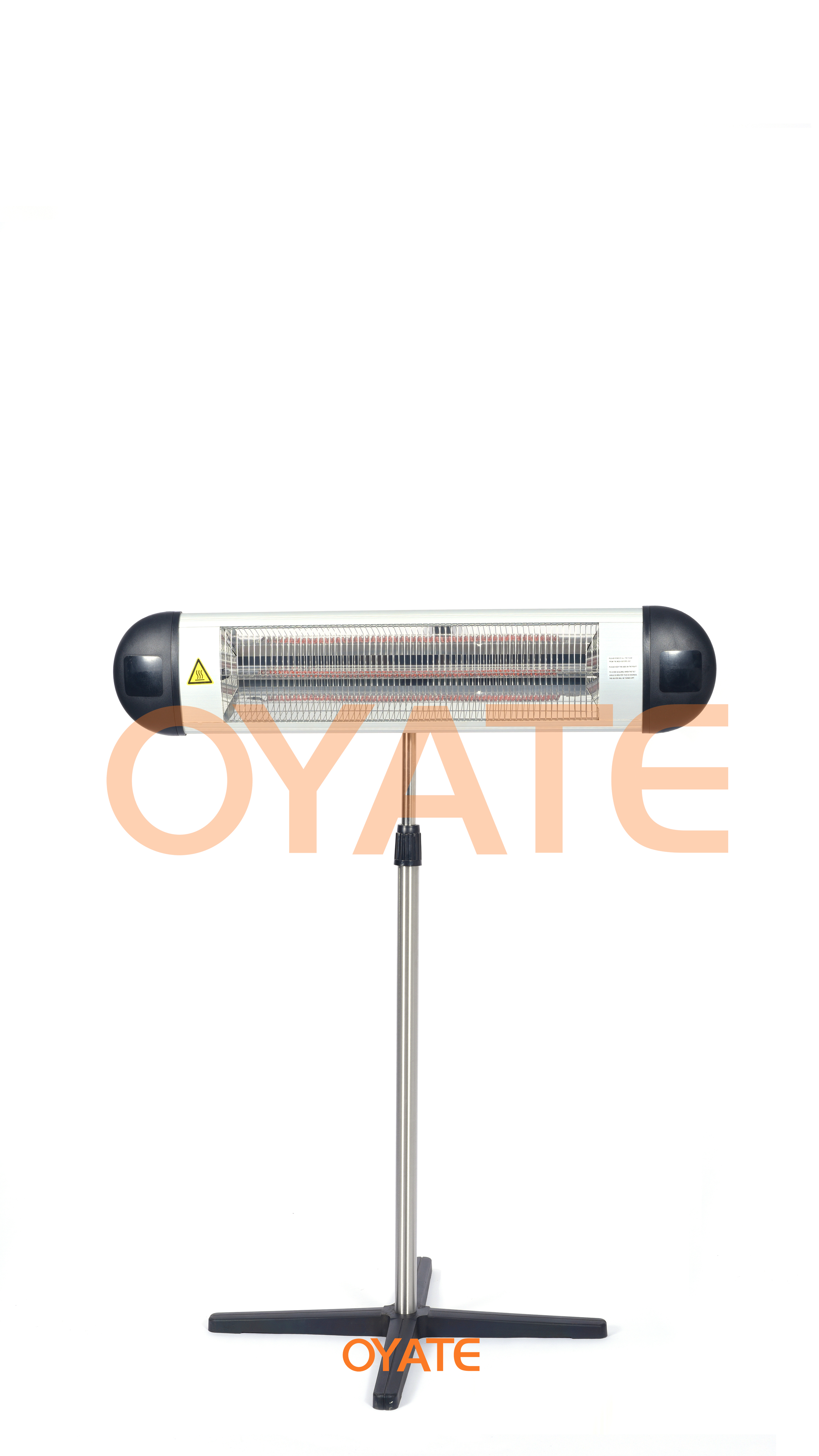
Shortwave infrared lamps are great because they give you heat instantly. It’s why your towels dry so fast. But that high energy density puts a massive amount of stress on the seals where the glass meets the metal. Some companies just put a coating on the lamp and call it “durable.” But a coating only helps with glare. It doesn’t keep the lamp alive. If you pick a high-wattage tube without checking if the seals can actually handle a damp bathroom, you’re going to be dealing with a mountain of returns. We’d rather take a slower production cycle and do it right than ship something that fails the first time a customer takes a hot shower.