
Why we put our bathroom heaters through the “torture test”
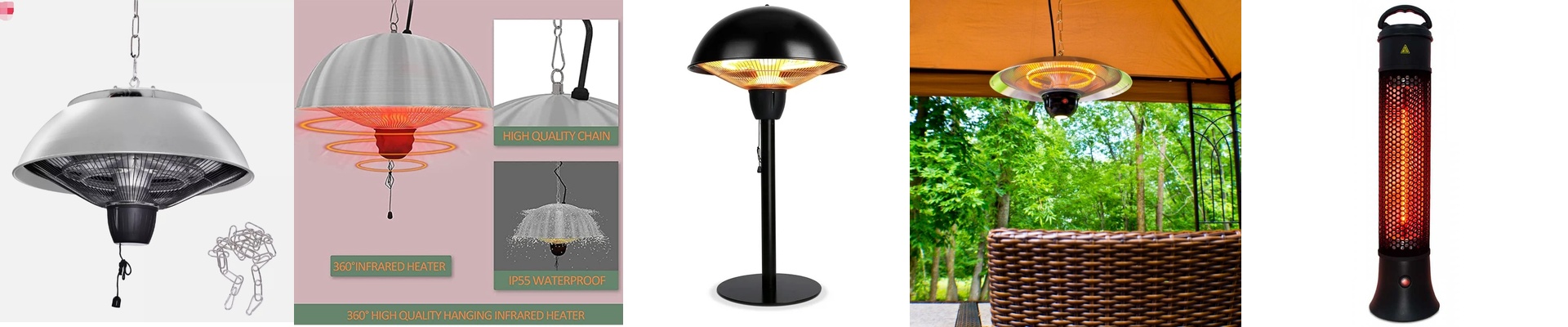
Let’s be honest: bathrooms are absolute nightmares for electronics. You’ve got thick steam, random water splashes, and temperatures that jump from freezing to sauna-hot in five minutes. Now, you’ll see “IPX4” on the spec sheet. That’s the industry way of saying it can handle a splash of water. But a label on a box doesn’t actually keep your house from short-circuiting. That’s why we don’t just trust the rating—we put every single batch through damp-heat aging tests. We basically try to break them so they don’t break on you. The battle against steam Here is the thing about moisture: it finds a way. Steam is sneaky. It crawls into the tiniest gaps, finds the internal wiring or the lamp terminals, and starts eating away at them. That’s how you get oxidation or a dead unit. To stop that, we use aging chambers. We cram these heaters into a high-humidity oven and simulate years of wear and tear in just a few weeks. We push them until something gives. If a gasket shrinks or a seal cracks because of the heat, the unit fails. No excuses. The balancing act It’s a tricky bit of engineering. Infrared lamps get incredibly hot. That heat creates a pressure difference that can actually suck moist air right into the chassis. We use special silicone seals and hydrophobic coatings to block the water out. But there’s a catch. If we make the seal too tight, the internal driver can’t breathe and it’ll overheat. It’s a constant balancing act—keeping the water out without cooking the electronics from the inside. What this actually means for you We aren’t guessing when it comes to how long these things last. By forcing these heaters through wet-heat cycles, we find the breaking point before the product ever leaves the factory. It means when you step into a steaming hot shower, you aren’t worrying about tripping the breaker. We build these to take a beating. Even after the materials have expanded and contracted a thousand times, the seals hold. It’s just about making sure your gear actually works in a room that’s designed to be wet.