
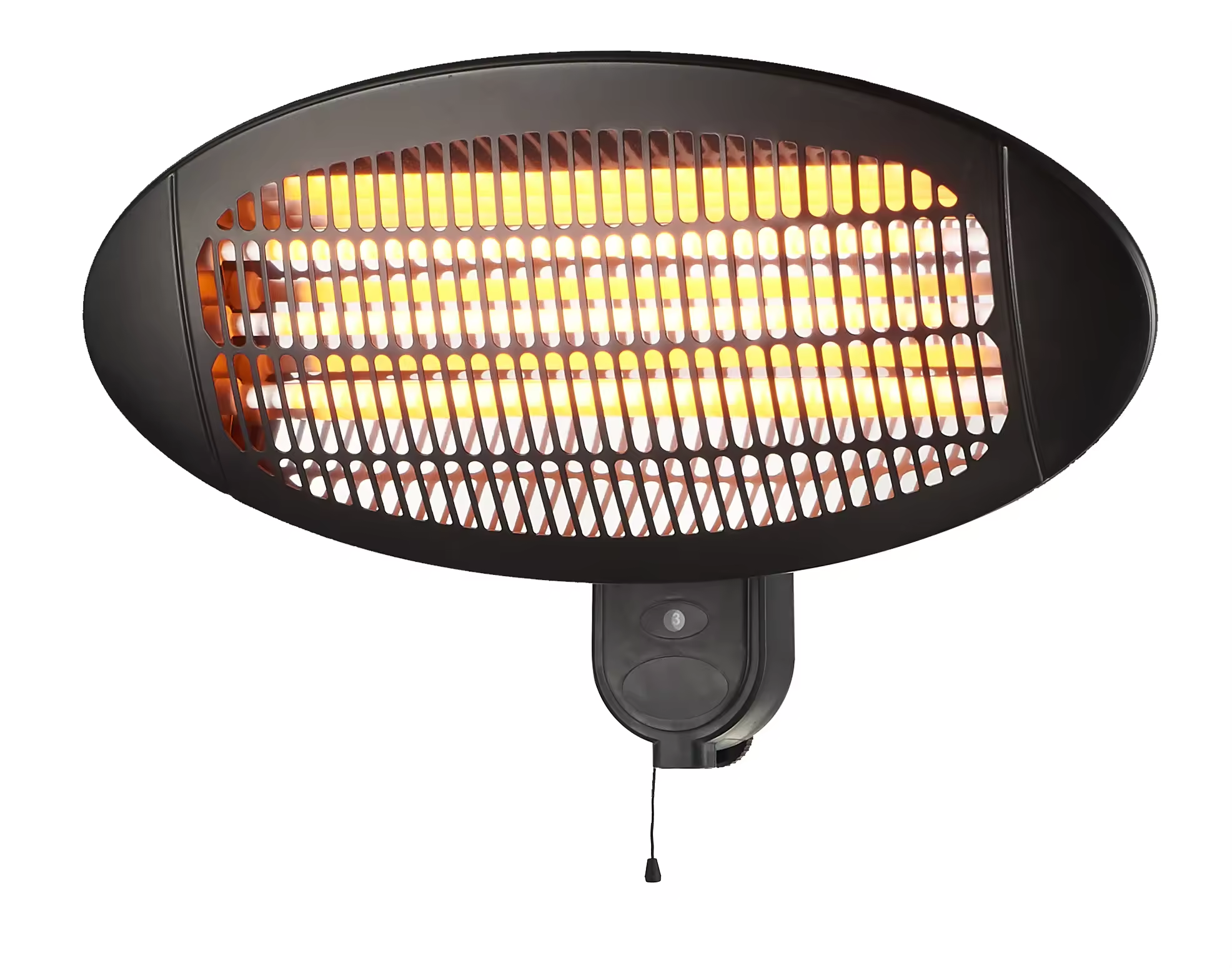
Why Your Infrared Heater Keeps Dying (And How to Actually Fix It)
If you’ve ever had a bathroom heater just… quit on you, you already know the frustration. You flip the switch, nothing happens, and suddenly you’re staring at a dead unit. Here is the real story: the weakest link is almost always where the lead wire hits the quartz tube. It’s a brutal spot. It gets hit with intense heat, then cools down, then gets hit again. Over and over. Most budget heaters use cheap glues to hold that connection together. After a few hundred hours, those glues bake. They get brittle. They crack. And once that seal opens up? It’s game over. Moisture from the shower creeps in, the insulation starts to rot, and eventually, you get a short circuit. The “Cheap Seal” Trap I see this all the time in the field. These low-end seals actually shrink when they get hot. They pull away from the wire, leaving a tiny gap. In a steamy bathroom, that gap basically acts like a vacuum for moisture. The heat then cooks that moisture right into the copper leads, causing them to oxidize. If you aren’t using high-end sealing, the insulation just burns out. Simple as that. Doing it the Right Way A lot of assembly lines cut corners. They skip the high-pressure injection or vacuum-sealing because it takes too long. We do things differently. We use a multi-layer process that actually bonds the insulator to the tube wall. It creates a tight, airtight seal. No oxygen gets in, and the heat stays where it belongs. Plus, we use resins that can handle the heat without softening. This means the wires don’t shift around or rub against the sharp edges of the heater housing, which is another common way these things fail. The Bottom Line on Cost Look, better sealing costs more. It makes the parts more expensive and slows down the factory line. You’re paying a bit extra for a heater that won’t short out in two years. But if you go with the cheap option, you’re basically betting on a higher failure rate. Even with a great seal, you still need a housing that can breathe and move the heat away from those leads. If you don’t want to deal with the headache of field recalls or angry customers, stick with OEM-grade seals. It’s just a smarter way to build.