Getting That Perfect Golden Crust (Without Drying Out Your Bread)
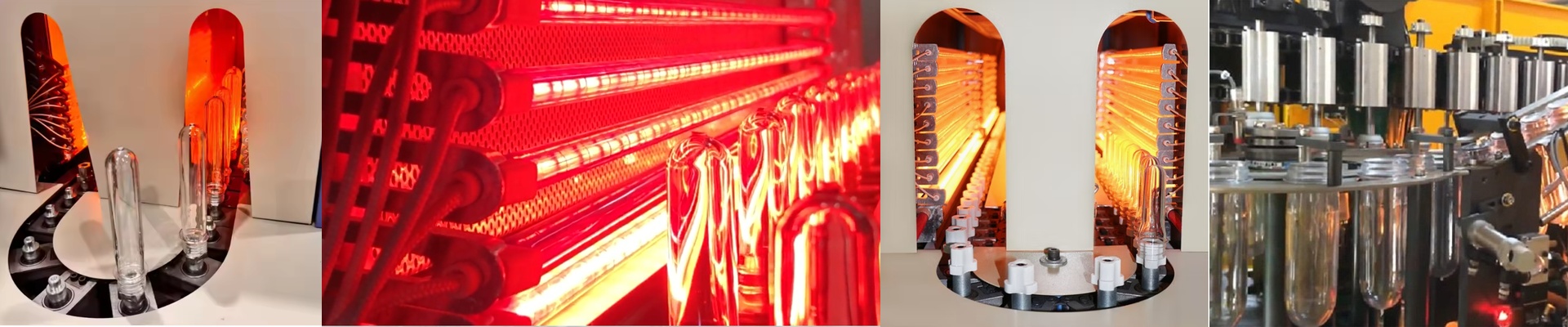
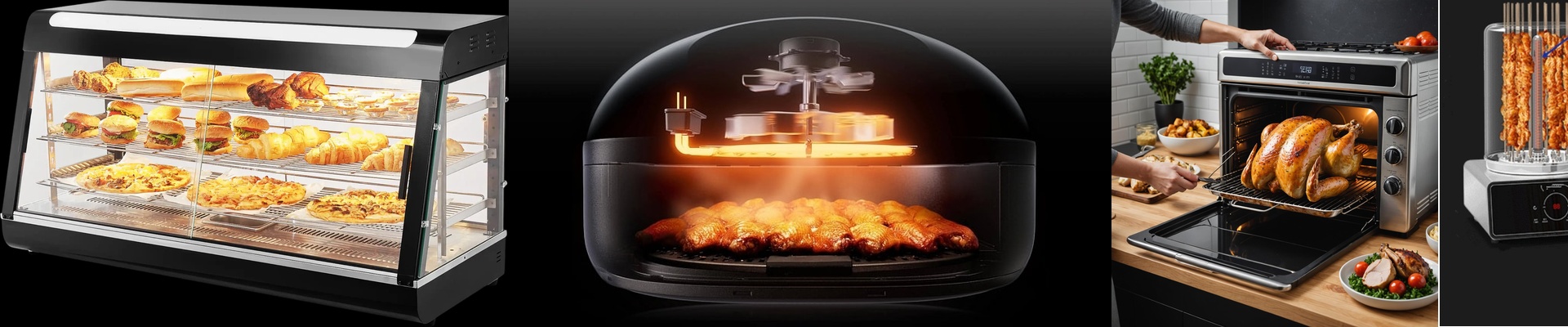
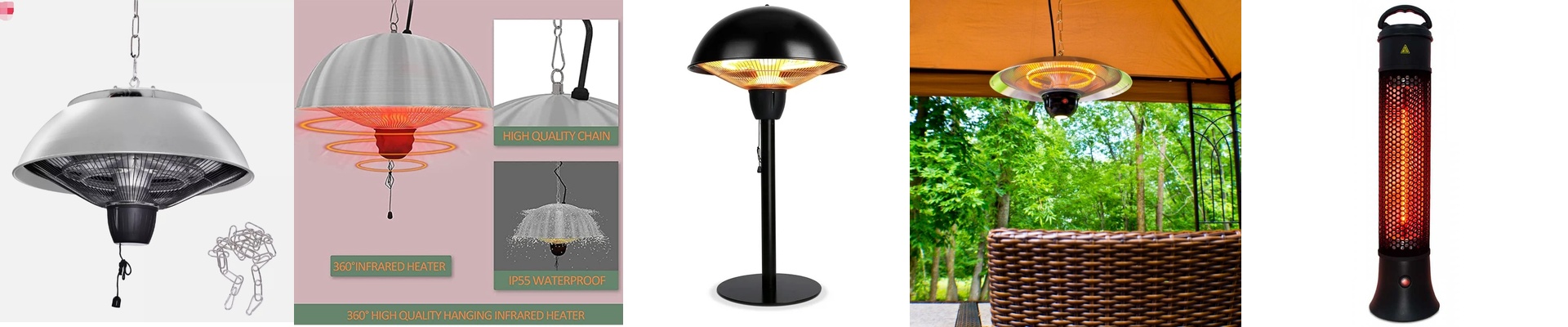
We’ve all been there. You’re staring at a loaf of bread that’s almost perfect, but the crust is still pale. You leave it in longer, and suddenly you’ve got a rock-hard interior but still no color. It’s frustrating. The problem is that relying on just the air temperature in a deck oven is a gamble. That’s why we use 250W infrared elements. Instead of waiting for the air to heat up, these elements shoot high-intensity heat straight onto the surface of the dough. It’s like a targeted strike for browning. Why 250W? It’s all about the sweet spot. If you go too high, you’ll torch the sugars and end up with burnt spots in seconds. Too low, and you’re just wasting electricity. At 250W, you get that perfect balance. Because this heat is radiant, it lets you control the “top heat” without messing with the temperature of your stone deck. You can give your loaves a final flash-brown right at the end, leaving you with a crisp, dark crust and a crumb that’s still soft and airy. Built for the Grind Commercial bakeries are brutal on equipment. Heat, flour, steam—it’s a lot. We build our elements to actually survive that environment. Since no two ovens are exactly the same, we don’t do “one size fits all.” We can tweak the lengths and the mounting brackets so the heat hits every inch of your baking sheet evenly. And if your wiring is a bit weird or non-standard? No worries. We’ll spec out the connectors so they plug right into your current control board without a headache. A Couple of Things to Watch Out For Radiant heat is fast. Really fast. But that means you have to be careful with your spacing. If the elements are too close to the bread, you’ll get charred patches. Too far, and the energy just disappears into the air, leaving you with a crust that lacks that satisfying snap. It takes a little bit of tweaking to find the right height for your specific setup. One last tip: pair these with a PID controller. It keeps things steady and stops the elements from burning out when you’re running a heavy production schedule. It just makes the whole process smoother.