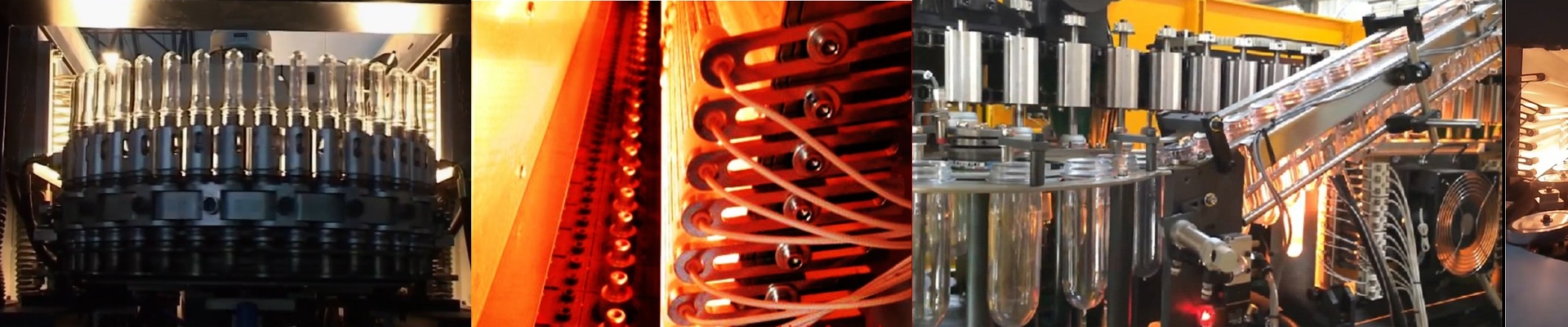
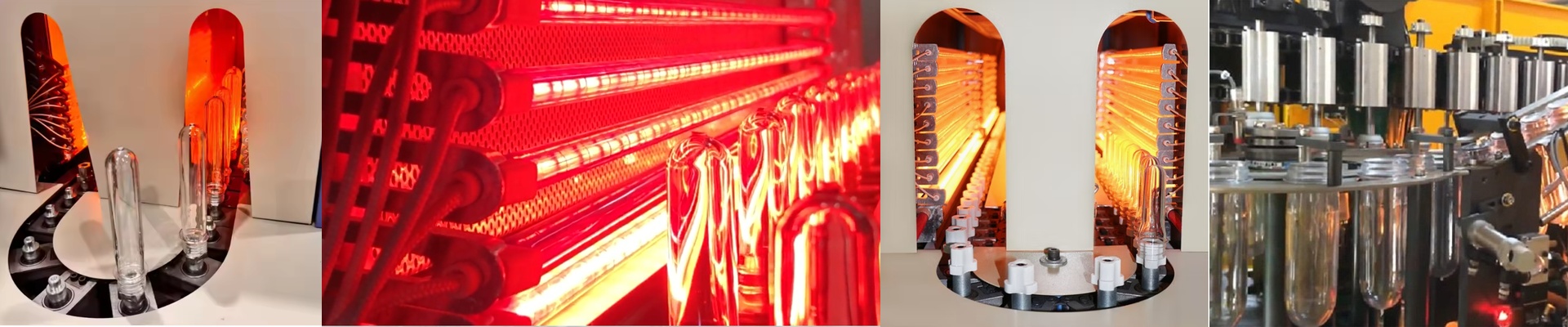
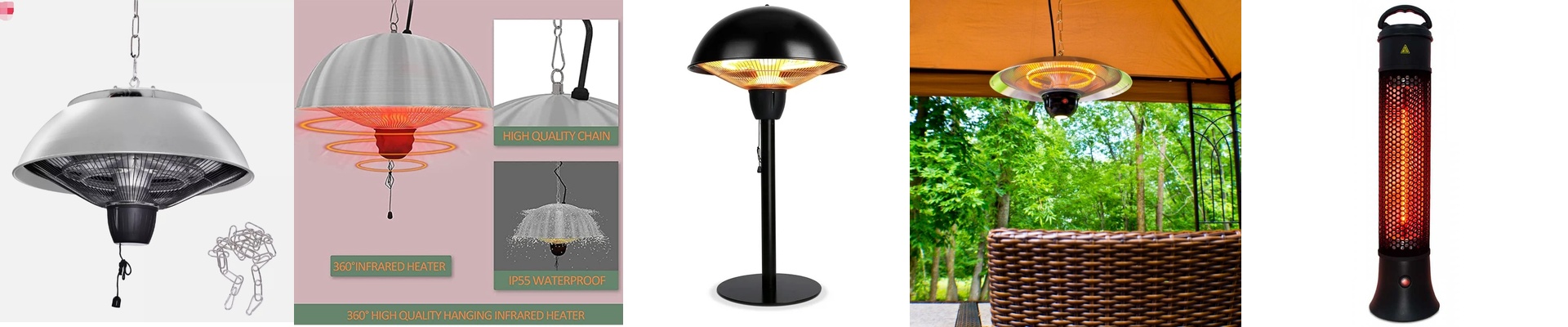
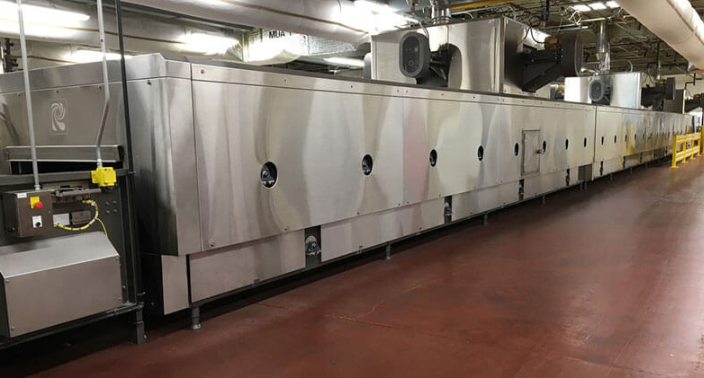
When the rush hits and orders pile up, a deck oven can start working against you. Hot spots flare up, the stone hearth fights temperature swings, and you end up with uneven bread—one side pale, the other scorched. At the end of the day, it comes down to how heat is delivered. Traditional top and bottom elements warm the air; infrared bulbs go straight to the product surface. We build our bread oven infrared bulbs around short-wave quartz halogen technology. It’s chosen for fast response and tight control over the spectrum. Energy goes right where it matters: onto the dough surface, pushing caramelization and Maillard reactions without overheating the baking chamber. The specs are practical, not academic. Typical ratings run 240–480 V, with power densities matched to deck size so you get quick recovery after the door opens and consistent hold during long bakes. Filament geometry and reflector layout are tuned to spread intensity evenly across the deck width, so every loaf sees the same profile. Here’s why this matters in a busy bakeshop. Infrared brings the crust up to target faster, so you can run shorter bake windows and push more throughput without wrecking crumb structure. Color becomes repeatable from tray to tray, and the top-surface browning stays clean—no soot, no bitter notes. Recovery is quick after proofing loads, so the oven spends less time chasing setpoints and more time actually baking. Energy use per bake cycle drops because the heating element targets the load, not the entire oven mass. Infrared bulbs run hot, and they need proper clearance and ventilation. Mounting has to follow the oven’s original geometry and wiring; mismatched sockets or undersized wiring will shorten service life. The bulb is the hottest component in the chamber—keep proofing racks away during operation, and schedule cleaning to keep flour from building up on the reflector. Match the bulb wattage to your oven’s thermal design; oversizing can push the crust too hard before the interior sets.