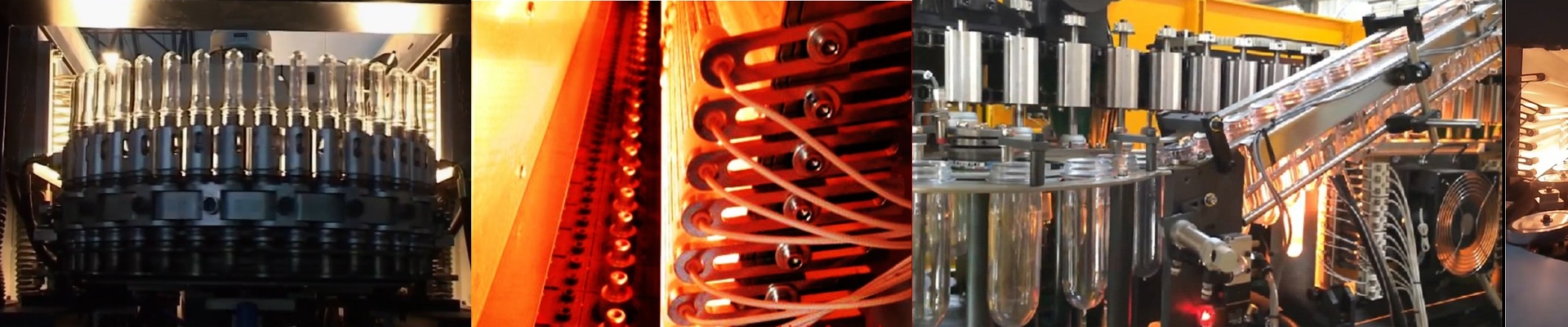
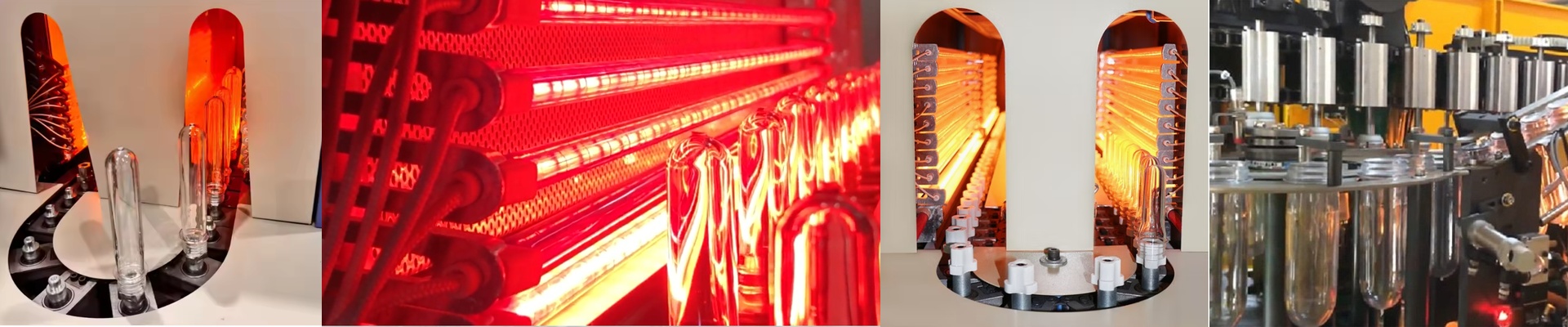
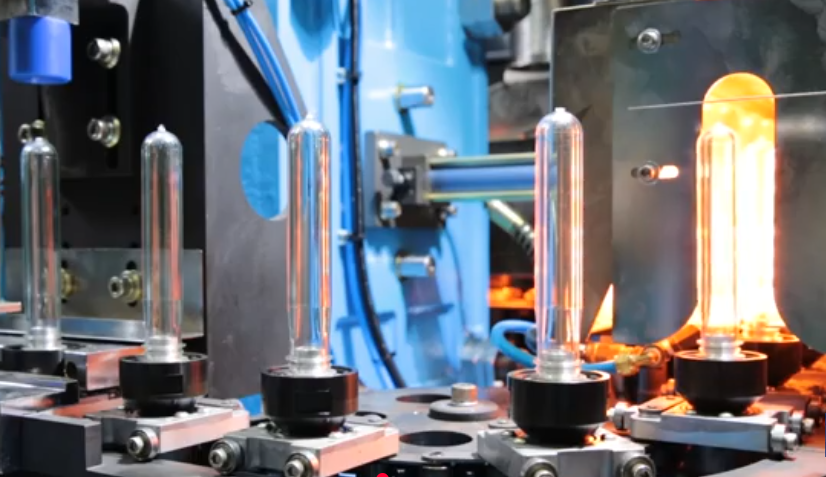
On the blow molding floor, the heating tunnel is where you either make the schedule or blow it. Under-heated preforms? Weak bottles and resin going straight in the trash. Lamp output drifting? The whole line spends its time chasing setpoints instead of running steady. What you need is a replacement that drops in, matches the machine’s electrical and thermal behavior, and stays stable shift after shift.
What matters under the hood
We built this infrared lamp for PET preform heating on blow molders: 220V, 1500W, sized to deliver rapid, controlled energy right where it matters—inside the heating tunnel. The emitter is tuned for consistent short-wave output, so preforms surface-up fast and reach stretch temperature without cooking the core. It’s a quartz envelope with a standard R7s connector, so it fits the same sockets and reflectors you’re already running on mainstream blow molding equipment. In practice, that means fewer tweaks to the holder, fewer hot spots, and heating that repeats across the full preform wall.
Why it behaves on a stretch blow molder
This lamp was designed around the realities of stretch blow molding. The 1500W rating gives you the power density needed to keep cycle times honest, especially when you’re running thin-wall or high-output PET. With stable infrared output, you get more consistent bottle weight, better top-load strength, and fewer pinholes that trace back to temperature swings. Energy use drops because the emitter heats on demand and responds quickly—no long warm-up, no idle losses. And because the dimensions match OEM spec, you can do a one-for-one lamp swap without re-engineering the tunnel.
The details that keep it honest
Installation is straightforward, but alignment is not optional. Even a small mis-seat in the R7s socket or a reflector that’s off will skew the heating profile and cut lamp life. Check that the terminal block is tight, keep the reflector clean, and make sure the lamp stays parallel to the preform path. Peak output comes in a clean, dry environment. Dust and fumes will cut transmission and push the lamp toward early end-of-life. Plan replacements around your preventive maintenance window. Matching the lamp to the machine is half the job. Keeping the heating tunnel in spec is the other half.