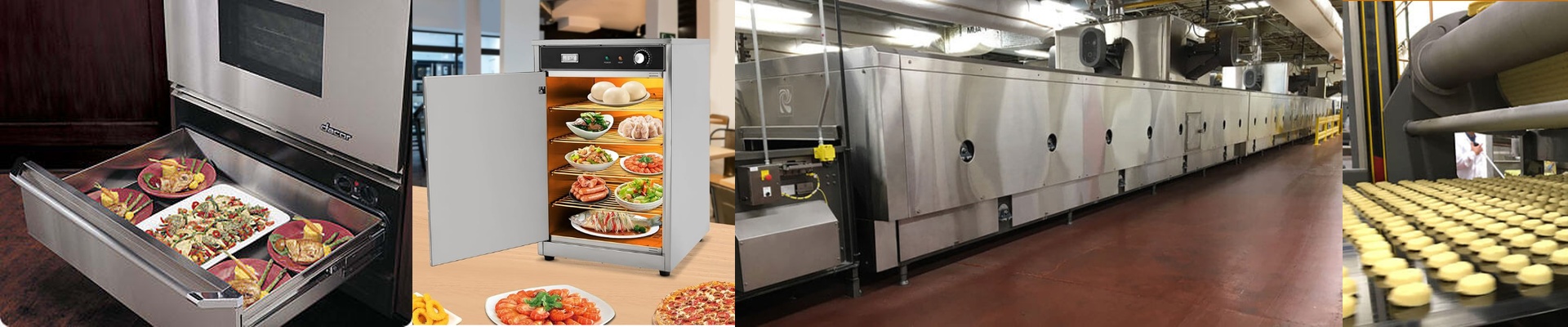
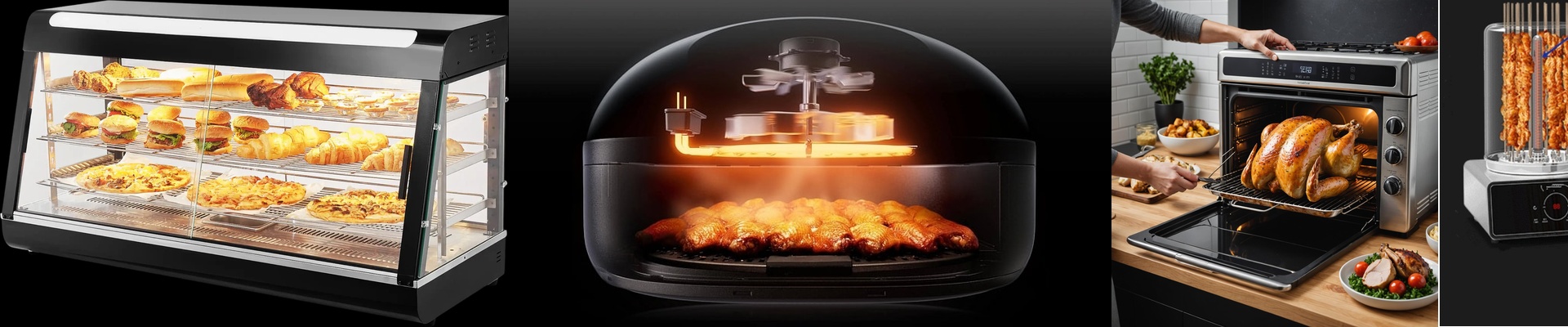
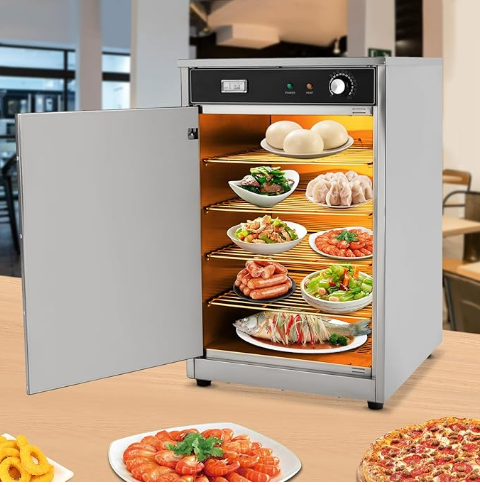
The line is moving. Tickets keep piling up. Your heavy-duty serving counter is supposed to keep everything hot, bright, and ready—until the heat starts to wander. The thermostat chases the temperature. You get hot spots under the sneeze guard while the far end goes lukewarm. You adjust the rack height, rotate the pans, and still the food loses its grip. That’s why the replacement infrared tube matters. Not as a “part,” but as the heat source that decides whether your holding station can keep up during the rush.
What actually matters under the hood
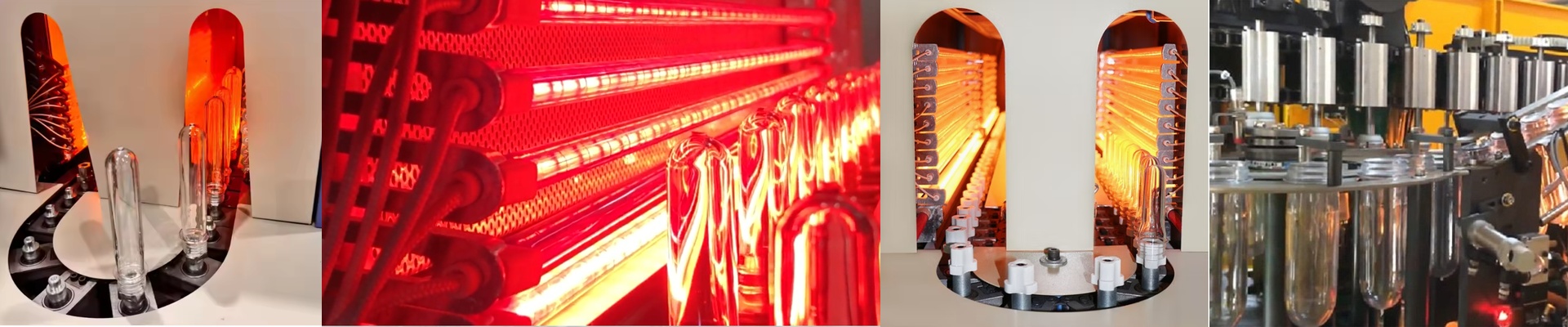
Infrared tubes for serving counters aren’t interchangeable in performance. The physics is straightforward: the tube emits radiant energy that heats food surfaces and the pan directly, instead of heating the air around them. That keeps moisture sealed in, prevents crusts from going leathery, and keeps sauces from breaking. For heavy-duty counters, we spec a short-wave infrared tube built around a quartz envelope and a high-stability tungsten filament. In real-world terms, that means fast recovery—usually hitting target output within 2–4 seconds—so the station comes right back after a pan swap. When you need heat, you get it immediately. The two performance numbers that matter in the kitchen are temperature control and heat distribution.
- Temperature control:When paired with a counter-mounted thermostat or solid-state controller, the system holds setpoint within±2°C. That’s the kind of stability that keeps pulled pork at serving temperature without overcooking the edges.
- Heat distribution:With a properly spaced tube array, the radiant field across the holding surface is even enough to keep pans within±5°Cfrom front to back. No more “hot on the left, cold on the right.” Power needs to match the footprint. For a standard full-width holding bay, 240 V tubes in the1.5–2.0 kWrange deliver the right balance of output and thermal headroom without overshooting. If your counter is narrower or mostly handles plated sides, 120 V options around0.8–1.2 kWcan be the right fit. Fit is just as practical. Replacement tubes are built to standard lengths—commonly12 in, 18 in, and 24 in—with end-cap styles that match OEM mounting hardware. Connections are typicallyfast-connect terminals or screw-terminal blocks, and the tubes drop into the same brackets and reflectors your counter already uses.
Why this approach works in a busy holding station
Heavy-duty serving counters live in a punishing rhythm: long holding stretches interrupted by sudden demand spikes. When the infrared source is undersized or worn, it doesn’t just mean “less heat.” It shows up as:
- Temperature swingsthat make quality inconsistent from ticket to ticket.
- Hot bands and cool zonesthat force staff to rotate pans constantly.
- Longer recovery timesafter the sneeze guard is lifted, which slows the pass. A purpose-built replacement tube fixes all three. Because the tube heats surfaces directly, it gives you the fast recovery you need when a rush hits. Pans come back to holding temperature quickly, and the thermostat doesn’t have to chase big swings. The payoff is a station that behaves predictably: sauces stay emulsified, cheese stays melted, and proteins hold their texture. Energy use is also driven by how steady the heat is. A system that holds setpoint without wild overshoots avoids the repeated “heat high, cool low” cycling that wastes electricity. In a typical counter setup, stable infrared holding can reduce energy draw per hour compared with systems that run long cycles and overheat the air. Then there’s the labor side. When the heat field is balanced, staff stop babysitting the station. They plate, they move, and the counter keeps the line honest. That matters during service, when seconds count.
The details that make the swap go right
Installation is straightforward, but there are shop-floor details that keep things from going sideways.
- **Match the spec, not just the length.**Check voltage, wattage, and end-cap style. The wrong wattage changes temperature behavior, and a mismatched cap won’t sit securely in the bracket.
- **Confirm the controller.**Infrared tubes perform best with a counter thermostat designed for radiant heat. If you’re running an older air-sensing probe, you’ll likely see more drift than you want.
- **Don’t ignore the reflector.**If it’s oxidized or dented, you lose output even with a new tube. Replace or clean the reflector at the same time.
- **Handle with care.**Quartz tubes can crack if they’re nicked or over-torqued. Mount them gently, and let the tube come up to temperature before you do final tension checks. One practical constraint: infrared tubes run hot at the surface, and clearance under the sneeze guard is a safety and code issue. You need enough distance to protect staff and guests, and to avoid scorching food that sits too close to the element. Set the mounting height so the tube provides broad coverage without creating a direct line of sight to the filament. If your serving counter has been fighting uneven holding, slow recovery, and inconsistent food quality, the fix often starts with the heat source you can see—the tube. Put in a matched infrared tube, and the station starts doing the one thing it’s paid to do: hold food at the right temperature, across the whole surface, all service long.