Why the Best Bakers are Adding Infrared to Their Rotary Ovens
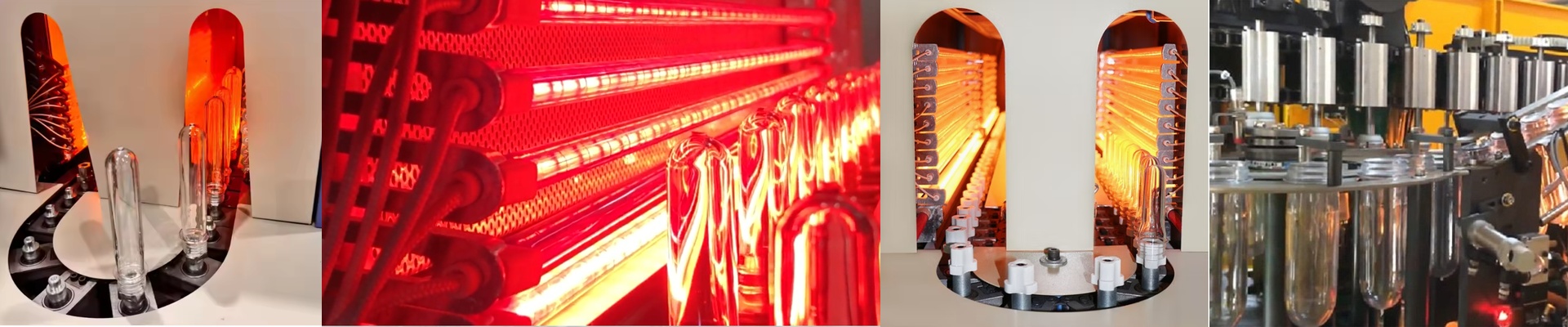
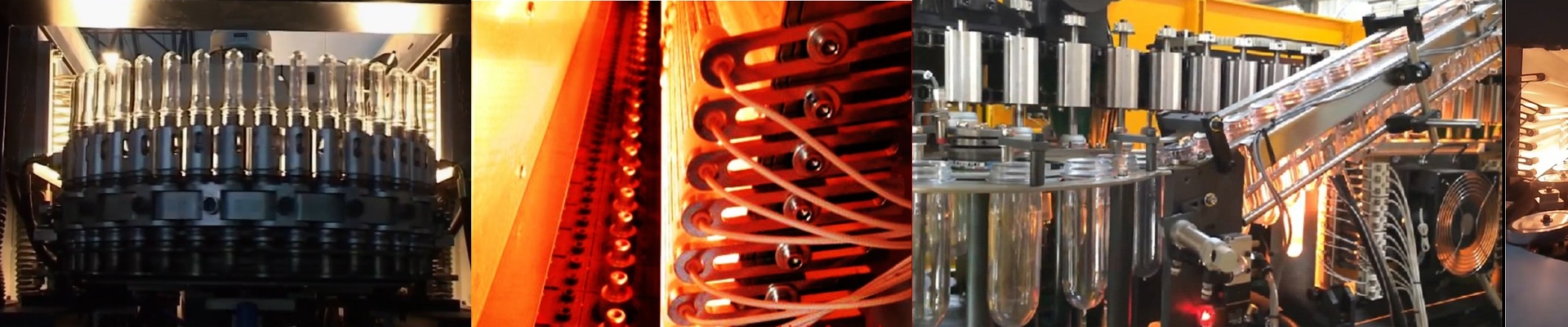
Standard convection ovens are fine for bulk heating, but they have a weakness. They rely on hot air. If you’re pushing out high volumes of artisanal bread, air alone often struggles to give you that perfect, consistent crust or that aggressive “oven spring” you’re looking for. That’s why we started adding infrared (IR) bulbs into the mix. Instead of just warming the air, these bulbs send radiant energy straight into the dough. It’s faster. Much faster. The secret is in the heat Think of it like the sun on your skin. You don’t feel the air getting warm first; you feel the heat hitting you instantly. We use quartz-halogen tech to make this happen. The halogen part is key because it stops the filament from burning out too quickly, even when we’re cranking up the wattage. This gives you a targeted blast of heat right on the crust. It’s the trick to getting that deep mahogany color and a serious crunch without accidentally drying out the inside of the loaf. The nitty-gritty stuff On the hardware side, we usually stick with R7s or SK15 connectors. They’re simple, secure, and easy to swap out when you need to. Depending on your power grid, these usually run anywhere from 220V to 400V. The higher the voltage, the more heat we can cram into a shorter tube. And those quartz envelopes? They aren’t just for show. They let the IR radiation pass right through. The heat goes into your bread, not into the glass. A few things to watch out for Now, these bulbs put out a massive amount of heat, which can be a bit brutal on the equipment. If you’re installing a high-density array, you can’t just wing it. Your chassis and wiring need to be rated for the heat rise, or you’ll fry your sockets and be replacing bulbs way sooner than you should. Also, make sure your cooling fans are actually up to the task of handling the heat bleed-off from the housings. Get the cooling right, and you’ve got a powerhouse of an oven.