Getting Heat Where You Need It, Fast
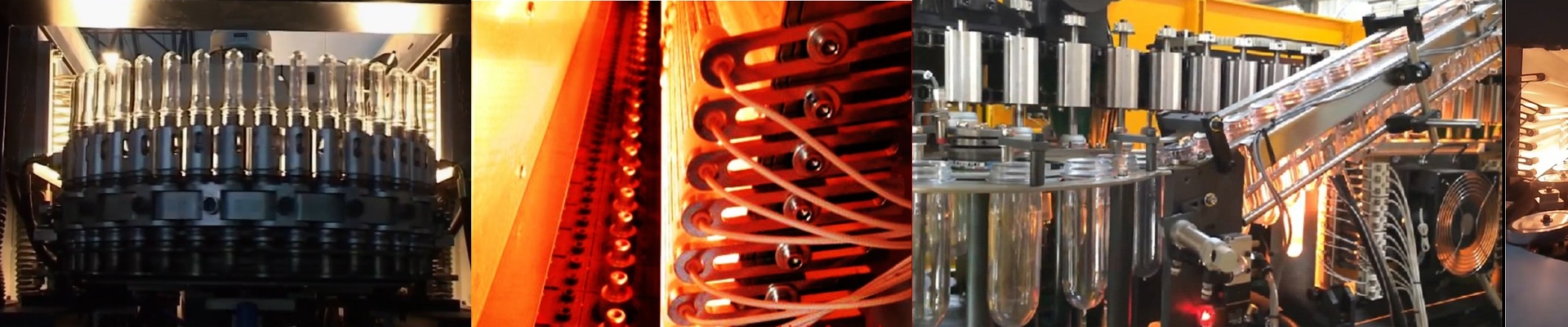
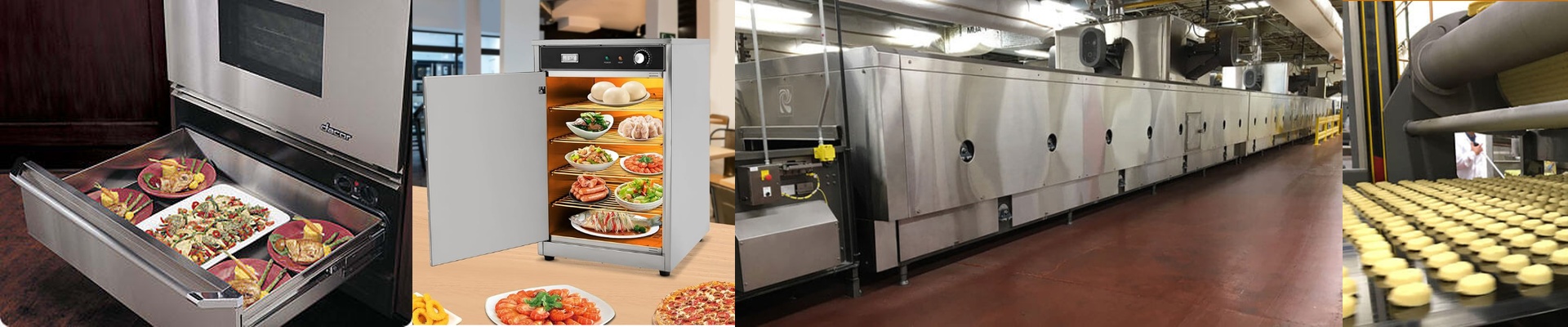
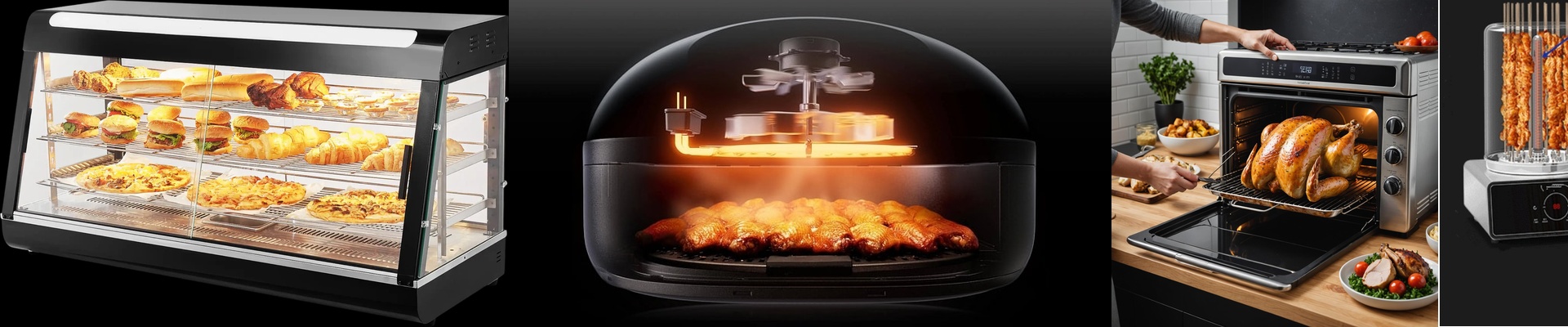
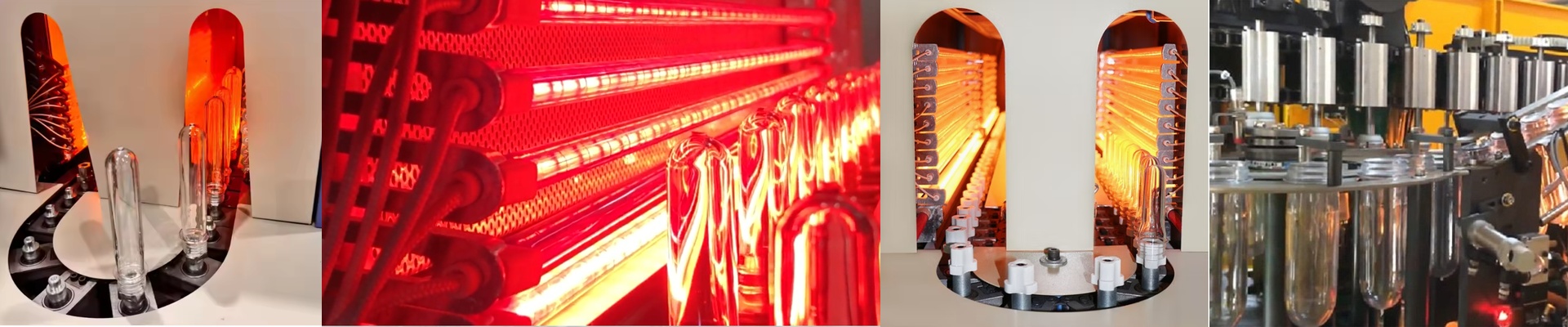
When you’re trying to sterilize a cabinet or fire up a bread oven, you don’t have time to sit around waiting for things to warm up. You need a spike of heat—and you need it now. If you’re relying on standard resistive coils or convection, you’re basically waiting for the air to get hot first. That’s too slow. We build our infrared tubes for people who need to hit those sterilization temps in a matter of seconds. The secret is in the wavelength. We use short-wave IR. Instead of wasting energy heating up the air around the object, this radiation hits the surface directly. It’s like the difference between waiting for a room to warm up and stepping into a beam of sunlight. By packing high wattage into a small tube, we get a massive amount of heat density. The moment you flip the switch, the heat is there. We use high-purity quartz glass for the casing because it lets the IR through without blocking it and can handle the shock of going from cold to scorching in a heartbeat. A few things to keep in mind for the setup. Inside that quartz envelope, the filament is protected from oxidation. But here’s the thing: you have to get your connections right. At these power levels, a loose plug isn’t just a nuisance—it’ll arc and burn your socket right out. Also, please, don’t try to “overclock” your tube. If you push more wattage than it’s rated for just to get a few more seconds of speed, you’re going to fry the filament. It’s a quick way to turn a professional tool into a piece of scrap. The trade-off There is a catch. When you’re throwing that much heat into a small space, you’re going to get some intense hotspots. You’ve got to make sure your cabinet can actually handle the heat. If your insulation is cheap or your fans aren’t moving enough air, you’ll end up warping your frame or tripping your thermal cut-offs. The trick is all in the spacing. Find that sweet spot between the tube and your target. That’s how you get the sterilization speed you need without melting your equipment.