Why Most PET Heating Lamps Fail (And How We Fixed It)
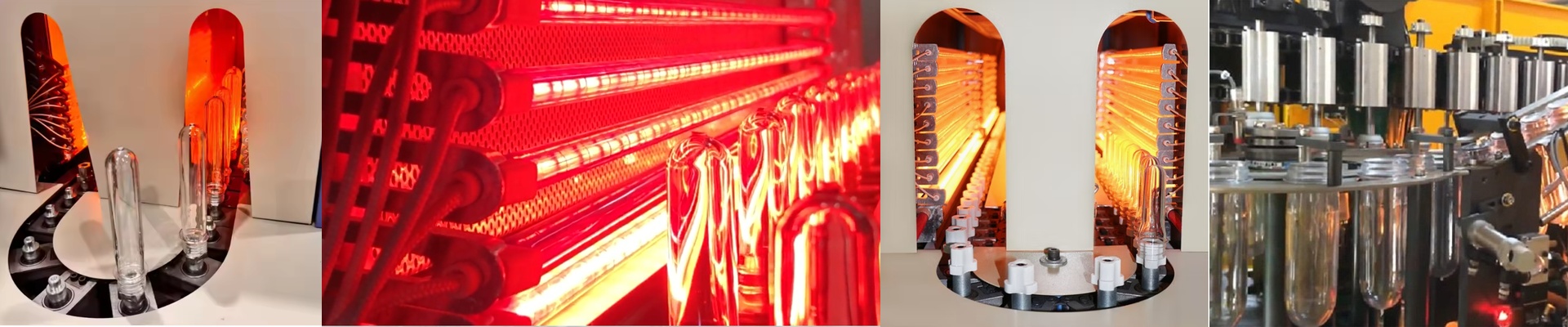
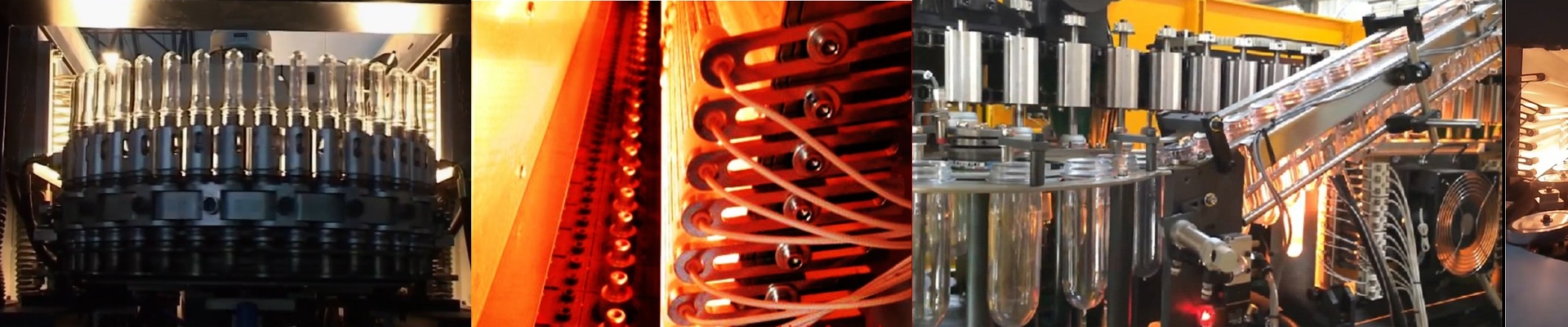
Let’s be honest: most PET blowing machines hit a wall during the heating stage. Why? Usually, it’s because the lamps just don’t match the machine. It sounds like a small detail, but if the specs are off, the whole process falls apart. We decided to stop the guesswork. We built our infrared lamps to be true drop-in replacements for SIPA and other big brands. We didn’t overcomplicate it. We just focused on the three things that actually keep your line running: the electrical load, the physical size, and the heat output.
Getting the Fit Right
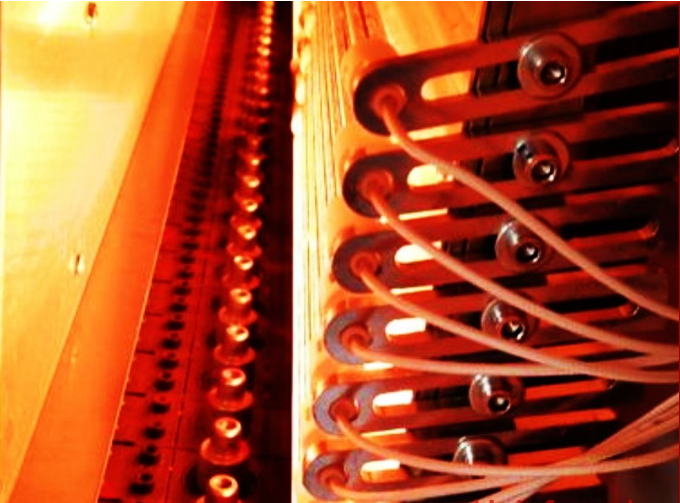
We don’t “estimate” dimensions. That’s a great way to break things. To make sure our lamps work in about 95% of the machines out there, we stick to the industry gold standards—R7s and Sk15 connectors. Here’s the thing: if that connector doesn’t seat perfectly, you get arcing. And if you get arcing, your lamp is toast in a matter of days. On the power side, we offer everything from 230V to 400V. By using high-voltage tubes, we can cram more wattage into a shorter space. This gives you that intense heat density you need to soften the preform wall without accidentally melting the neck. Just a heads-up: double-check your transformers. If the voltage doesn’t match the lamp, you’re going to blow a circuit.
The Stuff Inside
We use heavy-wall quartz glass and a specific halogen fill. The halogen does the heavy lifting here—it stops tungsten from clouding the glass. This means your heat stays consistent for thousands of hours instead of dipping off after a few weeks. Some of our tubes come with a selective coating. It’s clever—it reflects certain wavelengths to push the IR energy straight into the PET, which saves you money on electricity. But a word of warning:**use gloves.**These coated lamps hate fingerprints. One tiny smudge of oil from your skin creates a hot spot, and that’s how you get a cracked tube.
Making Your Life Easier on the Floor
The best part? No custom brackets. No drilling. No headaches. You just pull the old tube out, slide ours in, and wire it up. We keep the length tolerances incredibly tight, so there’s no rattling in the oven. That might sound minor, but in a high-speed environment with constant vibration, a rattling lamp is a broken filament. It just stays put. And that’s how it should be.