Getting the Heat Right: A Look at Our Infrared Lamps for PET Blowing
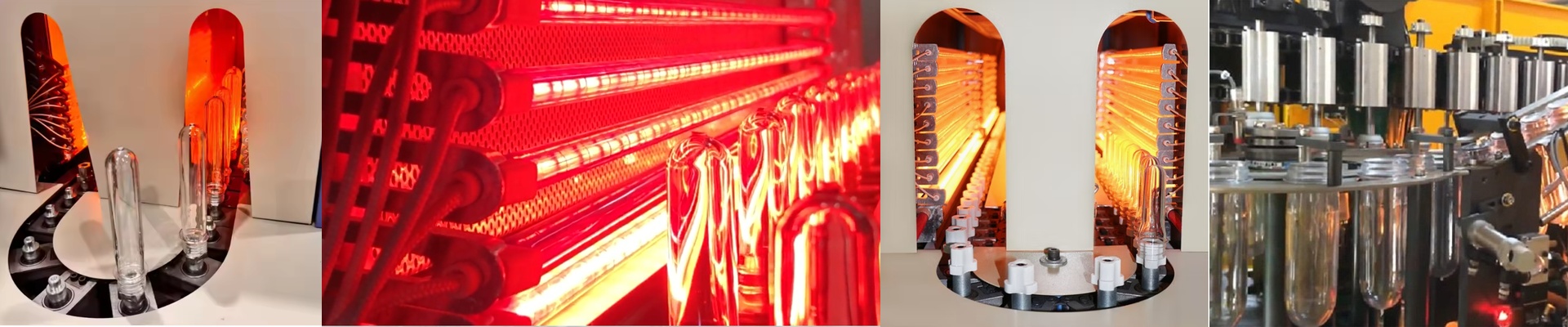
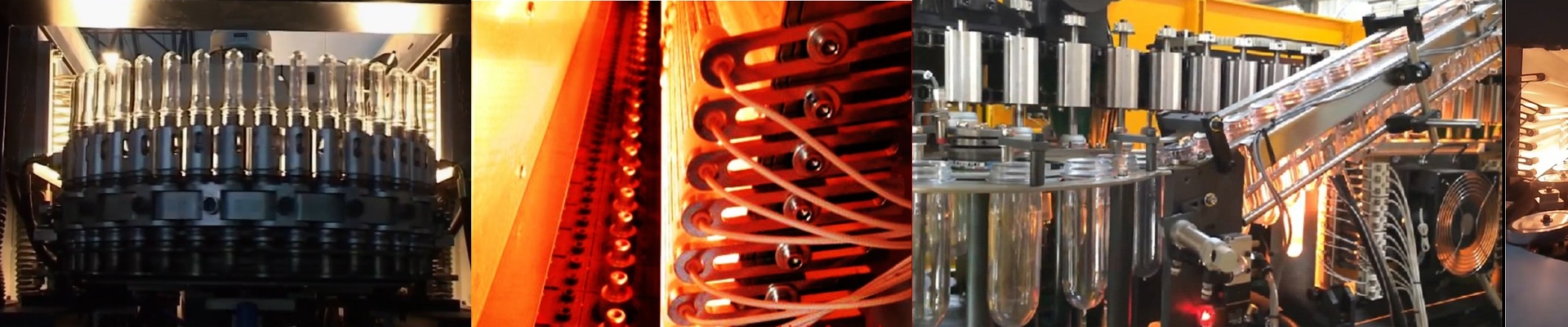
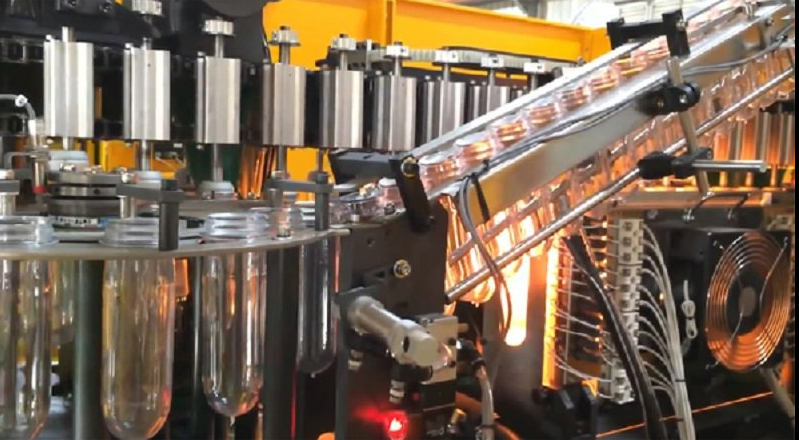
If you’re running Sacmi SBF 12/24 or Husky HyPET systems, you know the struggle. You need the heat to hit the center of the preform wall, but if you push too hard, you end up scorching the surface. That’s where you get that annoying pearlescence and weak spots in the plastic. It’s a frustrating balancing act. The trick to deeper heat We figured out a way to stop that surface-level scorching. By messing with the halogen gas pressure and the filament mix in the quartz envelope, we shifted the light toward short-wave infrared. Think of it like this: instead of the heat just hitting the “skin” of the plastic and stopping, it actually punches through to the core. You get a consistent melt without burning the outside. Plug and play Nobody wants to spend a weekend modifying oven racks. That’s why we built these as direct drop-in replacements. We kept the length and the R7s/Sk15 connectors exactly where they need to be. They just fit. And because we used high-wattage density filaments, you don’t have to slow down your cycle speeds, even when you’re dealing with heavier preforms. A quick heads-up Here’s the thing: these lamps put out a massive amount of energy in a very short window. You’ve got to keep an eye on your cooling blowers. If your airflow is clogged or just isn’t cutting it, all that extra heat can build up. If that happens, you risk overheating the oven housing or killing your lamps way too early. Keeping things running We used heavy-duty quartz glass because these tubes take a beating with all that rapid heating and cooling. When you’re wiring them up, do yourself a favor and make sure the contacts are spotless. Any bit of oxidation creates a hot spot, and that’s a fast track to a melted socket. To keep your heating profiles from drifting, we usually suggest swapping out the whole lamp bank every 4,000 to 6,000 hours. It keeps everything predictable.