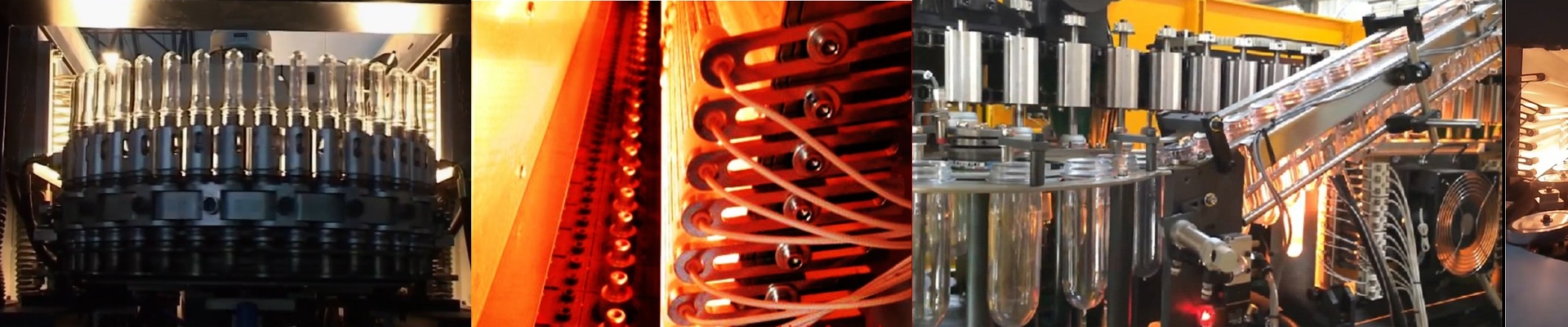
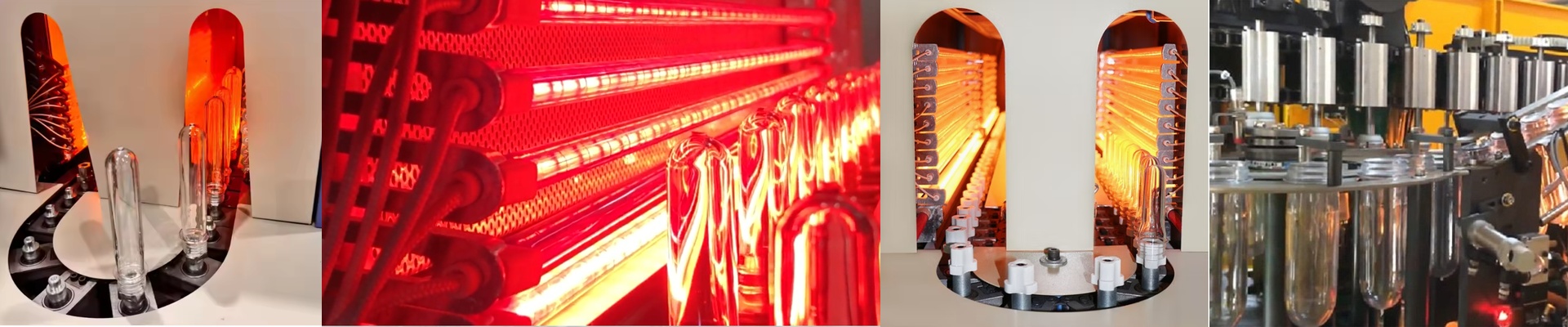
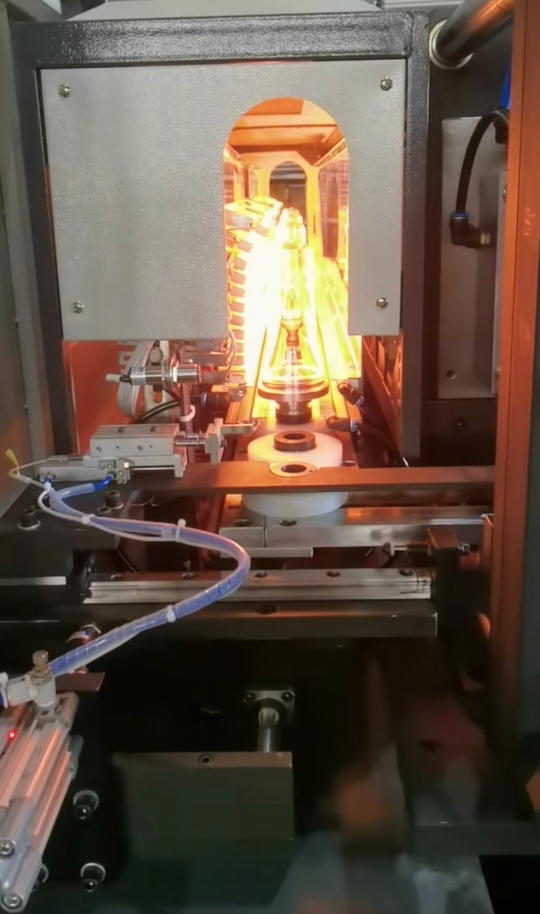
On the line, the Contiform 3 Pro is moving, and the heating tunnel has to keep pace. If preform temperature starts to drift, you’re staring at PET rejects—thin walls, blown handles, or fill volumes that won’t sit still. Swapping a lamp is downtime you can plan for. Chasing temperature swings is the kind that eats hours. We built the Contiform 3 Pro heating lamp spare to match the original thermal profile, so the blow molder stays in control. What matters, technically This spare is a short-wave infrared emitter, engineered to the same OEM parameters as the Contiform 3 Pro heating section. The quartz envelope gives you fast response, and the halogen filament holds output steady across the preform heating window. The specs line up: rated voltage, power density, and lamp geometry are matched to the machine’s reflector spacing and conveyor speed. The R7s connector and end-seal dimensions drop it straight into the existing lampholder—no modification. In practice, that translates to repeatable heating curves and fewer setpoint tweaks when you change bottle weights. Why it works in stretch blow molding In stretch blow molding, the preform has to be evenly heated—top to bottom, shoulder to finish—before it hits the mold. A lamp that underperforms forces you to either slow the line or live with quality risk. Our replacement keeps the heating tunnel balanced, so cycle times stay stable and wall distribution stays consistent. Field data puts typical service life beyond 5,000 hours under standard Contiform 3 Pro duty cycles, and the stable output helps cut scrap caused by thermal drift. You keep throughput, and you keep the repeatability the machine is known for. What to keep in mind on the floor Installation is straightforward, but thermal management still matters. Stick to the specified torque on the lampholder, and make sure the reflector is clean and aligned correctly—misalignment changes the spot pattern and can create hot and cold bands. Verify voltage at the terminal; sustained overvoltage shortens lamp life and can damage the quartz. Plan replacements during scheduled stops, not when you’re under emergency pressure. When the lamp is cold, check the connection and the insulation integrity. If the line runs long hours with frequent format changes, keep spares on hand so you can swap quickly and avoid temperature excursions.