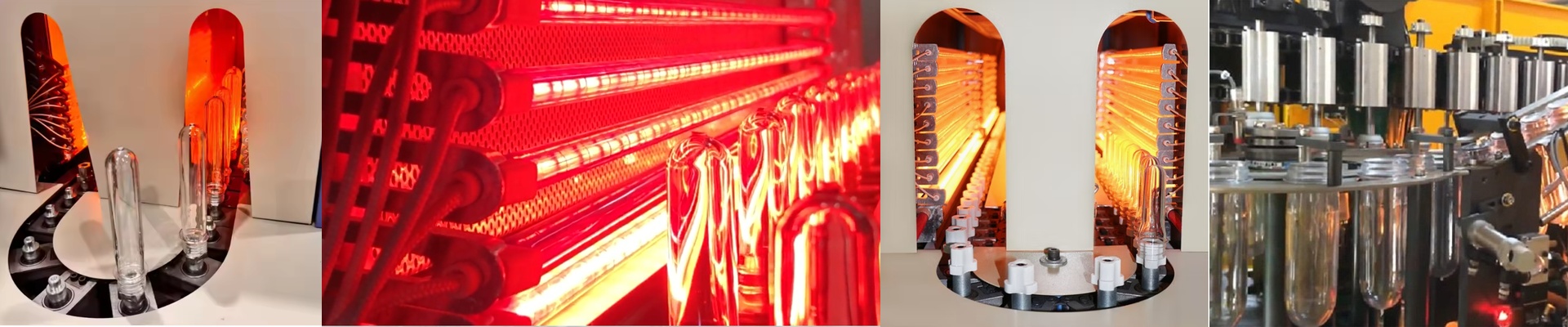
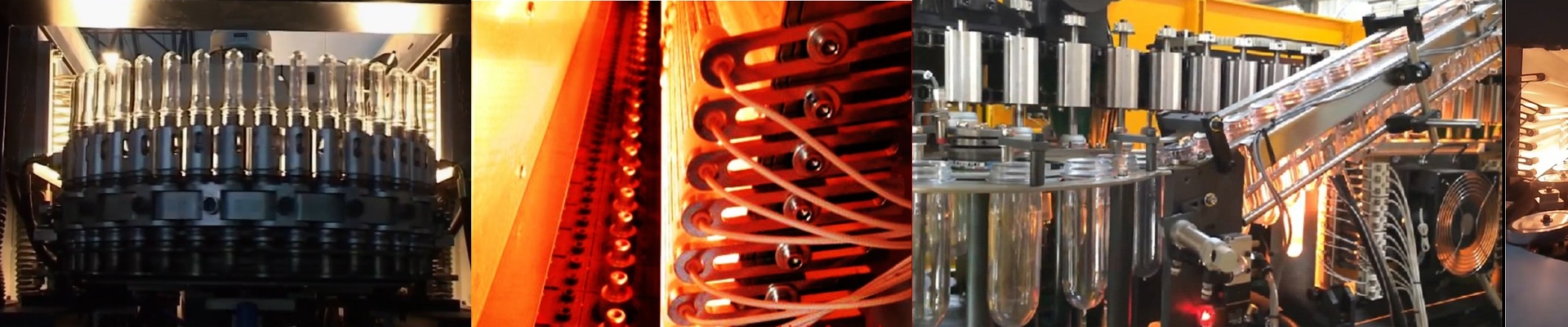
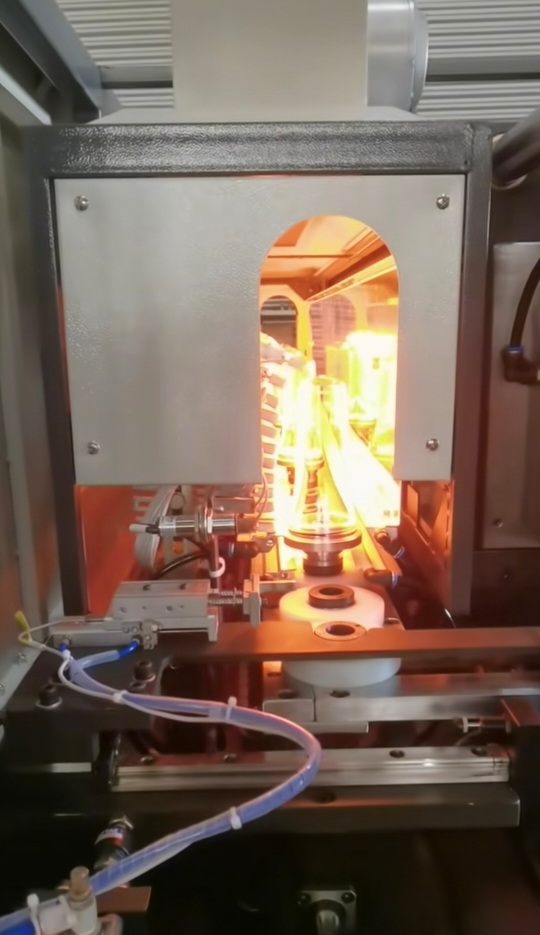
We build PET preform heaters that go all over the world, and there’s one question we hear again and again from the folks running smaller blow molding lines: “If I swap out the old heating element, can I really get more out of an older machine?” It comes down to the physics of what you’re putting in. Power, voltage, and fit—plain and simple Our infrared heaters pack a lot of heat into a small space. That’s exactly what a preform needs to warm up fast and evenly. They run on 400V, which pulls plenty of current to hit the wattage you need. But that also means your machine’s electrical setup and cooling have to be ready for it. If you just wire it in without checking how hot your control cabinet gets, you can end up cooking the parts around it. And the tube length is matched to the heating zone, so you get full coverage—no wasted space, no cold spots. What’s inside: quartz, coating, and the right connector We use a quartz tube with a special coating that focuses the infrared energy right where PET needs it. That means less wasted heat drifting out to warm the machine frame instead of the preform. The R7s connector isn’t an afterthought. It’s there because it can handle the high heat at the terminals and stays solid when things expand and contract. On the shop floor, that translates to fewer burnouts and less downtime chasing loose connections. Drop it in, feel the difference This whole setup is built to be a direct replacement. Pull out the old halogen or inefficient element, plug in the new infrared heater, and you’re off. No re-engineering the whole heating section. The payoff is real: cycle times speed up because the preform hits temperature faster, and the heating stays consistent across the preform wall. For an older machine, it’s a straightforward upgrade—mechanically simple—that boosts efficiency without forcing you to buy a whole new line. Just one thing to keep in mind: make sure your power and cooling can handle the extra thermal load. If they can, you’re good to go.