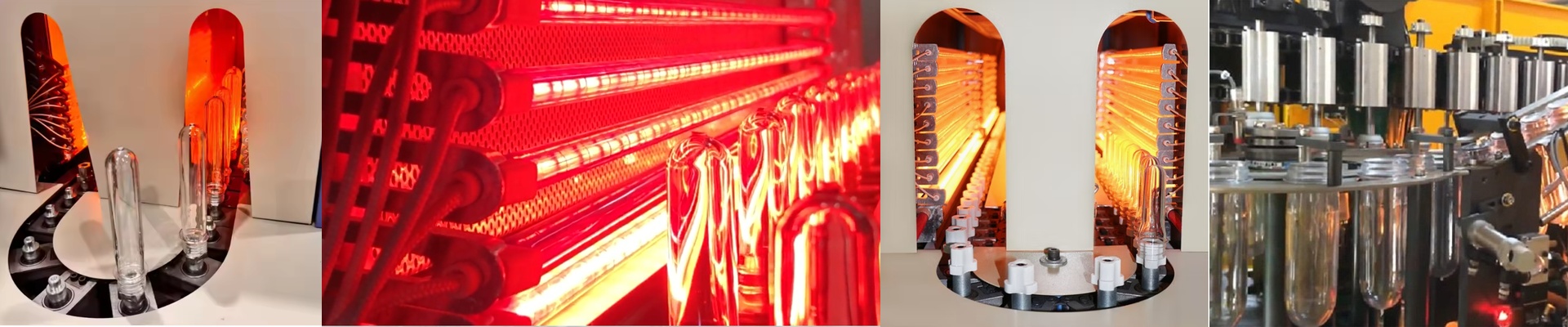
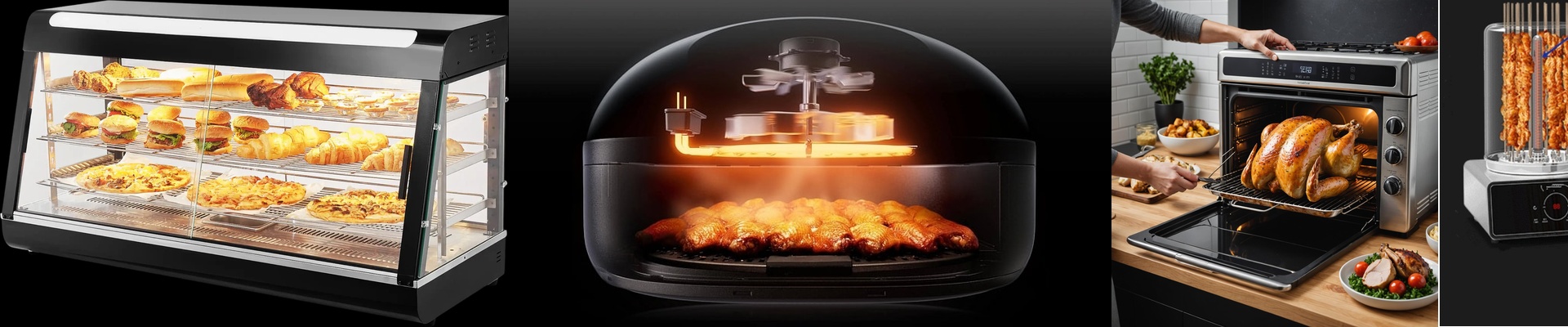
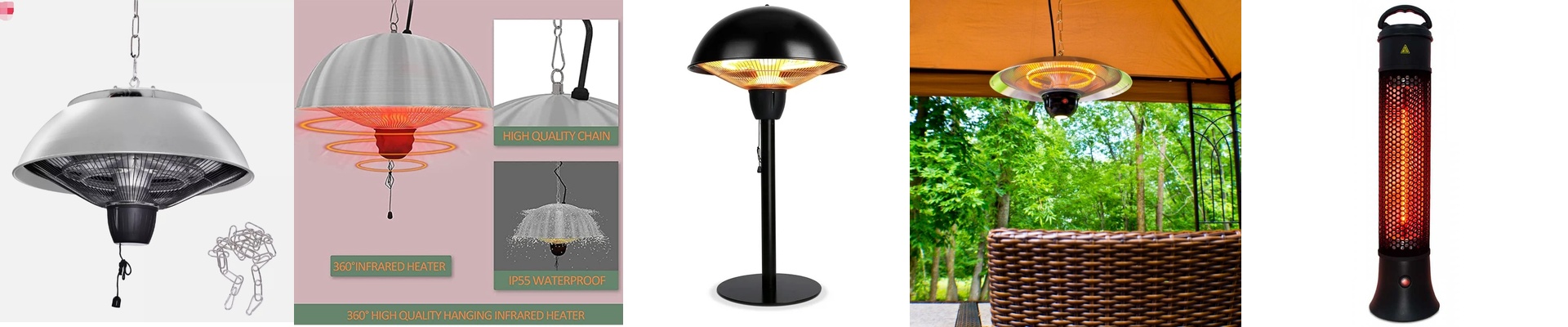
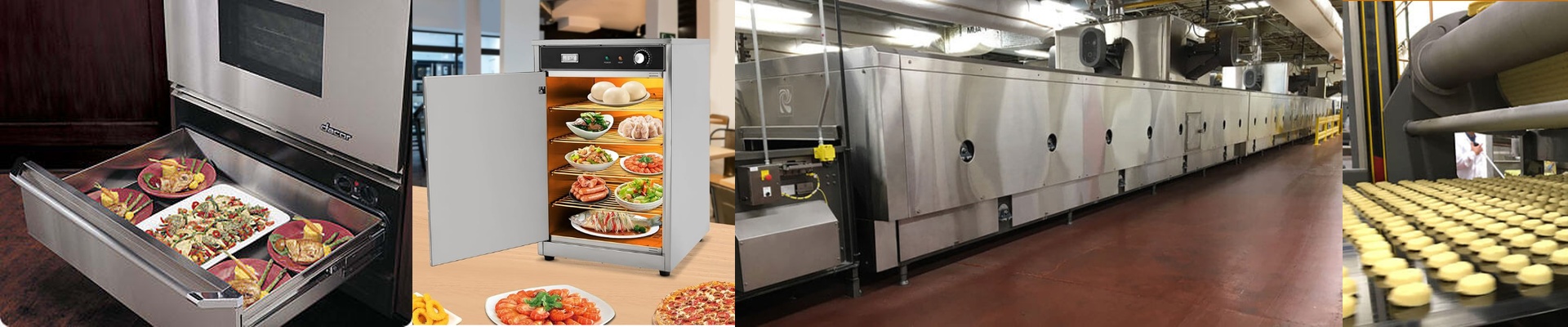
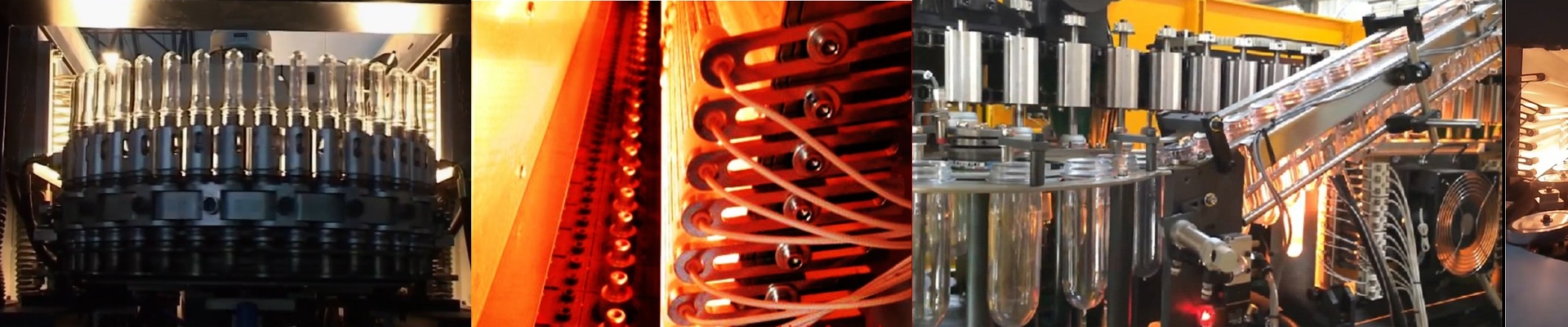
Keeping Your Rotary Ovens from Burning Out
If you’re running industrial curing or drying ovens, you know the drill. You’re hitting those heating elements with power on and off every few seconds. It’s a brutal cycle. Most lamps just can’t take that kind of beating—they either lag behind or just pop. That’s why we built our replacement infrared lamps differently. They’re made for that high-frequency stress.
Why “Fast” Actually Matters
Here’s the thing: most heaters rely on thermal mass. They take a while to warm up and a while to cool down. That lag is a killer. If your heat doesn’t keep up with the rotation of your product, you end up with burnt edges and uneven curing. We swapped that out for short-wave infrared tech. By using a low-mass tungsten filament inside high-purity quartz, we cut the wait time. You get heat in seconds.**Actually seconds.**This means the heat tracks your product perfectly as it spins. No more guessing.
The Nitty-Gritty on Durability
We don’t mess around with the materials. When you’re cycling power this fast, the glass is constantly expanding and shrinking. If the quartz isn’t pure, it’ll crack under the pressure. Simple as that. We also added a specialized seal to the end caps. It keeps the oxygen out, which stops the filament from evaporating and dying early. You can slide these right into your current racks. But a quick heads-up: this kind of rapid response puts a lot of pressure on your SCR controllers. If your controllers are ancient, the fast switching might make them run hot. Just something to keep an eye on.
Getting the Fit Right
Wiring them up is the easy part. The hard part is the fit. In a rotary oven, a single millimeter of misalignment is a disaster. It leads to hot spots or, worse, the lamp hitting something it shouldn’t. We obsess over the length and pin placement so the lamp seats exactly where it belongs. That way, the heat hits your product, not the oven wall.