
Stop the Scrubbing: How Infrared Heaters Actually Kill Bathroom Mold
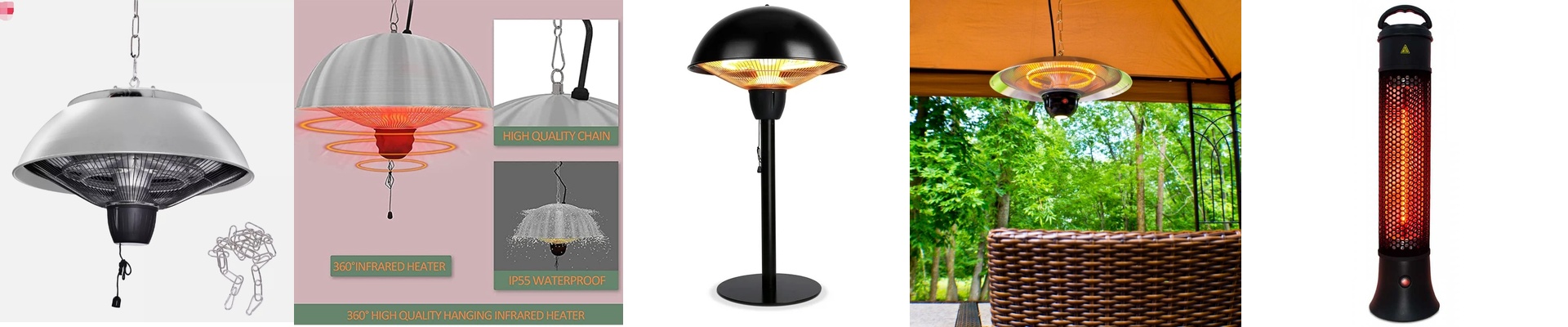
Most people think of those infrared ceiling lamps as just a way to stop the shivers when you step out of the shower. But if you look under the hood, they’re doing something way more interesting. We didn’t just build these to make you feel warm; we built them to hunt down the moisture hiding in your walls.
Drying out the “hidden” damp
Here is the thing about mold: it loves stagnant air and soggy surfaces. If you use a regular space heater, you’re just warming the air. That often backfires because the warm air hits a cold wall, turns into condensation, and creates a perfect little playground for mold spores. Our lamps work differently. They use short-wave radiation that actually sinks into your tiles and grout. It basically shakes the water molecules until they turn into vapor, which your vent can then suck right out of the room. By keeping the walls and ceiling warm, you stop that “dew point” from ever happening. No condensation, no mold. Simple as that.
The gear inside
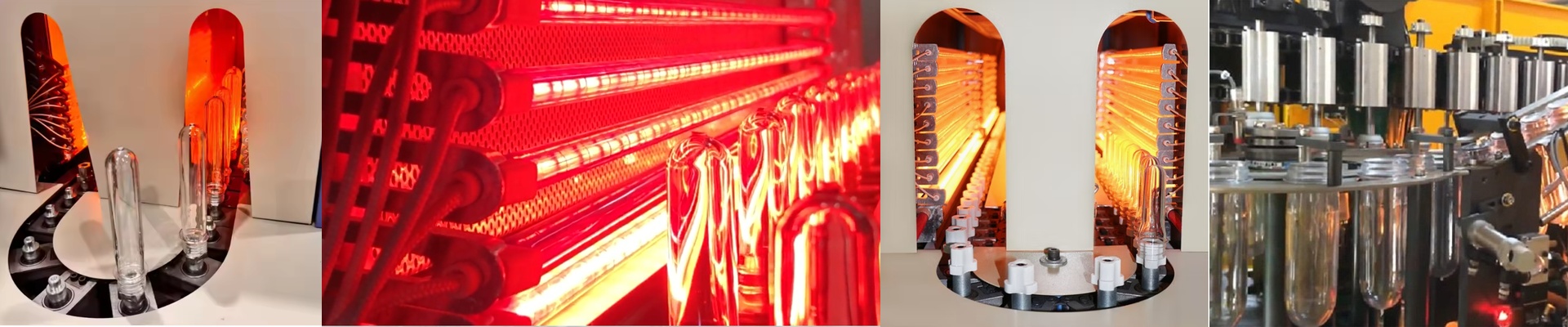
We use high-purity quartz glass for a reason. We don’t want the heat getting trapped or filtered before it even reaches your walls. Inside, there’s a halogen-filled tungsten filament. That prevents the glass from turning black over time, so the heat stays consistent for years. You’ll notice these things getreallyhot. That’s not an accident. You need that intense heat density to push moisture out of deep grout lines. If you go with a low-wattage version, sure, you’ll feel a nice glow, but you won’t actually be drying out the room.
A quick heads-up on installation
These are easy to pop into your existing light fixtures, but they’re power-hungry. Before you install them, double-check your wiring. If your circuit is already juggling a dozen other things, these lamps will probably trip your breaker. If you’re putting in a whole array of them, it’s a smart move to run a dedicated line. It keeps the voltage steady and ensures you’re getting every bit of that heating power.