Why we’re switching to infrared for bathroom mirrors
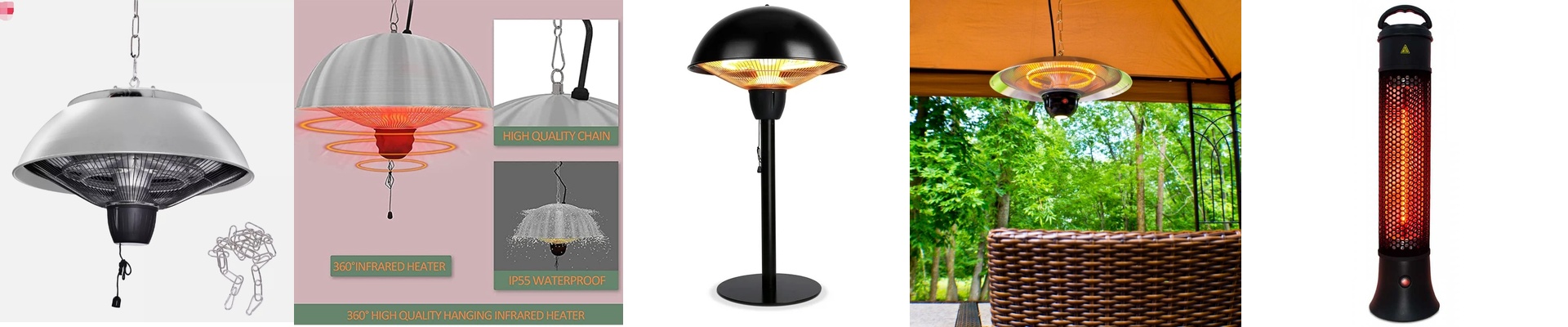
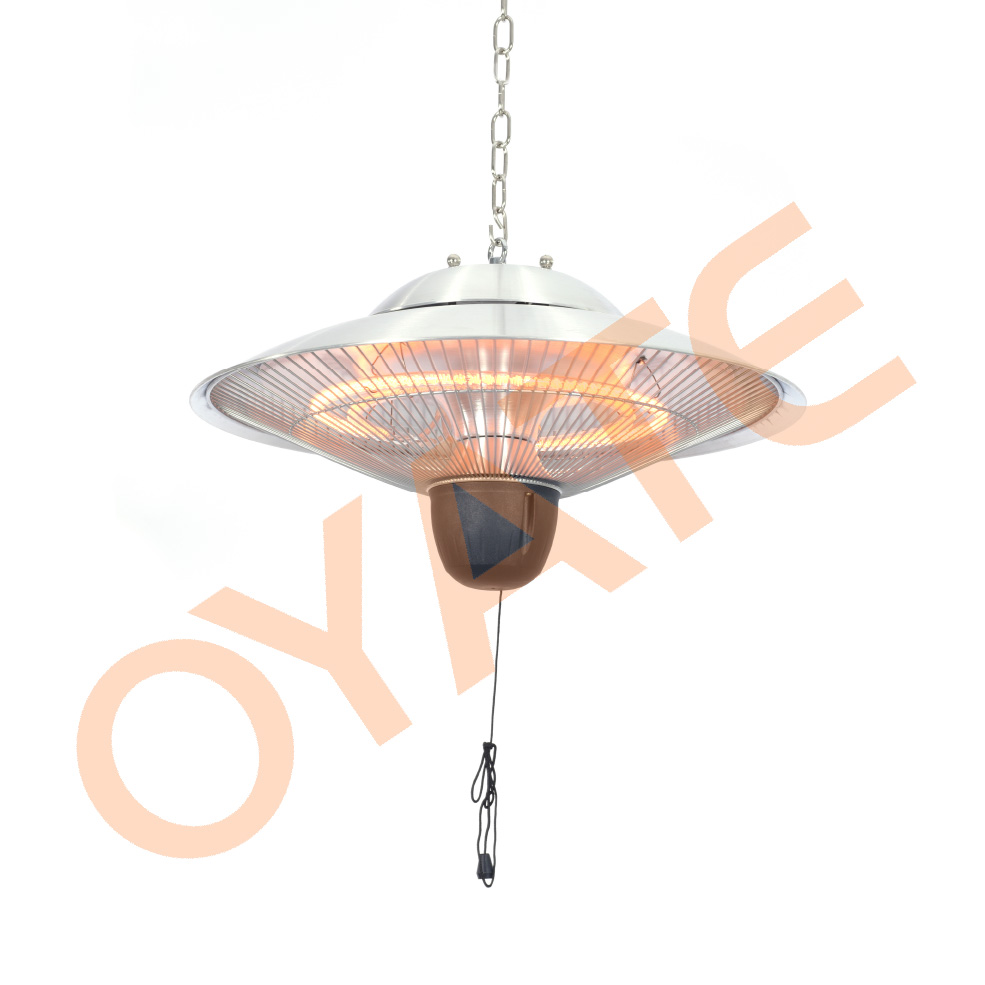
Let’s be honest: those old incandescent “heat lamps” in bathrooms are pretty outdated. If you’ve ever used one, you know the drill. You’re standing there waiting for the room to warm up, but your feet are still freezing while your head feels like it’s in an oven. It’s annoying. That’s why we’ve moved toward high-grade waterproof infrared heaters. It just makes more sense. Heat that actually hits you Here is the thing about traditional lamps: they try to heat the air. That takes forever. Infrared is different. It targets the surface—your skin or the mirror glass—directly. It’s a completely different feeling. Instead of waiting around, you get that warmth in seconds. It’s fast. Really fast. And that makes a huge difference when you’re trying to get out the door on a cold Tuesday morning. Dealing with the steam Bathrooms are basically torture chambers for electronics. Between the constant steam and the accidental splashes, most gear just gives up. You’ll see cheap units start to rust or flicker after a couple of winters because the internals are corroded. To stop that, we use heaters with high IP ratings. In plain English? They’re sealed tight. The wiring and elements are protected from the moisture, so you don’t have to worry about the unit dying just because things got a bit steamy in there. A quick tip on maintenance We use quartz glass tubes because they’re tough. They can jump from room temperature to 500°C without cracking. But there’s a catch. You’ve got to keep the glass clean. If soap residue or dust builds up on the tube, it creates “hot spots.” Over time, that stress can burn the glass out. A quick wipe-down every now and then keeps everything running smoothly. Getting it installed The best part is that you don’t need to rip your walls open to make this work. These are designed to slide right into the spots where old light-warmers used to live. The wiring is straightforward and fits most standard setups, so you get a lot more heat without needing a whole new electrical panel. Just make sure your GFCI is wired up correctly to handle the load, and you’re good to go.