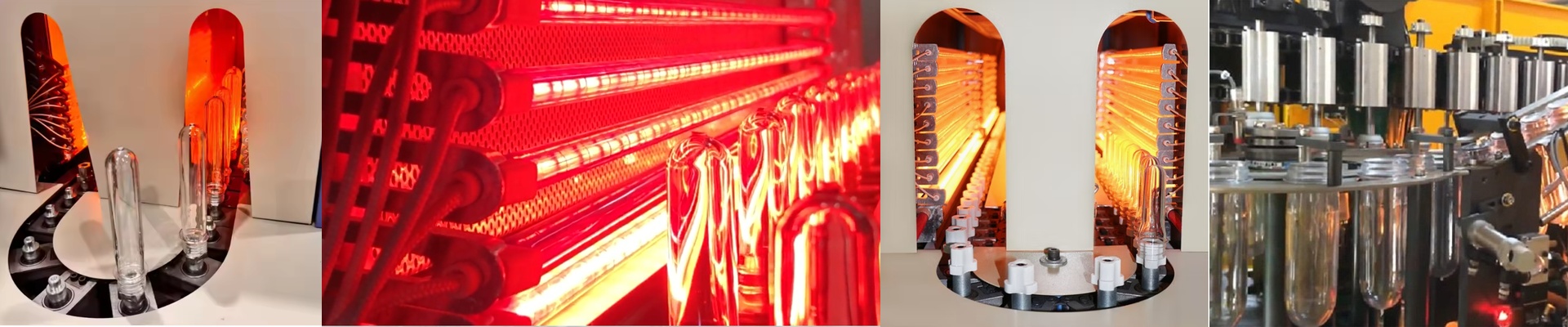

High-Power IR Heaters for High-Bay Environments
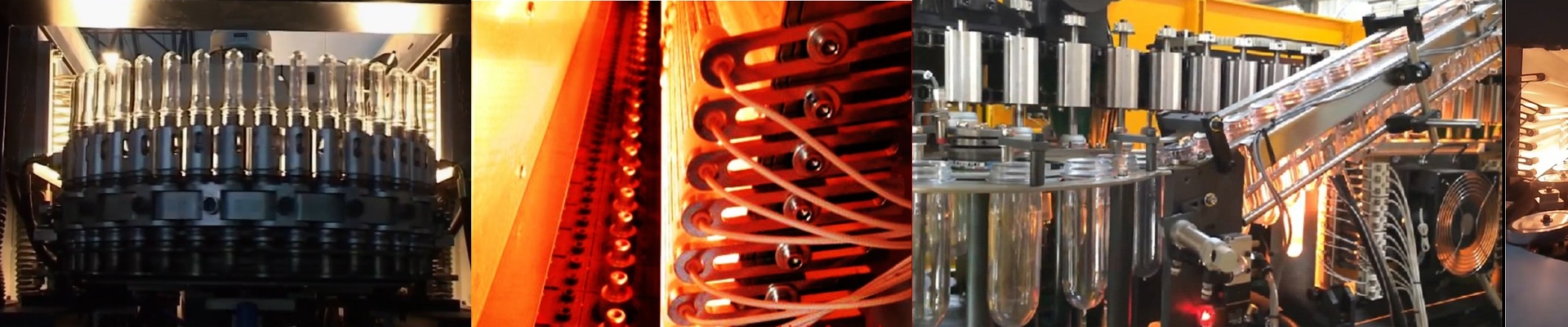
Ever been in a factory with giant ceilings? The kind where the heat rises and vanishes, leaving the floor—and the people—in the cold? Here’s the thing: heating all that empty air is a waste. That’s why we lean on radiant heat. Our high-bay heaters use shortwave infrared tubes to put the warmth right where it matters—on the machinery, the workpieces, and the people. It’s direct, line-of-sight comfort that keeps processes steady and workers happy, without throwing energy at the ceiling. And these units are built to stay on the job. Tough environments, constant use—no problem. They’re meant to work hard, day in and day out.
Power, Voltage, and Geometry—The Real Talk
We design these heaters to pack a lot of heat into a small footprint. The geometry and power are matched, like two puzzle pieces. Take our 300mm tube, for example—it’s rated for 2500W and runs on 400V. Why 400V? Because at that voltage, you get the same wattage with lower current. That means smaller wires, less stress on contacts, and less voltage drop over longer runs. In practice, you can group heaters and wire them up without needing to oversize the whole electrical feed. But there’s a trade-off: heat management. A 400V, 2500W tube throws off serious local heat. So you need to give the surrounding equipment room to breathe. If a control panel or machine enclosure is too close, ambient temps climb—and protection devices start tripping. Plan your mounting and airflow first. Then you wire it.
The Weak Point? Usually the Wires. Here’s How We Fix It
When high-temperature failures happen, they rarely start at the heating element. They start at the connection. So we seal the leads the right way. Think high-temperature ceramic and compression fittings, locking the internal conductor away from dust, moisture, and the constant push-pull of thermal cycling. This stops the two usual troublemakers—insulation breakdown and oxidation—from taking hold at the joint. And the connectors matter, too. We use R7s and SK15 terminals because they’re built for heat and vibration. R7s gives you spring-loaded contact that stays firm as parts expand and contract. SK15 locks down securely with a tool, so it doesn’t loosen when the plant is shaking. The result? The joint holds, even when the heater cycles hot and cold, again and again.
Where It Shines—And What It Feels Like to Own
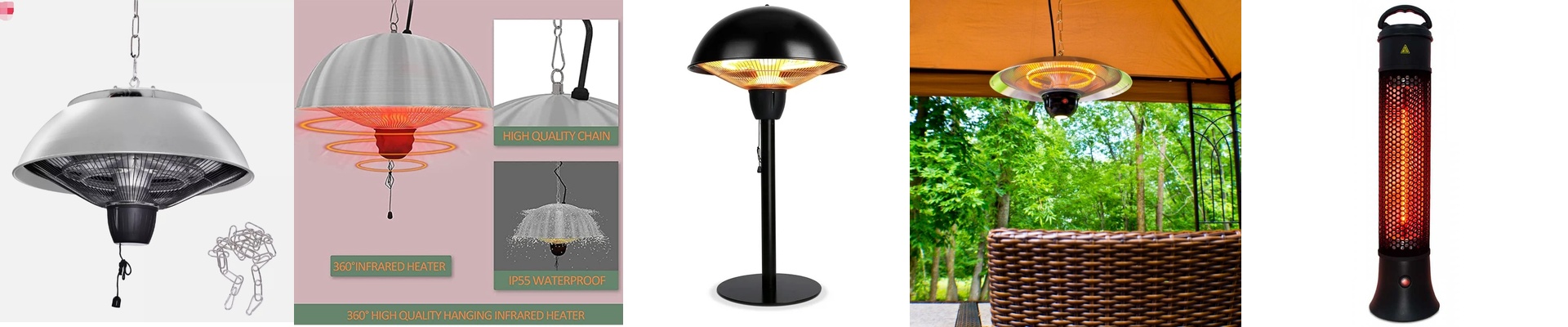
These heaters were made for high-bay factories: overhead heating near production lines, spot warmth at workstations, and freeze protection around critical equipment. The sealed leads and tough terminals mean fewer maintenance calls caused by aging in high heat. And the 400V setup makes distribution simpler. You get a unit that specs clean, wires up fast, and takes a beating without giving up at the connection. That’s the whole point: keep the heat where it needs to be, keep the electrical joints solid, and keep your plant running.