Why We Built Our Heaters to Be Swappable
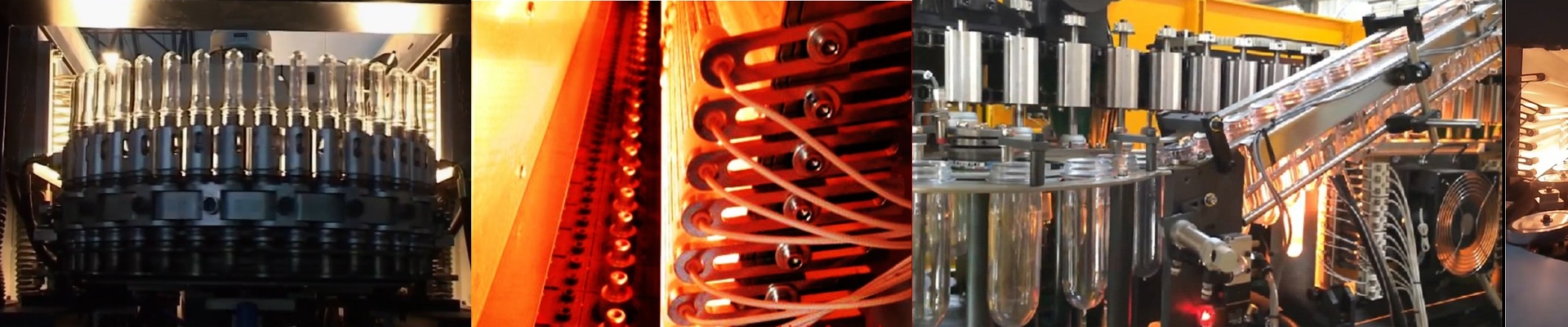
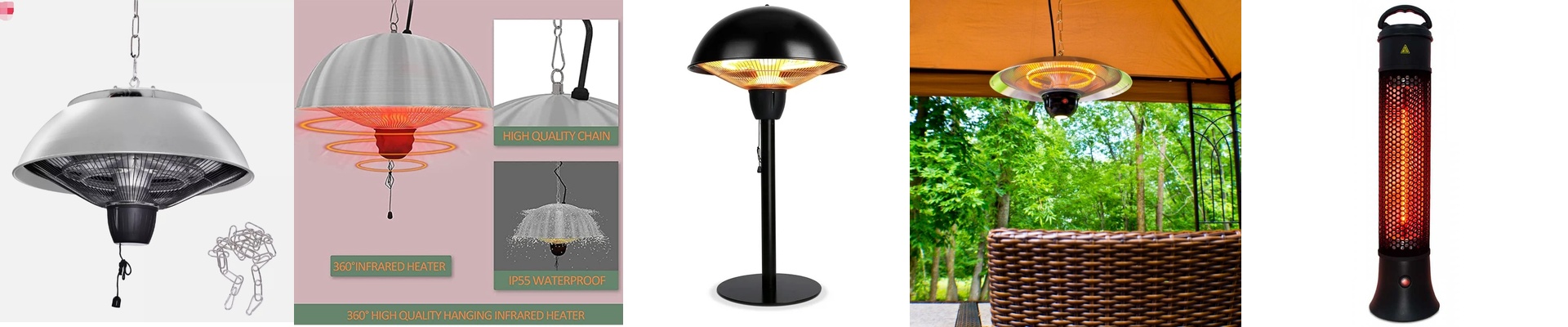
Let’s be honest: outdoor bars and patios are brutal on equipment. Between the humidity and the constant temperature swings, heating elements eventually give up. It’s just physics. The problem is that most patio heaters are built like a sealed box. When one tube burns out after a few years, you’re usually stuck with two bad options: throw the whole expensive unit in the trash or spend a miserable afternoon tearing the entire chassis apart just to fix one small part. We thought that was ridiculous. So we did things differently. The “Plug-and-Play” Approach We designed our infrared heaters with a modular setup. Instead of hard-wiring everything, we use standardized connectors. If a tube dies after five years of hard work, you don’t have to touch the control board or mess around with rewiring. You just unplug the dead module and drop in a new one. It turns a multi-hour repair headache into a job that takes a few minutes. To help them last longer in the first place, we use quartz glass with a special coating to fight off corrosion. It helps a lot, but we know that eventually, every filament has a breaking point. The Catch (Because there’s always one) Now, being honest, modular connectors mean there are more contact points than if we just soldered everything together. That means you have to be careful during the swap. If you pinch a waterproof gasket or don’t seat the seal properly, moisture can sneak into the electrical terminals. It’s a simple fix, but you can’t just jam it in there—you’ve got to make sure it’s tight. Stop Buying Disposable Gear The goal here was to stop treating heaters like disposable appliances. You don’t need a specialized technician or a soldering iron on-site. Your maintenance person can handle a swap with basic hand tools. It’s a straightforward mechanical switch that keeps your patio warm without the drama of a full system replacement.