Why “Explosion-Proof” Quartz Actually Matters in Your Bathroom
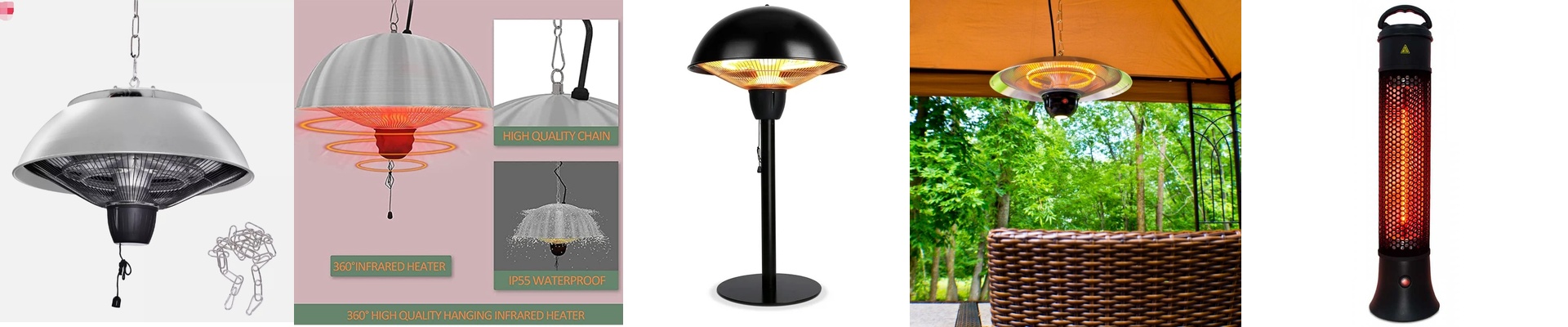
Here is something most people don’t think about when they’re picking out a bathroom heater: the IPX5 rating. You’ll see it on the box, and it basically means the outer shell is sealed tight enough to keep water jets from frying the electronics. But that rating doesn’t change the laws of physics. Imagine a quartz tube glowing red-hot. Now imagine a single, cold drop of water hitting it. That’s called thermal shock. In a normal piece of glass, that’s a recipe for a disaster—it can shatter in a heartbeat. That’s exactly why we use explosion-proof quartz. Dealing with the shock Standard quartz is pretty tough, but it has its limits. In a steamy shower, the temperature difference between the heating element and a stray droplet is massive. It creates this intense, localized tension. We use tubes that have gone through a special tempering process or have a protective coating. The goal is simple: if the glass does fail, it won’t just splinter into a million shards. We build them to keep the filament contained, no matter what. Speed vs. Spray Getting that IPX5 rating means we have to be obsessive about the seals and wiring. But the heating lamp is still the part that takes the most abuse. To fix this, we spec lamps that pack a lot of heat into a tiny space. Why? Because the faster the heater gets up to temperature, the less time there is for condensation to build up on the glass. It’s all about shrinking that window of vulnerability. The honest trade-off Now, there’s a catch. When you add those protective coatings or make the quartz walls thicker for safety, you lose a tiny bit of heat penetration. You might not feel quite as much “raw” heat as you would with a thin, bare tube. But honestly? We’re fine with that. I’d much rather lose 5% efficiency than have a glass tube pop in someone’s ceiling. Just do me a favor: make sure your housing vents stay clear. If the heat gets trapped, it’ll bake the seals, and your fancy IPX5 rating won’t mean a thing.