Why You Can’t Mess Around With Temperature in a Bread Oven
If you’re just starting out with baking, you’ve probably had a few disasters. Most of the time, it’s not your dough—it’s the heat. See, a great bread oven isn’t just about hitting a number on a screen. It’s about staying there. When you’re using something powerful, like a sterilizing-grade heat lamp or an infrared quartz element, the heat hits fast. Like, really fast. If your controller slips by even 5 or 10 degrees, you’ll end up with a burnt crust and a center that’s basically raw dough.
The trick to fast heating
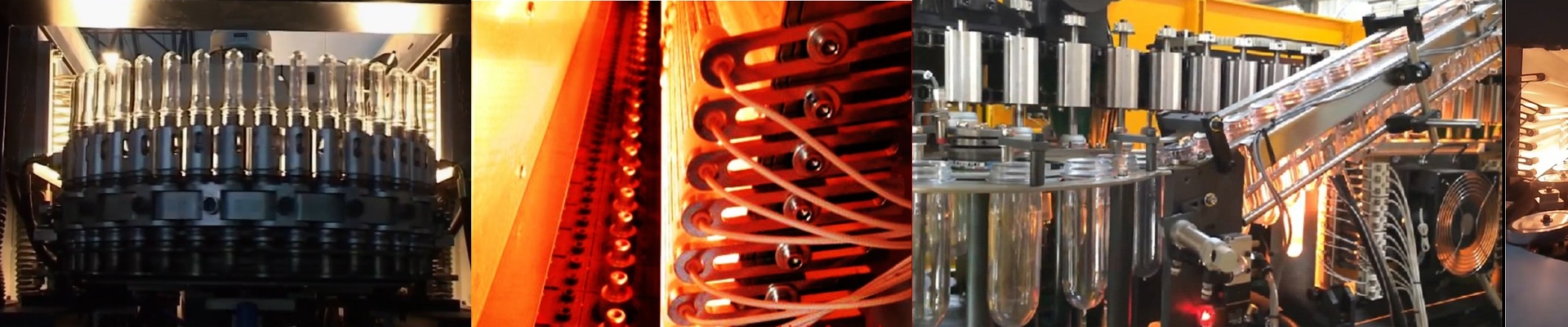
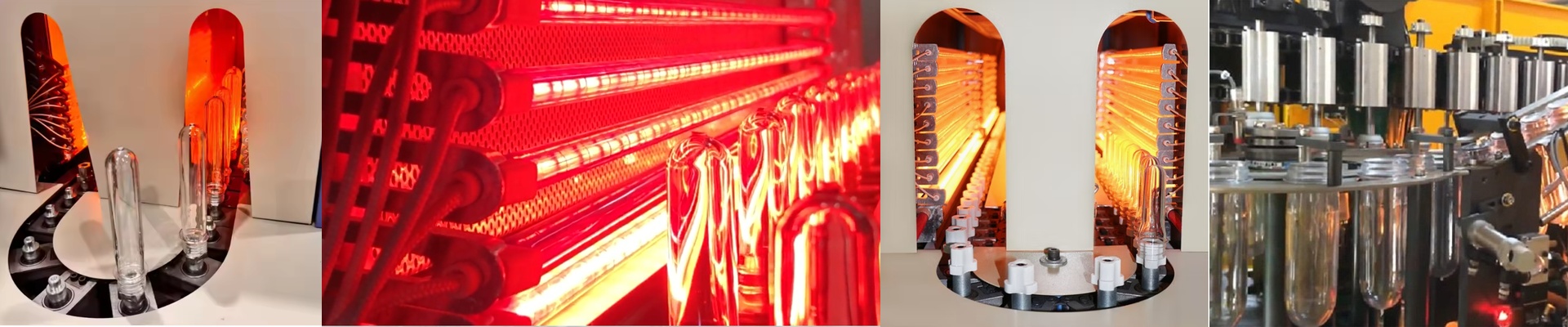
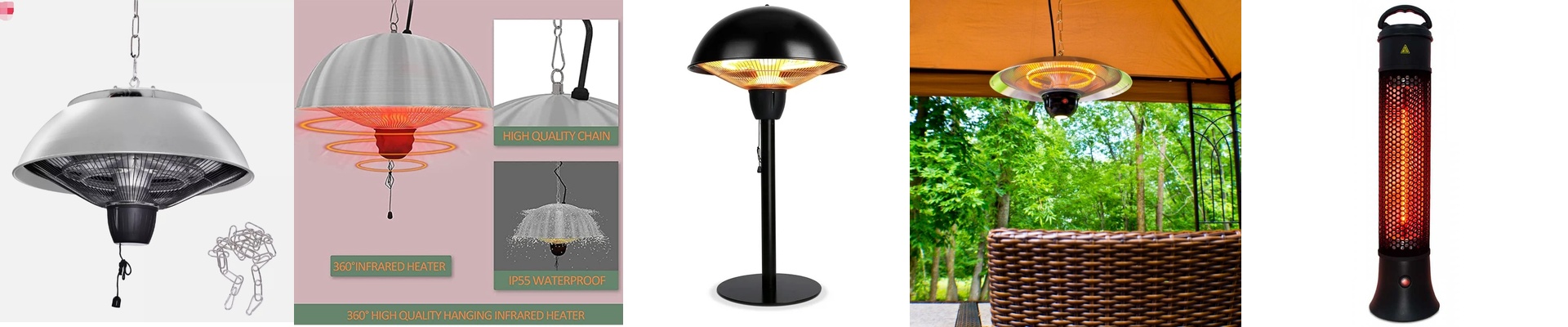
We use short-wave infrared emitters because they don’t waste time heating up the air first. They go straight for the dough. But that speed is a double-edged sword. You need a PID controller that’s sharp enough to stop the heat from “overshooting” the mark. If the lamp stays at full blast for too long while warming up, you’re not just risking the bread—you’re cooking the quartz tube itself, which kills the lamp’s lifespan. You want a system that can throttle the power the second you hit your target.
Watching out for hot spots
Quartz glass is the go-to here because it can handle being blasted with heat and then cooled down without cracking. But you have to be careful with the math. If you cram a high-wattage lamp into a tiny oven, you get “hot spots.” You’ll pull out a loaf that’s charred on one side and doughy in the middle. It’s all about balancing the wattage with the actual size of the oven so the heat spreads evenly.
The trade-offs
Getting this kind of precision isn’t free. To keep those temperatures flat and steady, you need high-accuracy sensors and Solid State Relays (SSRs) that can switch power on and off in a heartbeat. Just a heads-up: the faster you cycle that power, the more stress you put on your wires. Make sure your wiring can actually handle the peak current. Otherwise, you’re looking at burnt-out terminals, and that’s a headache nobody wants in their kitchen.