Picking the Right Replacement Heating Tubes for Your Snack Oven
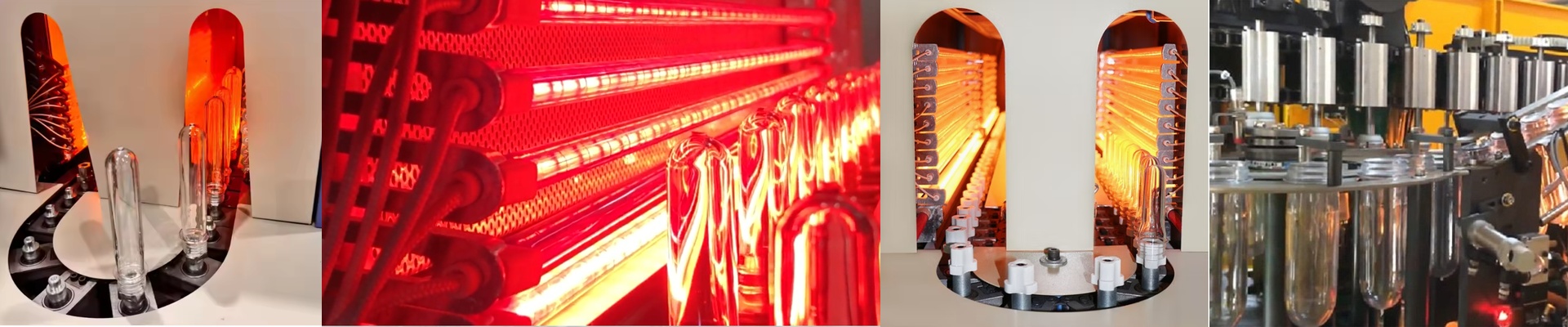
Let’s be honest: OEM heating lamps for imported snack machines are ridiculously expensive. When yours finally burn out, you don’t want to spend a fortune just to get your oven running again. You just need a replacement that fits and cooks the food exactly the same way. But here is the catch. You can’t just grab the cheapest tube you find online and hope for the best. The Voltage Trap Most of these machines use high-wattage quartz glass to blast infrared heat into your snacks. If you’re shopping for an alternative, you have to get the voltage and wattage exactly right. I’ve seen people try to run a 230V tube on a 110V circuit. It doesn’t work. Your snacks stay raw in the middle, and you’re left staring at an undercooked mess. On the flip side, if you over-volt a tube? It’ll pop and burn out in a matter of days. Even a tiny 50W difference matters. It sounds like nothing, but it can totally mess with how the heat hits your oven rack. Materials and the “Fit” Most of these are halogen-filled quartz. That’s what makes them heat up so fast. But pay close attention to the connectors—whether you’ve got R7s or SK15 pins. They need to be snug. If the connection is loose, you get “arc points.” Translation: the connection sparks and literally melts your housing. Not a great look. We sometimes use a special coating on the quartz to change how the heat hits the food. It helps the heat soak into the snack instead of just scorching the outside. It gives you a beautiful brown color. Just keep in mind that these coated tubes don’t last quite as long as the clear ones. You’re basically trading a bit of lifespan for a better bake. The Reality of Installation Swapping these out is pretty simple, but the margins are tight. Grab a caliper and measure. If the tube is even 2mm too long, it’s not going into the socket. Too short? You’ll get cold spots in your oven, and your product will come out uneven. And one last thing: check your wiring. Make sure it can handle the current draw. There is nothing worse than hitting peak production only to have your breakers trip because the wiring can’t keep up.