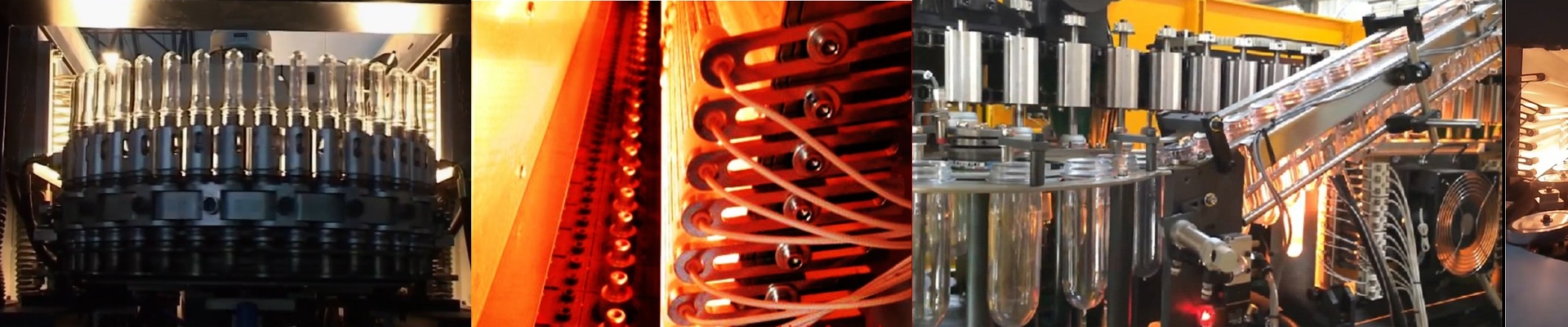
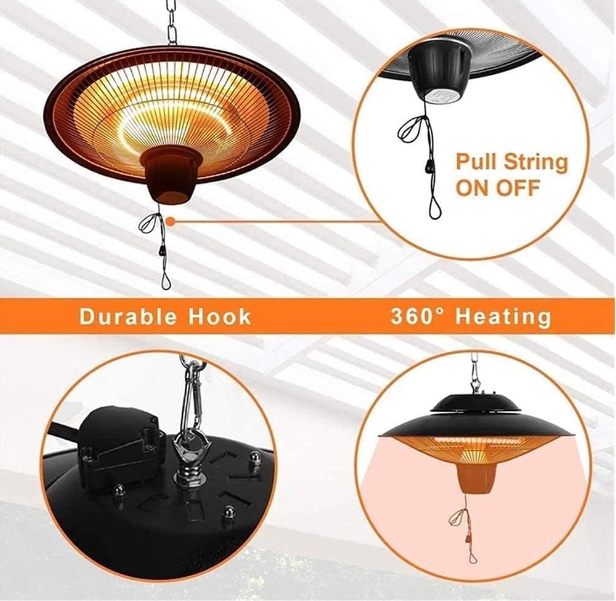
Let’s Talk About Why We “Torture” Our IP44 Infrared Heaters
Bathrooms are basically a nightmare for electronics. Think about it: you’ve got thick steam, random water splashes, and temperatures that swing from freezing to boiling in minutes. When we say a lamp is IP44-rated, it doesn’t mean it’s just “waterproof” and done. It’s more like a constant fight to keep the seals from giving up. The battle against the steam IP44 is great—it keeps out small objects and handles splashes from any angle. But here’s the thing: seals shrink. Plastics warp. Over time, the humidity just eats away at everything. That’s why we put every batch through “damp-heat aging.” We basically lock them in a sauna for days. Why? Because if a seal fails, moisture creeps in and hits the high-voltage terminals. And that’s how you get a short circuit or a heater that just dies way too soon. The “breathing” problem Infrared lamps get incredibly hot. We’re talking 500°C. Imagine a humid room where a lamp goes from ice-cold to scorching in seconds. The materials expand and contract at different speeds. It creates this “breathing” effect that can actually suck moist air right into the guts of the circuitry. We test for this specifically. We want to make sure the gaskets don’t crack under that pressure. We aren’t chasing some impossible “perfect” seal—we just want a seal that actually lasts for the entire life of the lamp. The balancing act There’s a catch, though. If we just wrapped the whole thing in thick rubber to make it waterproof, the electronics would fry from their own heat. No airflow, no survival. So, we have to find a middle ground. You get a unit that’s safe and splash-proof, but you’ve got to give it some breathing room during installation. Just make sure there’s enough space around the unit for the heat to escape. We don’t like guessing games when it comes to how long a product lasts. We bake these units in humidity chambers until they actually break. Once we know exactly where the breaking point is, we pick better materials. That way, you don’t have to worry about your heater quitting on you six months after you’ve wired it into the wall.