Getting Your Sidel Matrix Heaters Right: Why “Close Enough” Isn’t Enough
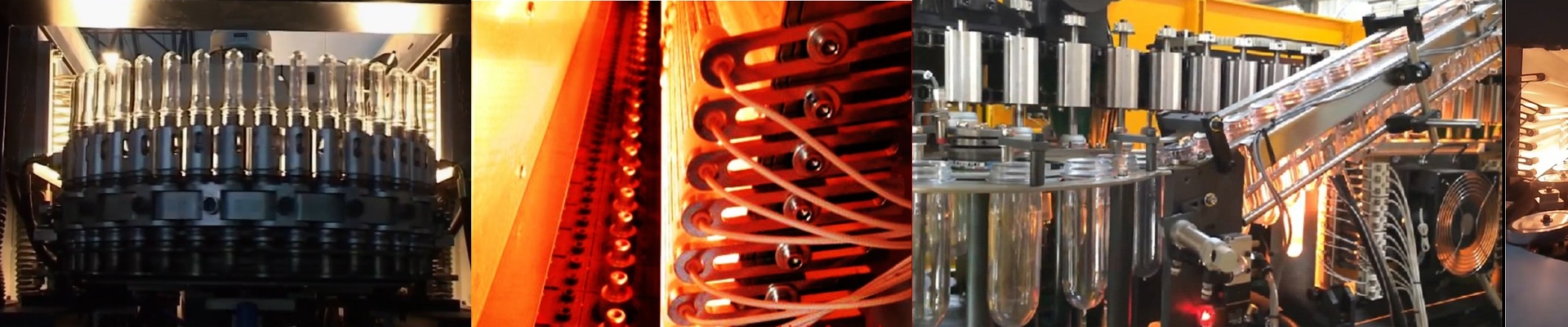
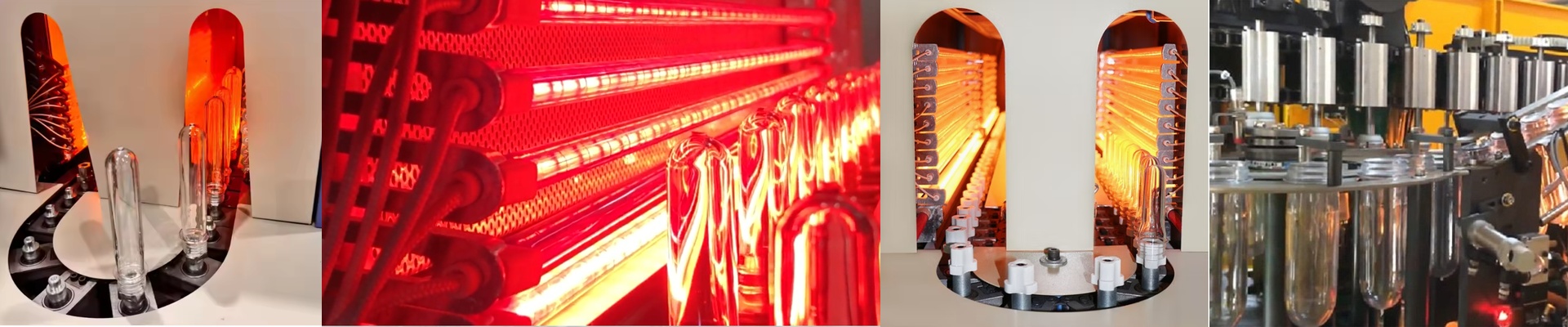
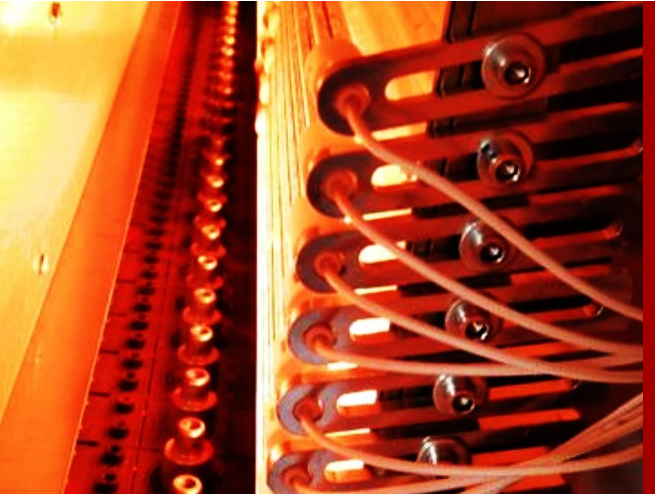
Here is the problem when you swap out OEM lamps in a Sidel Matrix oven: the temperature ramp-up curve is finicky. If your wattage or spectral output is even a tiny bit off, you’re in trouble. You’ll end up with uneven heating, which means thin walls or that annoying pearlescence in your PET bottles. Nobody wants to spend their shift fighting with bottle quality. Matching the DNA of the Lamp We don’t just make lamps that “fit” the slot. That’s too simple. We build ours to 1:1 specifications. What does that actually mean? It means we match the exact voltage and wattage density of the original Sidel parts. If the original spec asks for a specific shortwave output, we tweak the tungsten filament and the quartz envelope thickness until the thermal footprint is an identical match. The goal is simple: your heating zones should act exactly the way they did the day the machine arrived at your plant. No Hacks, No Rewiring We use high-purity quartz glass because it stays clear longer. There’s nothing worse than a lamp that clouds up prematurely. These are true drop-in replacements. The electrical terminals and the physical size match the Sidel housing perfectly. You won’t have to mess with the reflectors or spend hours rewiring the oven. We use standard connectors to keep the fit tight, which stops those frustrating arc-overs or voltage drops at the contact point. It just works. A Quick Heads-Up on Airflow Now, a word of caution. High-density infrared lamps put out a massive amount of heat. That’s great for the preform, but it’s a lot for your ventilation to handle. If your cooling blowers are clogged or on their last legs, these lamps will basically bake your surrounding components. Keep your airflow clean. Your lamp sockets will thank you. The best part? You don’t have to spend days diving into the PLC settings to recalibrate your heating profiles. You just wire them in, run your usual cycle, and the temperature curve stays right where it belongs.