How to speed up your baking line without adding more ovens
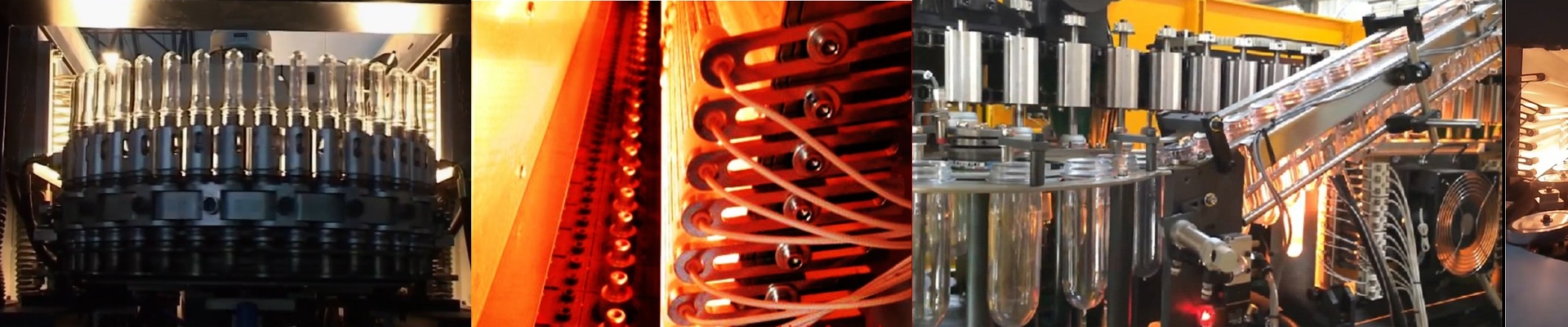
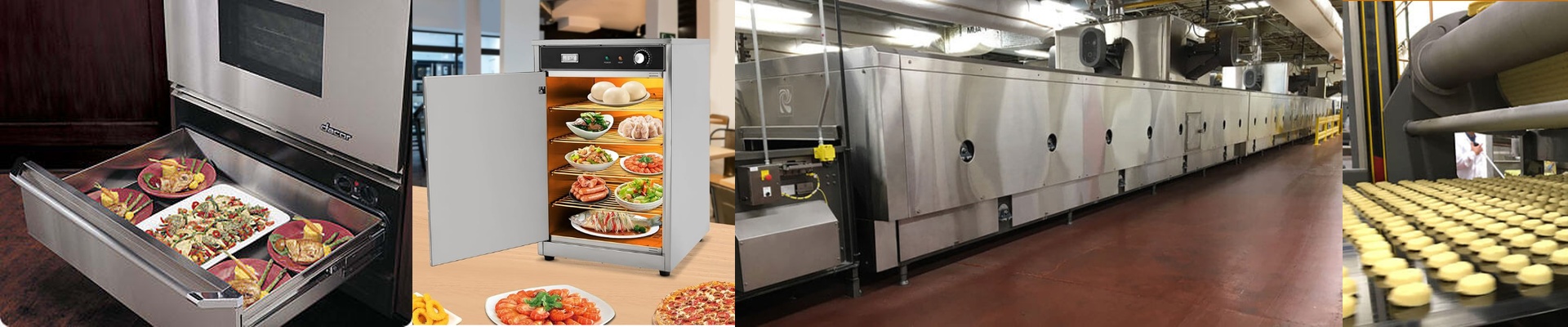
Let’s be honest: standard convection ovens are usually the biggest bottleneck in a bread line. You want to push more pieces per minute, but you don’t have the floor space to just keep adding more conveyors. The trick isn’t to heat the air around the bread. That takes too long. Instead, you heat the bread itself. That’s where our quartz ceramic infrared heaters come in. Why this actually works Traditional heaters are slow. They have to warm up the whole oven cavity before anything happens. But quartz infrared lamps work differently. They shoot out short-wave radiation that hits the dough the second it enters the zone. It’s instant. By packing a lot of power into a slim quartz tube, we create a heat source that cuts down browning and curing times significantly. You aren’t waiting around for the air to get hot; the heat just sinks right into the product. Getting the hardware right If you’re trying to crank up your line speed, you need the right wattage. We look at your plant’s power grid—whether you’re on 220V or 380V—and match the tubes to fit. The more wattage per millimeter, the more heat you’re pushing into the bread. We use high-purity quartz glass because it doesn’t warp when it gets blasted with heat over and over. And if you’re doing breading, we usually suggest coated elements. This shifts the heat to a medium-wave range, which is a lifesaver if you’re tired of the crust scorching before the middle is even cooked. The reality of installing them These are designed as drop-in replacements. If you’ve got old, clunky ceramic blocks, you can swap them out and get wired up quickly. It keeps the downtime to a minimum. But here is the catch. High-density quartz heaters put out some serious, localized heat. If you push the wattage to the limit to hit those faster cycle times, your conveyor belts and housing gaskets are going to feel it. They’ll take a beating. Make sure your cooling fans are actually up to the task. If they aren’t, you’re looking at melted wiring harnesses, and nobody wants to deal with that on a Tuesday morning.