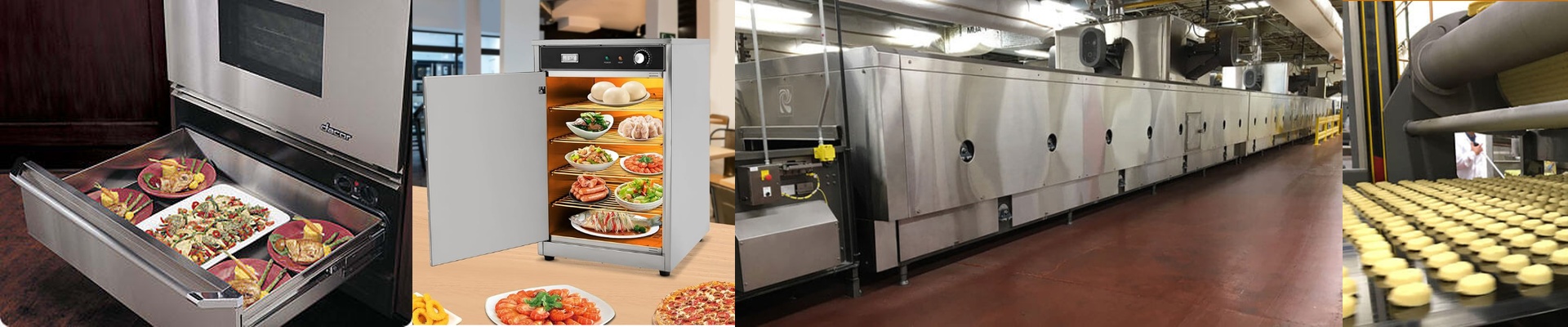
In a busy kitchen, a griddle that’s slow to come up to temp isn’t just idle time. It pushes the first order back, makes the line rush, and sets you up for uneven cooking once the surface finally settles. Preheat delays and hot spots hit ticket times and consistency hard—especially when your prep depends on steady heat from a deck oven, rotary oven, or convection oven for pans and plates.
What matters under the hood
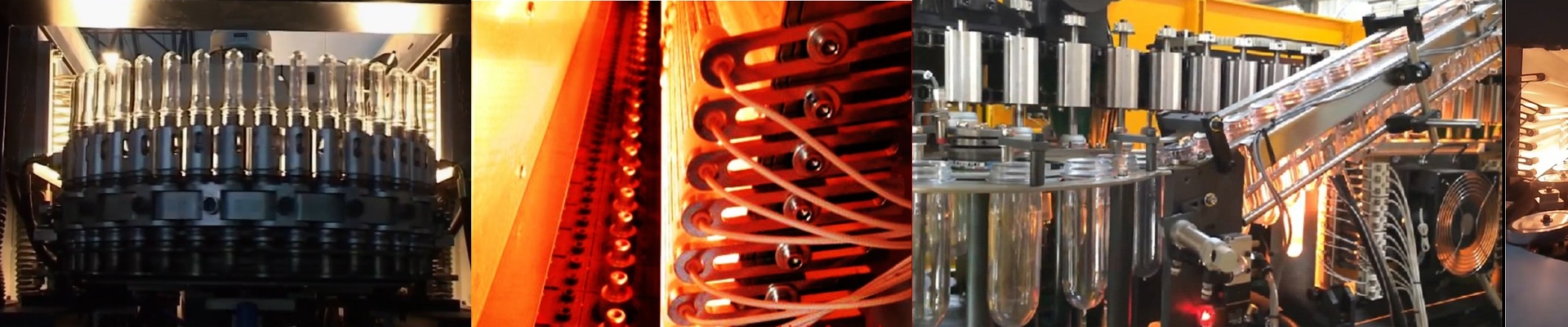
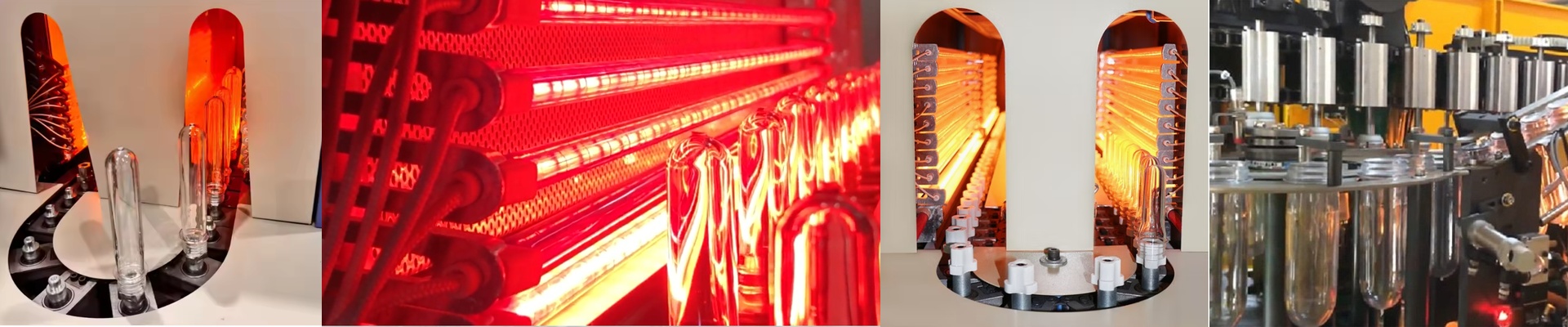
A curing ceramic heater for griddles is built around a ceramic-insulated heating core that couples tightly to the griddle plate. That direct contact gives you rapid heat transfer and a surface that holds steady. In typical commercial setups, you get fast recovery and tighter temperature control, backed by a thermostat interface and standardized mounting and wiring that match common griddle cutouts. The curing process stabilizes the ceramic itself, cutting down micro-cracking through repeated thermal cycling, so the element stays consistent over long service.
Why this actually helps on the line
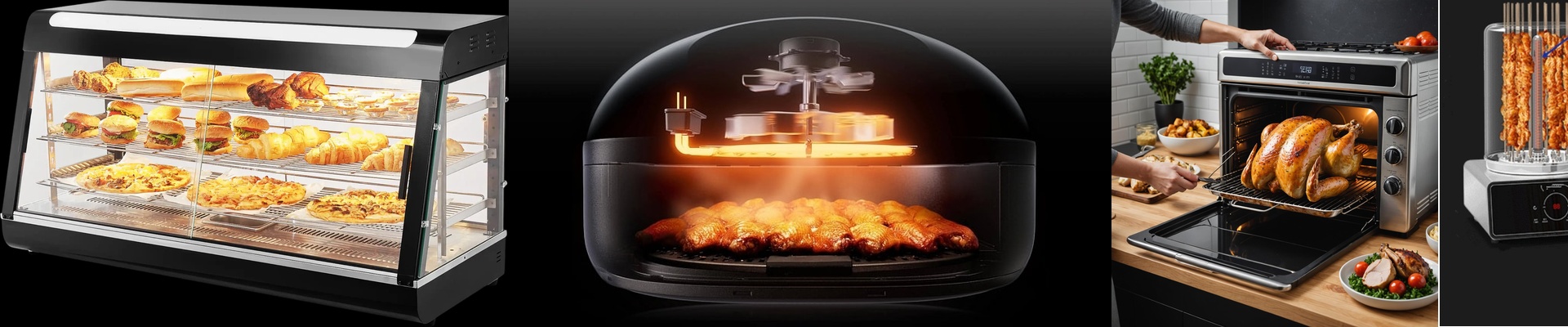
This heater gets the griddle into a reliable working state sooner. Preheat times drop, so the first breakfast rush doesn’t start in the hole. Once it’s hot, the plate runs more evenly—fewer overdone edges and undercooked centers. You get better crust control on griddled breads, more consistent caramelization on proteins, and repeatable results through a full service. The improved thermal stability also matters when you’re staging pans for finishing in a convection oven or holding items hot without drying them out. Ticket times stay tight, and the quality doesn’t drift.
The details that make it work
Installation is straightforward, but you have to match the heater to the griddle’s voltage, wattage, and mounting dimensions. Make sure the griddle’s thermostat is calibrated to the element’s response curve. Expect a slightly longer warm-up on the first cold start of the day, and plan routine cleaning to keep the contact face free of grease buildup. When everything lines up, the curing ceramic construction takes daily thermal shock in stride—giving you dependable heat, shift after shift.