Stop Tossing Your Bakes: Killing the “Cold Spot” Problem
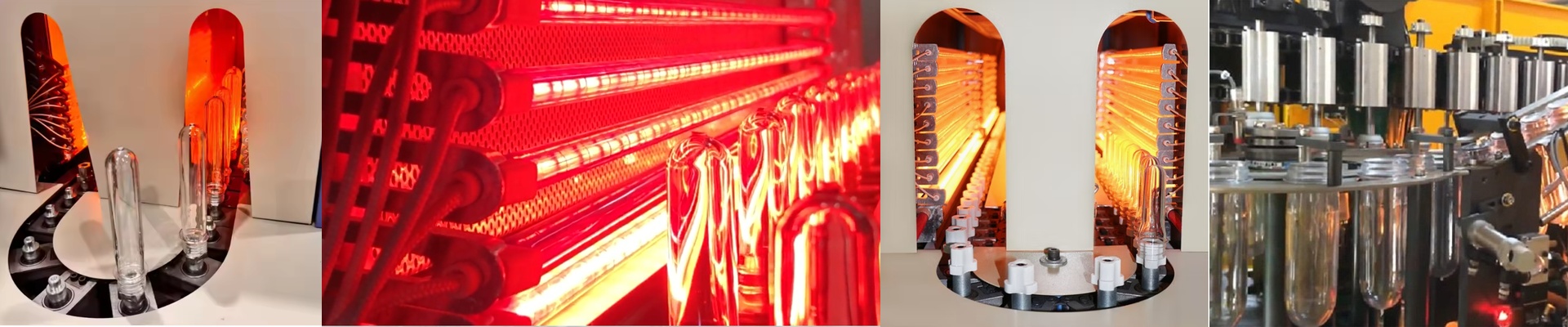
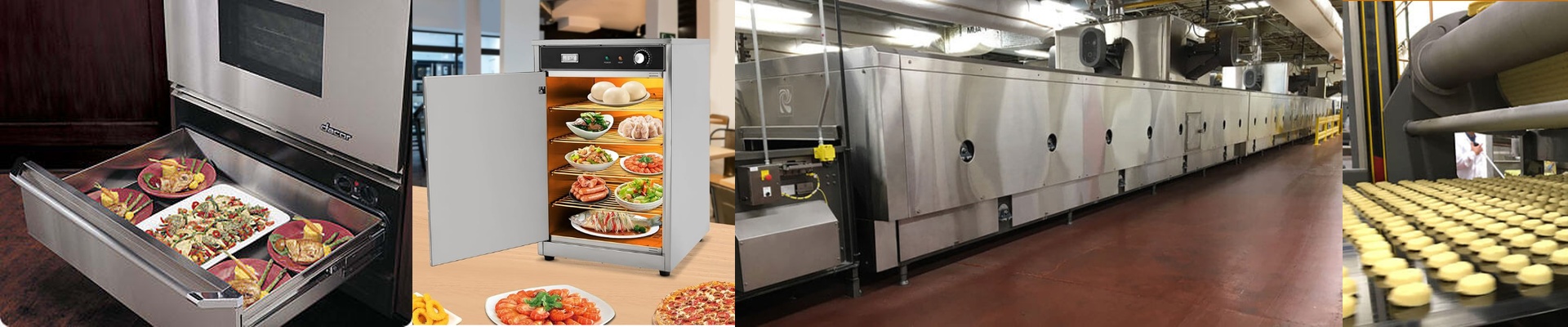
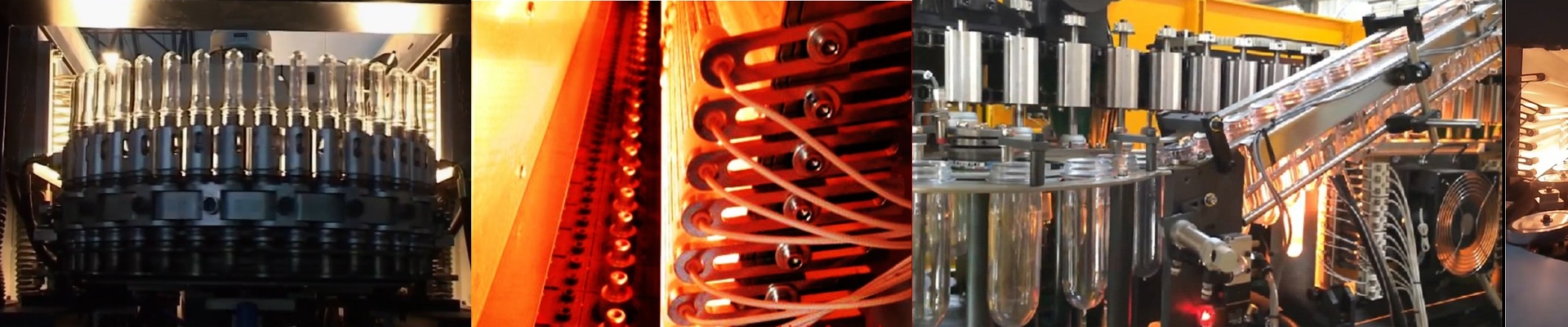
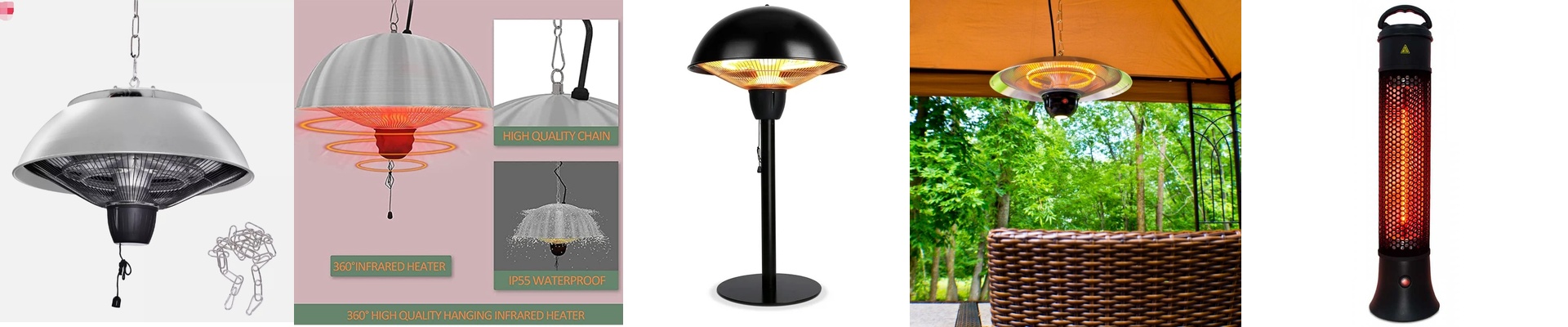
There is nothing more frustrating than pulling a tray out of a commercial oven only to find that the edges are burnt to a crisp while the center is still raw. It’s a nightmare. You end up throwing away a huge chunk of your product, and that’s literally money hitting the trash can. The problem is usually a thermal balance issue. To fix it, we use infrared ceramic heat lamps. Here is the secret: convection relies on moving air, but infrared radiation goes straight to the product. It doesn’t play around with the air in between; it just hits the dough.
Getting the Heat Right
We use ceramic lamps because they emit long-wave radiation. In plain English? They provide a steady, deep heat. This is huge for bakeries because it prevents that annoying problem where the outside of your bread dries out and hardens before the middle actually cooks. Plus, we set these up in zoned arrays. This means if you know the back-left corner of your oven is always a bit chilly, you can target just that spot. You get a perfectly even bake without having to crank the heat up for the whole oven and risking a burnout.
Built for the Mess
Bakery environments are tough. You’ve got constant steam, humidity, and flour dust getting everywhere. That’s why we wrap these elements in high-grade ceramic. It acts like a shield. Standard coils usually fry themselves pretty quickly when oil and flour dust settle on them, but the ceramic housing keeps the internals safe. They just last longer. One quick tip on the technical side: watch your wattage. A higher watt-density lamp will heat things up faster, but it puts a lot more pressure on your power supply. Just make sure your wiring can handle the constant draw so you don’t deal with voltage drops mid-shift.
The Trade-offs
Moving to infrared means you can lean less on your fans. This is a win for anyone making delicate pastries, as it cuts down on the air turbulence that can warp your shapes. But, there is a catch. Ceramic lamps don’t snap on instantly like quartz halogen tubes do. They take a minute to warm up. You’ll need to build that pre-heat time into your morning routine. The upside? Once they’re hot, they stay hot. The ceramic holds onto that thermal mass, so when you swing the oven doors open to load a fresh batch, the temperature doesn’t just crash. It stays stable.