Stop Waiting on Your Oven: A Better Way to Get More Bread Out the Door
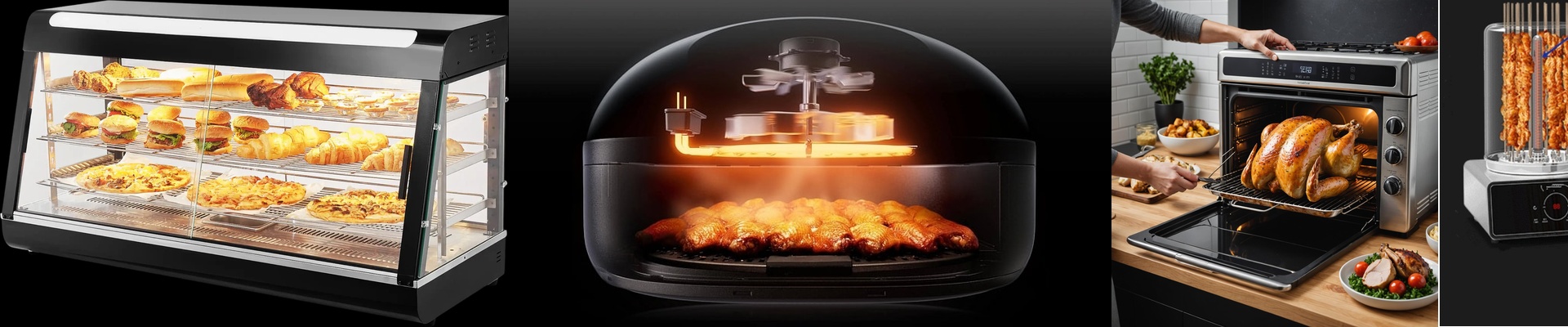
Most convection ovens have a frustrating habit: they’re slow to react. They spend all their time heating up the air, and that air takes its sweet time moving around. When you’re in the middle of a rush and need to ramp up the heat or keep a tight rhythm, that thermal lag is a nightmare. That’s why we use shortwave infrared (IR) emitters. Instead of heating the air and hoping for the best, IR puts the energy directly into the dough. It’s basically a shortcut.
How it actually works
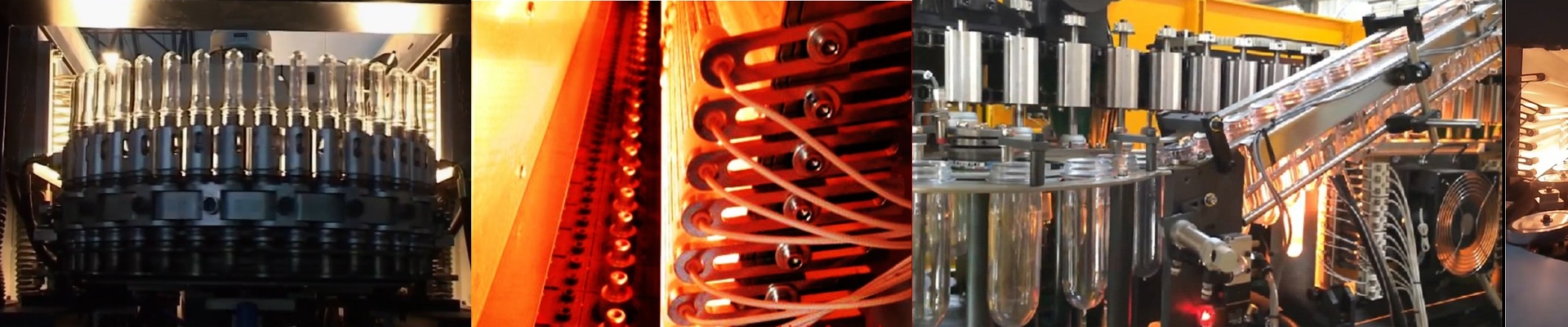
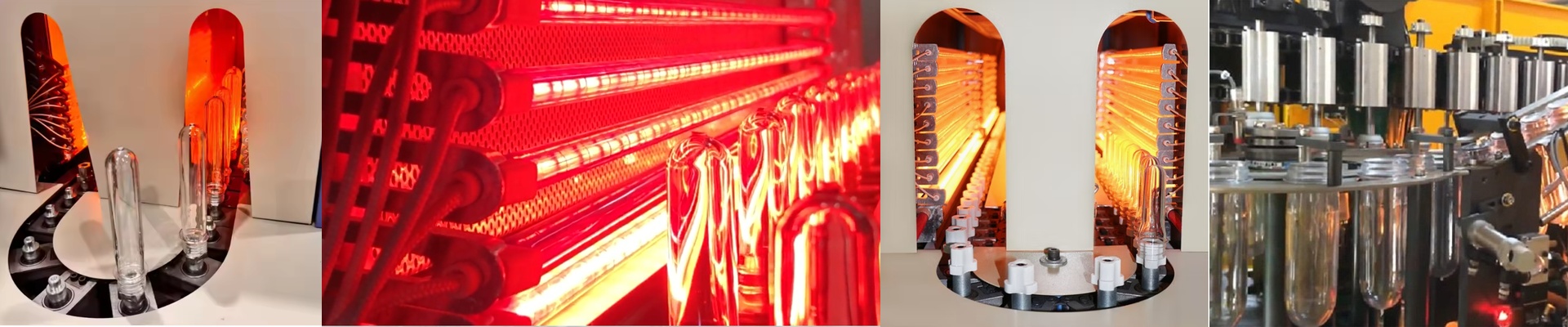
Think of it like a “flash” of heat. While your standard coils are humming along, IR emitters send out radiation that sinks right into the pastry. We usually set these up as auxiliary heaters. Your main oven handles the core temperature, but the IR lamps step in to handle the initial temperature spike or that perfect golden-brown finish. The result? You spend way less time preheating and your total cycle time per batch shrinks. You get more trays out of the oven, faster.
The nitty-gritty hardware
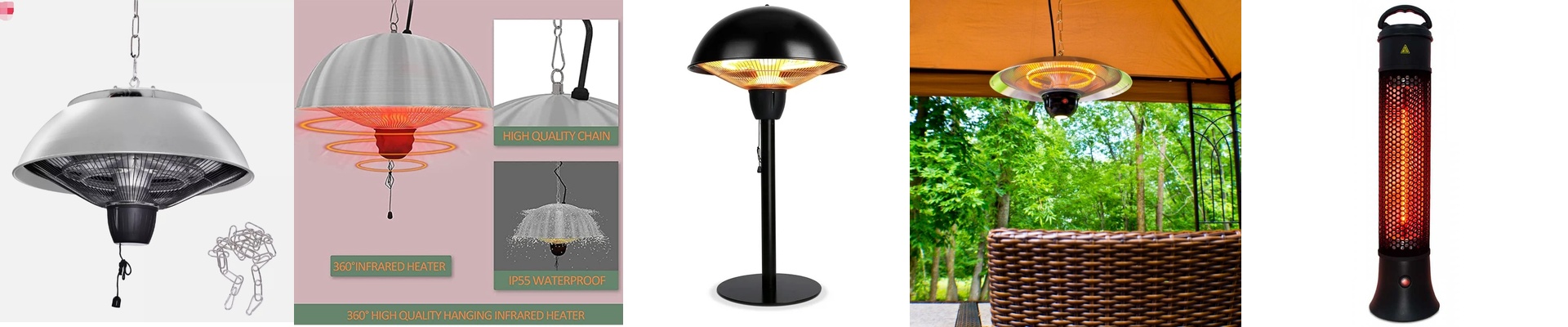
To get that kind of punch, we use high-wattage halogen filaments wrapped in quartz. We stick with the shortwave spectrum because food proteins and sugars just soak it up way better than longwave heat. On the floor, we use standard R7s or SK15 connectors. Why? Because when a lamp goes, you want to swap it out in seconds, not hours. One quick warning: if you’re pushing 2000W+ in a small tube, the heat density is intense. Just make sure your wiring and contactors can handle the current draw. You don’t want to find out the hard way by burning out your terminals.
Real-world talk: The trade-offs
Adding IR to your line is usually a simple modular add-on. It’s a great way to increase your hourly output without having to buy a bigger oven or find more floor space. But here’s the thing: IR is directional. It hits what it sees. If your product height varies—say, one batch of rolls is taller than the last—you’ll get uneven browning. You’ve got to get the distance between the emitter and the tray just right. Otherwise, you’ll scorch the top before the center even thinks about being cooked.