
3D Flame Electric Heater: 400V 2500W Halogen Infrared with R7s Termination
We built the 3D Flame heater for one simple reason: to pack a ton of infrared heat into a small footprint. This isn’t your everyday, all-purpose heater. It’s a focused powerhouse, built for industrial work that needs heat on demand and rock-solid consistency.
Power, Voltage, and Size—The Real-World Numbers
Let’s get into the details. This thing runs at 2500W, powered by a 400V supply. Why does that matter? Well, it makes your wiring life a whole lot easier. You don’t have to run huge, heavy cables to handle massive current, which cuts down on voltage drop across the machine. The 300mm tube concentrates all that power into a tight spot. So you get serious watt density without needing a giant mounting space. It heats up fast—like, really fast. But because it runs so hot, you’ve got to plan your cooling and clearances ahead of time.
The Inside Story: Halogen, Coating, and the R7s Connector
Inside, you’ve got a quartz tube filled with halogen gas. That gas does the heavy lifting, protecting the filament and keeping the output steady over time. The tube itself has a special coating, too. It helps spread the heat evenly, which prevents those hot spots that can lead to cracks when things heat up and cool down. And the R7s connector? That’s the kind of small detail that makes your day easier. It’s a double-ended connector that gives you a solid, reliable connection. When it’s time for a replacement, you can swap the lamp in seconds. It’s a straight drop-in replacement for most standard R7s heaters, so no need to rework the whole holder.
Where It Shines: PET Blowing and High-Density Work
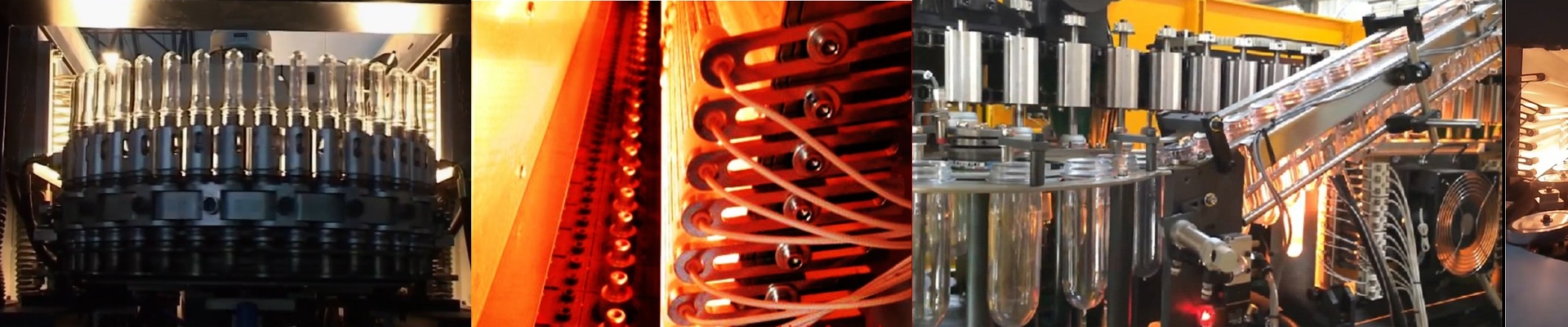
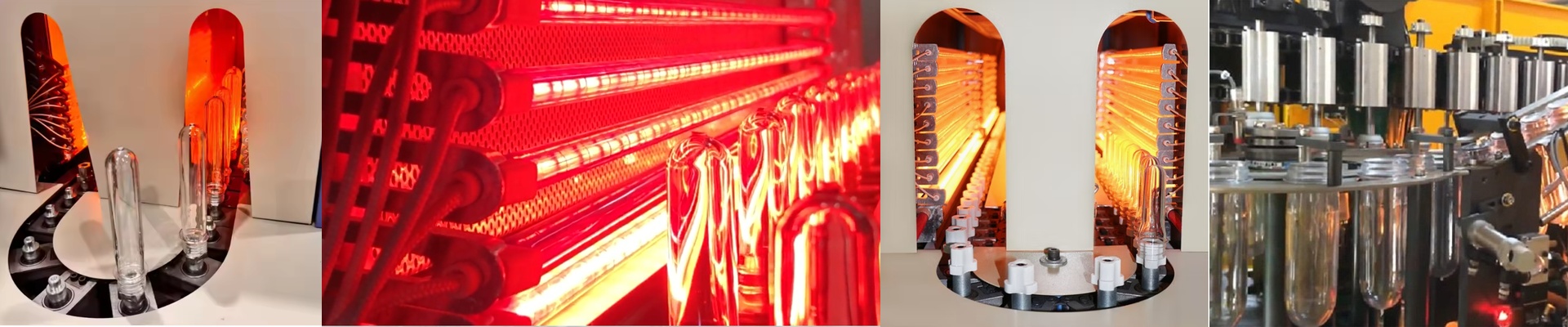
This setup is a go-to for PET blowing. You need intense, pinpoint heat to soften those preforms quickly and consistently. The 3D flame profile gives you better coverage across the surface, which helps cut down on cycle time and keeps temperatures even. Just keep one thing in mind: with 2500W of power, you need a solid plan for thermal management. Make sure your airflow, shielding, and temperature controls are all on the same page. It’s a lot of power, but when you’ve got the right setup, it’s exactly what you need.