

The Power Behind the Warmth
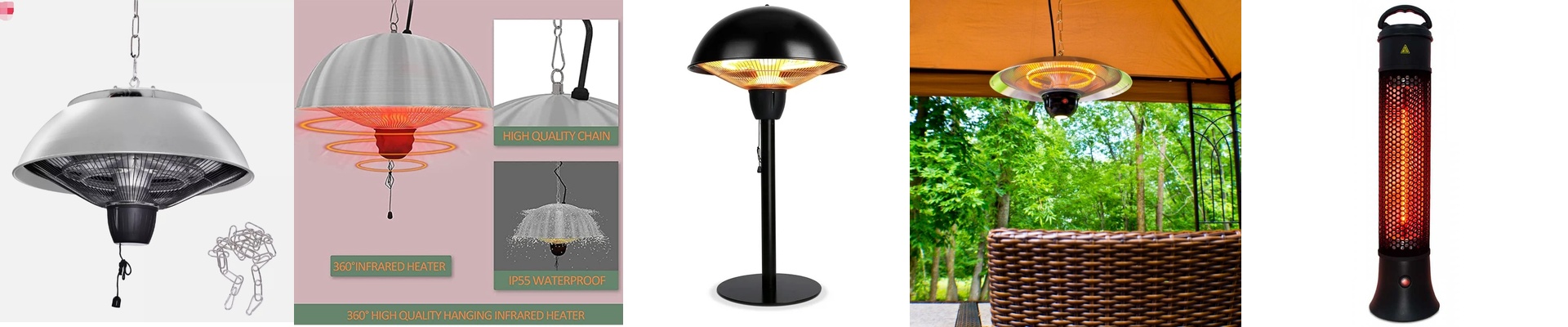
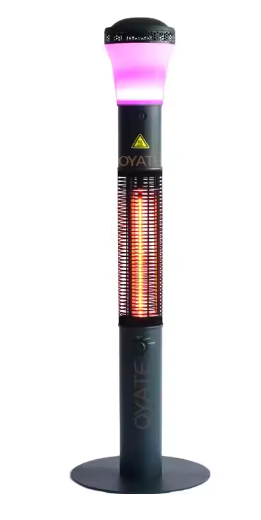
Here’s the thing about this bedroom heater: we built it as a serious, high-intensity infrared unit, and it runs on 400V. Why does that matter? Well, that voltage lets you run long tubular heaters without worrying about current spikes that would overload your wiring. The upside? It keeps the wires thinner and the control gear nice and simple. We packed a lot of heat into a small package. This isn’t some low-voltage, low-output lamp. It’s a direct-wire, line-voltage heater built for a tough, industrial-grade circuit.
Built to Last: Halogen, Quartz, and a Smart Base
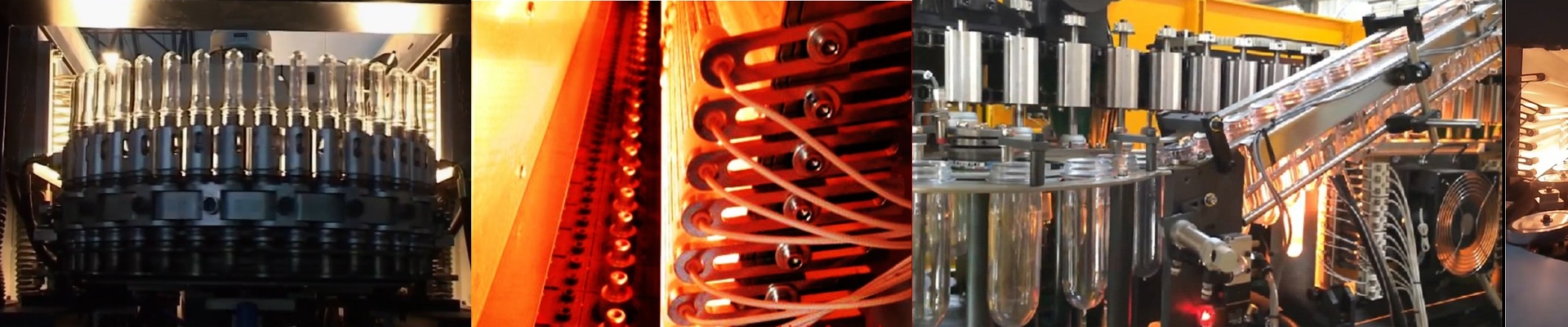
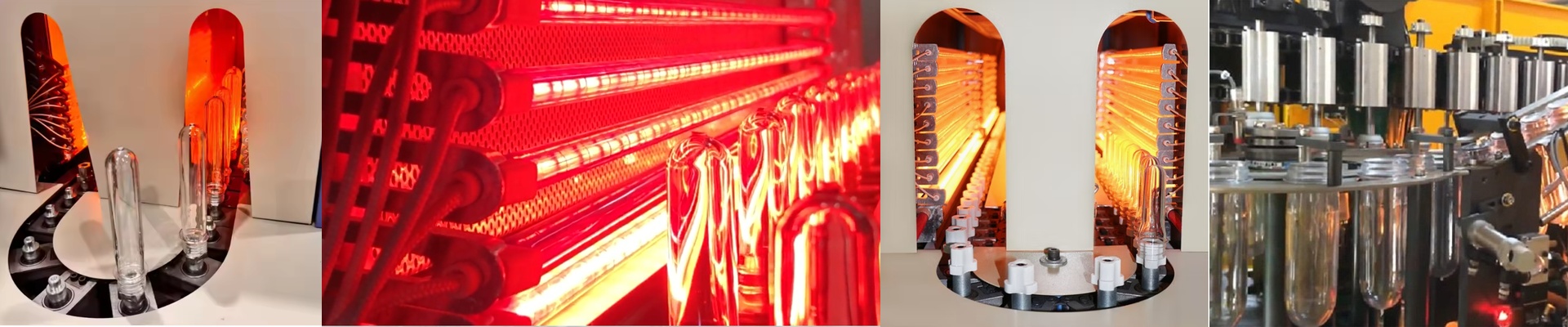
Inside, you’ve got a quartz tube filled with halogen. That halogen does some pretty clever work—it keeps the filament stable by recycling tungsten back onto the hot spot. The result? A longer life and consistent, reliable output. And because it’s shortwave infrared, you get warmth instantly. It’s focused heat, so you feel it right away without having to warm up the whole room. Then there’s the R7s connector. It’s a straight-through, two-pin ceramic base. It can handle extreme heat, resists arcing, and lets you wire the tube end-to-end in series. Installation becomes a clean, mechanical job. No messing around with fragile clips.
What It Feels Like to Use
When you’re building a bedroom heater, you want predictable power, fast warm-up, and a mounting setup you can trust. This delivers on all of that. The quartz tube can take the shock of rapid temperature changes, and the halogen cycle keeps everything running steady, day after day. Now, the one thing to keep in mind is heat management. Because the heat is so concentrated, you need to make sure you give it proper clearance and a well-ventilated enclosure. Get the spec right, and you end up with a heater that’s easy to assemble, keeps its output strong, and slides right into existing R7s fixtures with almost no rework.