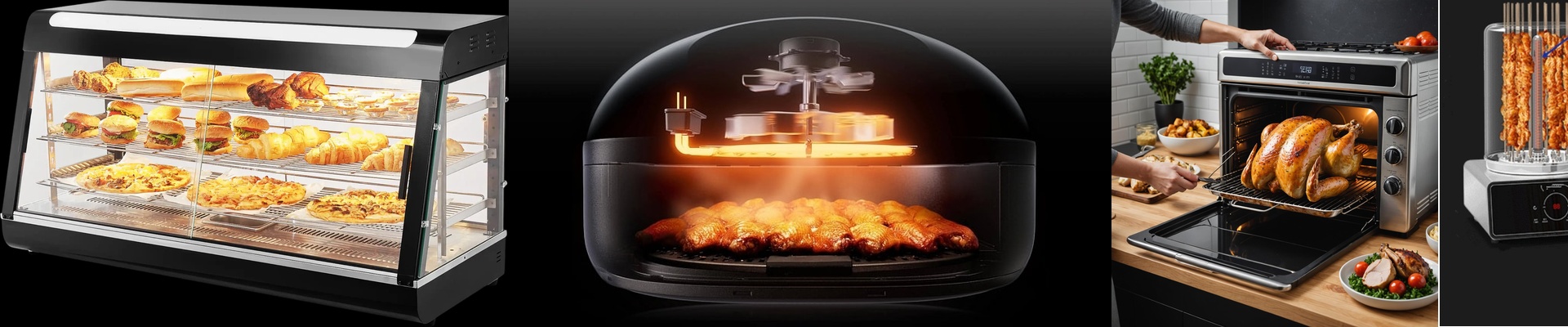
When the ticket board fills and the line won’t quit, an oven that hesitates is the bottleneck. In a busy bakery or a fast-service counter, slow warm-up and temperature drift steal minutes off every bake—and those minutes eat straight into your margin.
What matters under the hood
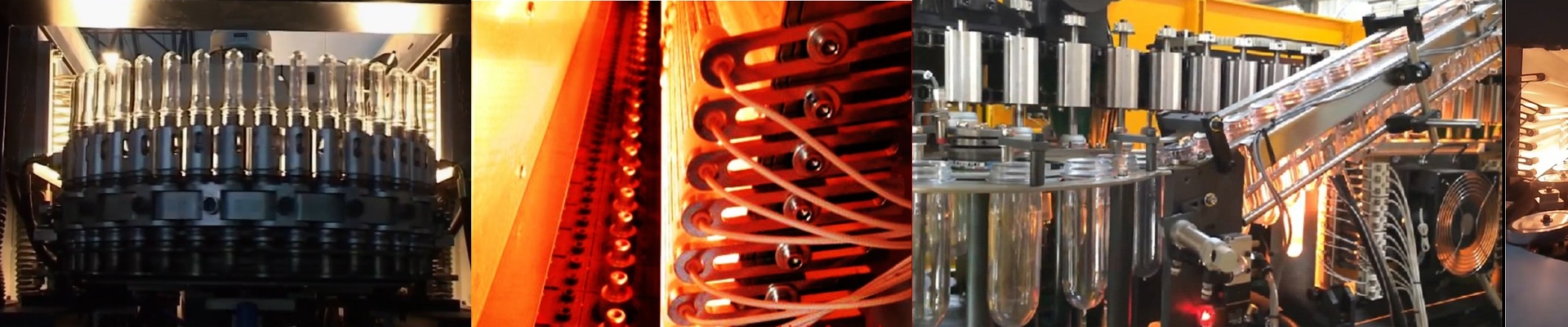
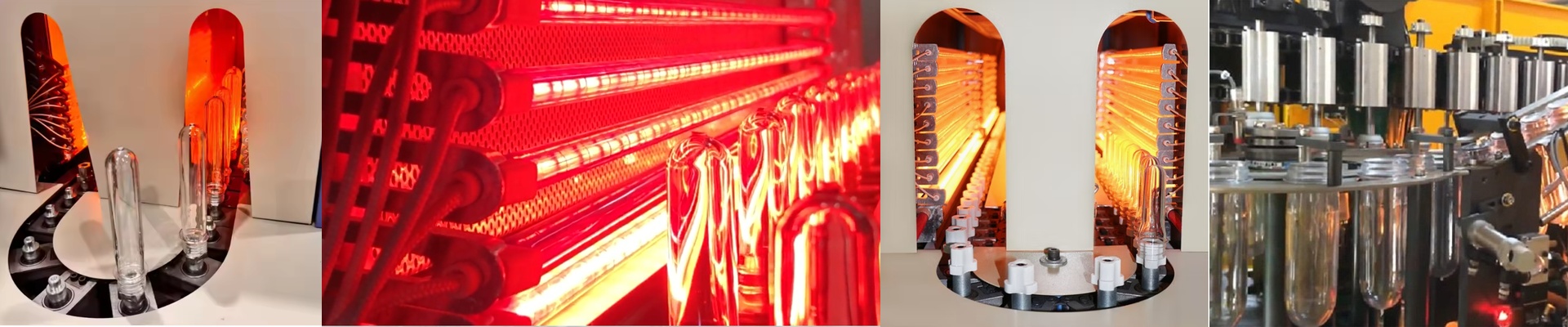
A toaster quartz tube element is short-wave infrared, so it throws heat right at the product, not the air. We’re talking full operating temperature in seconds, not minutes, which means fewer dead minutes at the start of service. Because the quartz tube keeps heat concentrated, the control response is tight. You can hold the set point without the swing that gives you pale tops and soggy bottoms. The specs are straightforward: common voltages, compact lengths, and standard terminals that fit many toaster and small deck oven configurations.
Why this works where the pressure hits
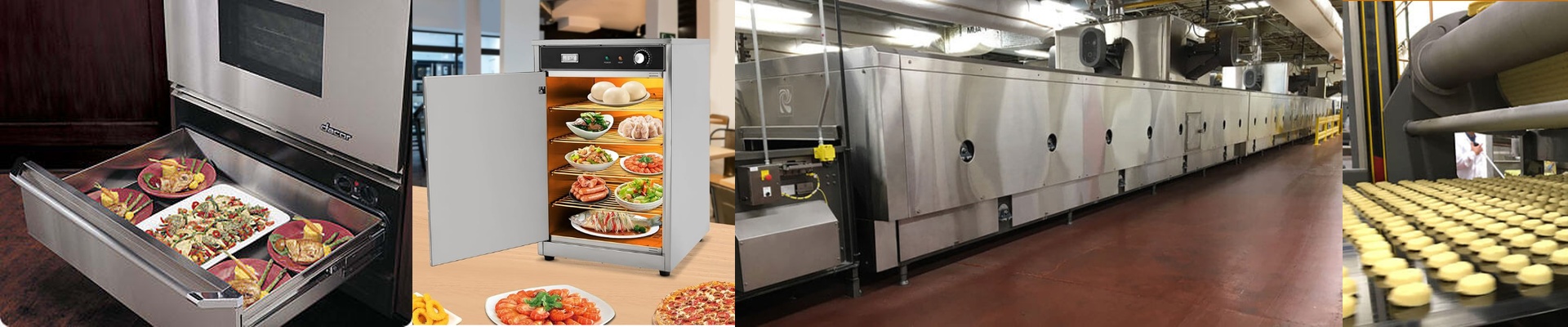
Fast heat-up means you can flip the deck on when the rush hits—not 20 minutes before—and still hit service temperature fast. Precision control keeps crust development consistent order after order, and shorter bake windows give you more cycles per hour. You also save energy because you’re not spending time heating empty steel and a lot of air. The upshot is more tickets per hour, less rework, and a product that stays on pattern.
The details that keep you out of trouble
Quartz tubes deliver speed, but they need a clean install and dry, shielded mounting points. Otherwise you’ll see hot spots and premature stress. Before you order, confirm your oven’s voltage, clearance, and terminal style. And keep the baking chamber clean—grease and crumb buildup reflect heat unevenly. Treat the element as a matched component in the system, not a simple swap-in part, and you’ll get the uptime and consistency you need when the board is full.